




What the New Research Reveals
A groundbreaking study by World Weather Attribution, a global research initiative, has concluded that human-caused climate change was a likely contributing factor in the catastrophic Nepal-Tibet flood disaster of August 2026. Researchers found that decades
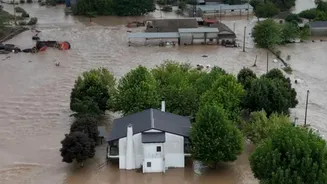
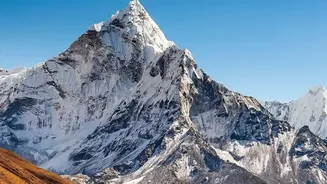
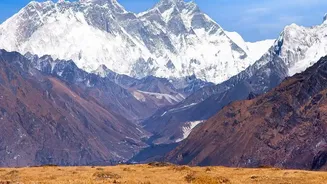
of atmospheric heating preconditioned the mountain environment for failure. The disaster began when a colossal section of rock and glacier ice, measuring around two square kilometres, broke off Langtang Lirung mountain. This triggered what scientists describe as a 'cascading disaster', a debris flood of ice, rock, and water that travelled 22 kilometres in just seven minutes, leaving downstream communities with virtually no time to react. The study emphasizes that while it wasn't a conventional weather event, the 'fingerprints of climate change' are clearly visible in the long-term environmental changes that made such a collapse possible.
The Science Behind the Deluge
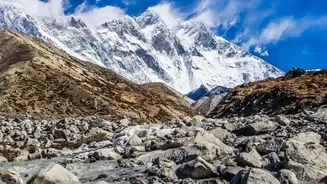
The study pinpoints several ways global warming weakened the mountain. Over decades, rising temperatures have thinned glaciers and thawed permafrost—the permanently frozen ground that acts like cement, holding steep rock walls together. With this natural glue weakened, the mountain's structural integrity was compromised. In the months leading up to the collapse, conditions were exceptionally warm, with July and August 2026 setting local temperature records. Researchers estimate human-caused climate change added about 1.5°C to these temperatures. This heat not only accelerates melting but also means more precipitation falls as rain instead of snow, even at high altitudes. This excess water seeps into rock fractures, further destabilizing the slopes. The 2015 Gorkha earthquake may have also created cracks, but the study firmly identifies long-term warming as a key destabilizing agent.
A Nation on the Frontline
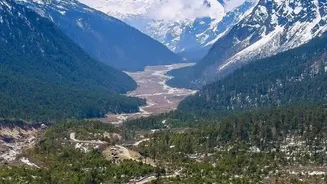
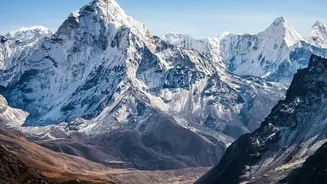
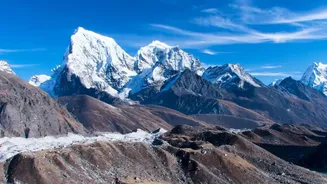
Nepal is uniquely vulnerable to these climate-driven hazards. Despite contributing less than 0.1% of global greenhouse gas emissions, its geography places it on the frontline of the climate crisis. The Himalayas are warming at a rate faster than the global average, accelerating the retreat of thousands of glaciers. This meltwater feeds a growing number of glacial lakes, which are often held back by unstable walls of rock and debris. A breach, like the one that occurred in this disaster, can lead to a Glacial Lake Outburst Flood (GLOF), a sudden and highly destructive event. This specific event was not a typical GLOF but a catastrophic slope failure, which experts say are becoming more common as the 'roof of the world' is destabilized by heat. Existing early warning systems, designed for slower-moving monsoon floods, proved insufficient against a disaster of this speed and scale.
The Ripple Effect Across the Region
What happens in the high Himalayas does not stay there. The mountain range is the source of major river systems—including the Indus, Ganges, and Brahmaputra—that provide water for over a billion people in South Asia. The destabilization of these mountains threatens water security, infrastructure, and lives far downstream, including in India. The increasing frequency of extreme rainfall events, which have tripled in parts of central India since 1950, is part of the same climate pattern affecting Nepal. As one expert from Imperial College London noted, communities are paying with their lives for a crisis driven by emissions from thousands of miles away. The disaster, which caused billions of dollars in damage, has prompted Nepal to seek compensation from the UN's Loss and Damage fund, arguing it is facing the consequences of a crisis it did not create.