



What Exactly Is the African Sour Fig?
Known scientifically as Carpobrotus edulis, the African Sour Fig is a creeping, mat-forming succulent native to the coastlines of South Africa. It's also called 'ice plant' or 'Hottentot fig'. The plant is recognised by its thick, fleshy, triangular leaves
and large, daisy-like yellow flowers that can fade to pink. It thrives in harsh coastal environments, growing on sand dunes and sea cliffs where few other plants can survive. The 'fig' in its name doesn't mean it's related to the common fig we know; the name comes from its fruit, which superficially resembles a small fig. This hardy plant has been a part of South African culture for centuries, valued for both its fruit and its leaves.
A Closer Look at Its Nutrition
The headline-making nutritional profile of the sour fig is what draws modern interest. The fruit is a good source of carbohydrates, providing energy. While not a primary protein source, it does contain some protein and, notably, has very little fat, making it a lean addition to a diet. The fruit is also a source of dietary fibre, which is crucial for good digestive health. Beyond the basics, sour figs contain beneficial antioxidants, Vitamin C, and important minerals. The leaves, which are also edible, are known for their high moisture content. Traditionally, both the fruit and leaves have been valued for more than just basic nutrition; they contain various bioactive compounds like flavonoids and tannins.
A Plant with Deep Cultural Roots
For centuries, indigenous communities in South Africa, particularly the Khoisan people, have used the sour fig extensively. It served as a vital part of their traditional medicine cabinet. The astringent juice from the leaves was used as an antiseptic for cleaning wounds and treating skin conditions like eczema and burns. It was also taken orally; a gargle of the juice could soothe a sore throat or mouth infection, while swallowing it was a remedy for digestive issues like diarrhoea. This long history of use highlights the plant's importance in the region, far beyond just being a source of food.
The Taste of the Coast
As the name suggests, the African Sour Fig has a distinctive flavour. The fruit is known for its sharp, sour, and somewhat salty taste, with an astringent quality, especially if not fully ripe. The texture of the ripe fruit's interior is pulpy and jelly-like, containing many small seeds. To eat it raw, people often bite off the bottom and suck out the seedy pulp. The leaves are also edible, offering a crunchy, salty, and sour flavour, and are sometimes sliced thinly into salads or used as a substitute for pickled cucumbers. The unique taste profile makes it a versatile ingredient, though its intensity means it's often used thoughtfully in recipes.
In the Modern Kitchen
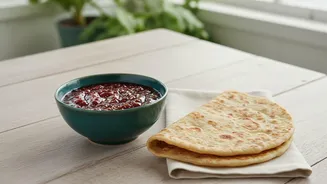
While you might not find it at your local market, the sour fig is used in various culinary applications in South Africa and by adventurous cooks elsewhere. Its most famous use is in making jams and chutneys. The fruit's natural tartness and pectin-like pulp cook down into a thick, flavourful preserve that pairs well with savoury dishes. The fruits have also been added to curries and even chilli recipes for a sweet and sour kick. The leaves can be pickled, providing a salty and sour crunch to meals. As awareness of unique global ingredients grows, the sour fig offers a fascinating example of a plant that is both a food and a flavouring agent.
A Note on Its Tenacity
An important aspect of the sour fig story is its incredible resilience. While this makes it a valuable plant for stabilising dunes in its native South Africa, it has also allowed it to become an invasive species in many other parts of the world, including coastal California, Australia, and parts of the Mediterranean. When introduced to new, similar climates, it can form dense mats that outcompete native plants for space, light, and water, sometimes altering the soil chemistry. This dual identity—as a culturally significant and useful plant in its homeland and a problematic invader elsewhere—adds a complex and important layer to its story.