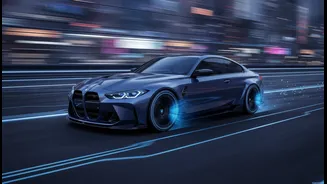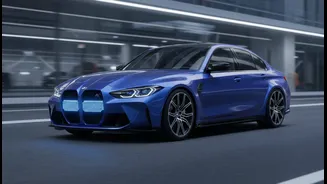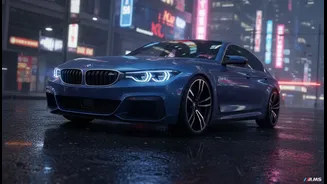




A Legacy Forged in Internal Combustion
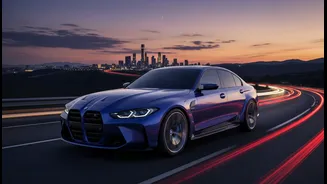
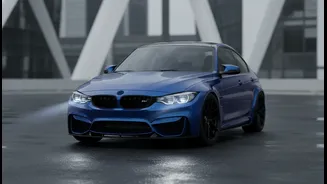
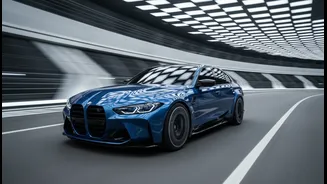
Since its debut in 1986, the BMW M3 has defined its segment. It wasn’t just about speed; it was about the symphony of a high-revving engine, the precision of its handling, and the direct connection between driver and machine. Across generations powered
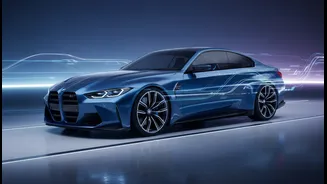
by four, six, and even eight-cylinder engines, the M3 became more than a car—it became a legend. This rich history, steeped in the visceral experience of internal combustion, is the heritage that BMW is now putting on the line. The transition to an all-electric powertrain isn’t just an engineering update; it’s a fundamental challenge to the car's very identity.
Enter the Neue Klasse Platform
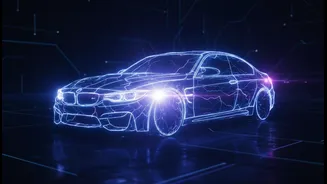
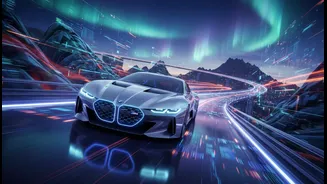
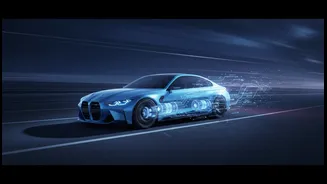
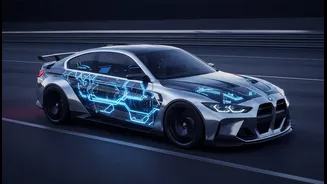
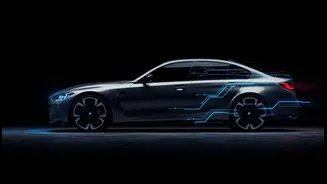
At the heart of this transformation is 'Neue Klasse' (New Class), BMW's ground-up, dedicated electric vehicle architecture. This isn't just about putting batteries in a traditional car frame. It's a complete rethinking of the automobile, designed for maximum flexibility. The platform features an advanced 800-volt system for ultra-fast charging and is built around a revolutionary new central computer. This brain, which BMW has dubbed the 'Heart of Joy,' consolidates control over the powertrain, braking, steering, and driving dynamics into a single, lightning-fast processor. It can process information up to ten times faster than current systems, allowing for a level of responsiveness and control previously unimaginable.
A Radical New Heart: The Quad-Motor M3
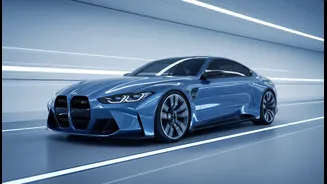
The 2027 M3 will leverage the Neue Klasse platform to its full potential, featuring four individual electric motors—one for each wheel. This setup enables unprecedented torque vectoring, allowing the 'Heart of Joy' computer to manage power and braking at each corner with millisecond precision. While BMW remains coy on final power figures, reports suggest a combined output that could approach a staggering 1,000 horsepower. However, BMW M's CEO, Frank van Meel, has been clear that the goal isn't just to win a numbers game. The real engineering challenge is sustained performance—ensuring the electric M3 can endure lap after lap on a racetrack without overheating, a common weakness in many high-performance EVs.
The Billion-Dollar Gamble
This radical reinvention is BMW's biggest gamble. The M3's loyal fanbase is comprised of purists who cherish the sound and feel of a combustion engine. The core question is whether an electric car, no matter how fast, can deliver the emotional connection M car owners expect. BMW executives acknowledge this is the main discussion point, far more than whether the car will be quick enough on a track. To address this, they are developing unique soundscapes and even simulated gear shifts to provide the auditory feedback and sense of control drivers are used to. It’s a delicate balancing act: innovate for the future without alienating the very customers who built the brand.
Hedging the Bet: Two M3s for One Future
Perhaps recognizing the scale of this gamble, BMW isn't going all-in just yet. Alongside the all-electric M3 set for a 2027 arrival, the company has confirmed that a successor to the gasoline-powered M3 is also in development and expected around 2028. This dual-pathway strategy allows the market to decide the future. It provides a safety net for the brand, ensuring traditionalists have an option while the new electric flagship proves its M-worthiness. M Division's leadership has been firm that there will be no hybrid halfway measure; instead, they will offer two distinct extremes of performance philosophy.