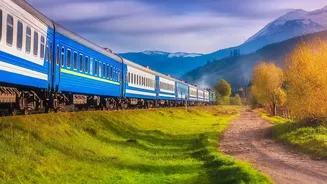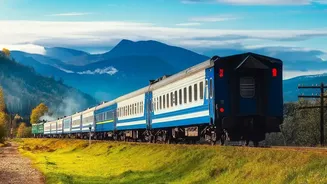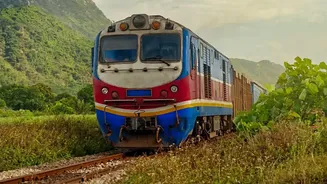



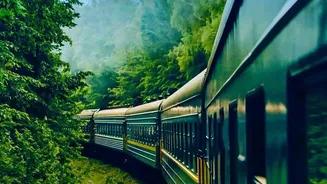
What Are These 'Weekly Special' Trains?
Across India's vast railway network, a noticeable trend is the increasing frequency of 'Weekly Special' trains. These are not a single, branded service but a category of trains introduced by various railway zones to manage passenger demand, particularly
during festive seasons or on high-traffic routes. Unlike regular mail or express trains with daily schedules, these services typically run once or twice a week on specific days. Recently, these specials have evolved from being purely for overflow traffic to becoming a viable travel choice in their own right, often featuring more modern coaches and better-defined schedules. They are being deployed to connect major commercial and cultural hubs, such as services between Hadapsar (Pune) and Nagpur, and Hyderabad and Mangaluru, providing new direct links that cater to both professionals and families.
The Middle Ground on Cost and Time
The primary appeal of these special services lies in their ability to strike a balance between the high cost of air travel and the often-lengthy journeys by road. For routes like Delhi to Varanasi or Ahmedabad to Tiruchirappalli, a flight can be prohibitively expensive, especially with last-minute booking. Buses, while budget-friendly, can be unreliable and take significantly longer. The weekly specials slot neatly in between. For instance, new sleeper versions of premium trains like the Vande Bharat are being planned, which aim to compete directly with overnight buses and justify a fare that is higher than a standard train but lower than a flight. This makes them an attractive option for travellers who value comfort and are willing to pay a modest premium for it without breaking the bank.
An Upgraded Onboard Experience
Many of these newer special services are being equipped with improved amenities that distinguish them from standard express trains. The coach compositions often include a higher ratio of air-conditioned classes, such as AC 3-Tier and AC 2-Tier, alongside sleeper class. Some premium services are even introducing features comparable to business class on airlines, including ergonomically designed berths, better lighting, and more spacious cabins. Indian Railways has been focusing on enhancing the passenger experience on its newer trains, with cleaner bio-toilets, mobile charging points, and sometimes even onboard infotainment systems becoming more common. This focus on a better travel environment is a direct attempt to win over passengers who might otherwise opt for a flight for comfort's sake.
Who Should Consider These Trains?
These weekly services are ideal for several types of travellers. They are perfect for planned trips, such as weekend getaways or heading home for festivals, where the travel days are fixed. Passengers who find the cramped conditions of long-distance buses taxing but are priced out of the airline market will find these trains to be a welcome alternative. Furthermore, they are a practical choice for journeys on routes where air connectivity is poor or indirect, saving travellers the hassle of multi-leg flights or a combination of train and bus journeys. By offering a predictable, comfortable, and reasonably priced service, these trains cater to a growing segment of middle-class India that prioritises value and convenience in their travel decisions.
How to Book and Plan Your Trip
Booking for these special trains is handled through the same channels as any other Indian Railways service. Tickets can be reserved via the official IRCTC website and app, as well as at computerised reservation counters. Since these trains are 'specials' and often announced to meet seasonal demand, it's wise to book in advance as they can fill up quickly. Passengers are encouraged to check the National Train Enquiry System (NTES) for detailed schedules, routes, and any potential timing revisions before their journey. The introduction of these services is often announced through press releases from the zonal railways, so keeping an eye on railway news can also provide a heads-up on new routes being launched.