






What is Sumac?
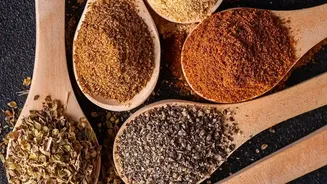
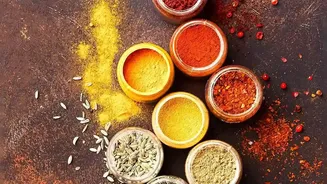
Sumac is a spice derived from the deep red berries of the Rhus coriaria shrub, which grows wild across the Mediterranean, Middle East, and parts of Asia. These berries are dried and ground into a coarse powder that boasts a brilliant, jewel-toned reddish-purple
hue. For centuries, it has been a cornerstone of Middle Eastern and Mediterranean cooking, cherished for its unique ability to add brightness to dishes. It’s important to distinguish this culinary delight from its distant relative, poison sumac, which produces white berries and is not edible. The sumac you find in the spice aisle is exclusively the flavourful, edible variety, ready to be sprinkled, rubbed, and mixed into your food.
A Burst of Tangy Flavour
The primary allure of sumac is its distinct taste: a bright, tart, and fruity flavour that is often compared to lemon. However, unlike lemon juice or vinegar, sumac provides acidity without adding moisture, making it incredibly versatile. This allows it to be used in dry rubs and spice blends where you want a citrusy zing without a watery consistency. The taste is not just sour; it has earthy undertones and a mild fruity sweetness that some compare to cranberry or cherry. For those familiar with Indian flavours, its tanginess is reminiscent of amchur (dried mango powder) but with a slightly different, berry-like complexity. This unique profile allows it to cut through richness, balance flavours, and add a refreshing lift to a wide array of dishes.
Bringing Sumac into the Indian Kitchen
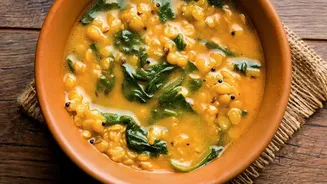
While a staple in dishes like Lebanese fattoush salad and Turkish kebabs, sumac’s flavour profile makes it a natural fit for the Indian palate. Its dry, tangy properties make it an excellent finishing spice. Think of sprinkling it over a bowl of dal, raita, or a simple cucumber and tomato salad for an instant pop of brightness. It can be stirred into yogurt-based marinades for chicken or paneer tikka, where it adds a tartness that complements the creamy base. You can also use it as a component in your own chaat masala blend or as a direct substitute for amchur in certain sabzis. Dusting it over fried eggs, roasted potatoes, or even a plate of hummus provides both beautiful colour and a zesty kick.
Flavour First, Not a Miracle Cure
Like many plant-based foods, sumac has been used in traditional medicine for centuries and is rich in antioxidants like flavonoids and tannins. Modern scientific interest has explored its potential effects, with some small studies suggesting possible benefits related to blood sugar management and reducing exercise-induced muscle pain. For example, one 3-month study involving 41 people with diabetes noted improvements in blood sugar and antioxidant levels with a daily 3-gram dose. However, it is crucial to approach these findings with caution. The research is still in its early stages, and much more evidence is needed to make definitive health claims. Spices like sumac can be a healthy part of a balanced diet, but they are not concentrated medicines or cures for diseases. Their primary role in the kitchen should be celebrated for what it is: a source of incredible flavour and culinary creativity.