


The Dazzling Dance of the Planets
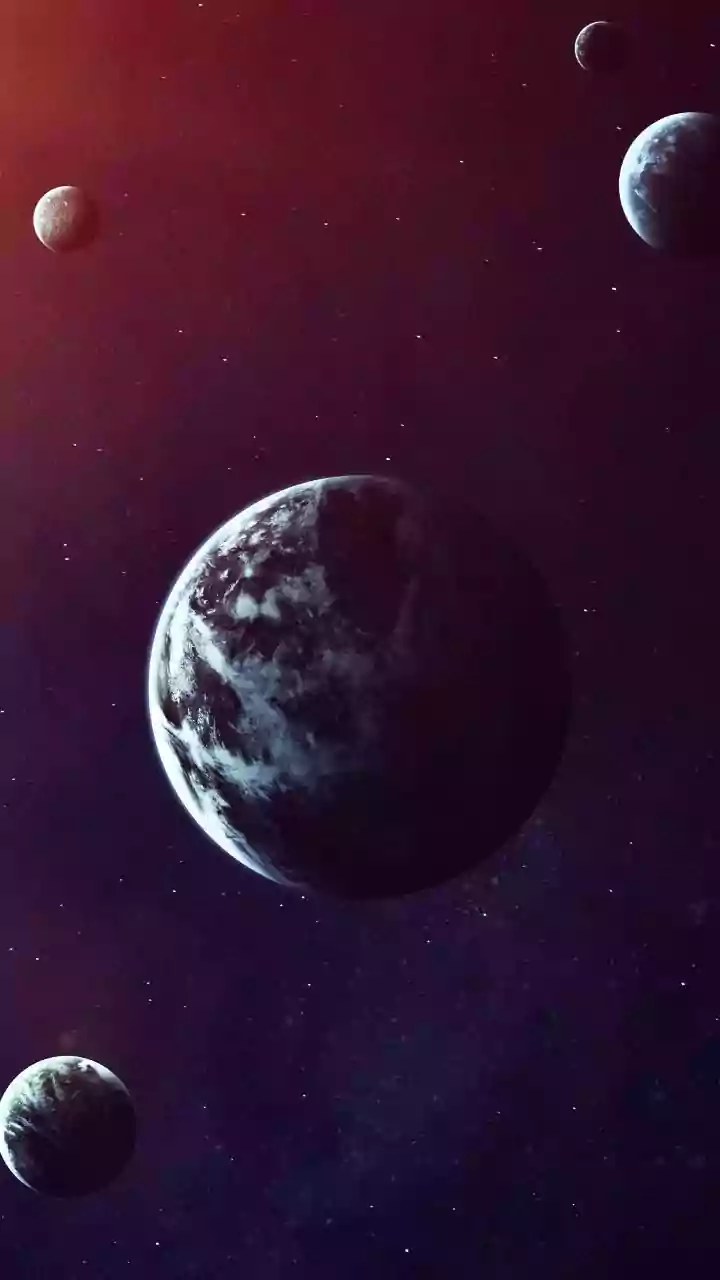
September is a fantastic month for planet-spotting. Venus will be a stunningly bright beacon in the western sky right after sunset, reaching its peak brightness for the year around September 22. It will be brighter than anything else in the night sky except
for the Moon. Meanwhile, Saturn rises in the east shortly after sunset and will be visible for most of the night. For the early risers, reddish Mars and brilliant Jupiter dominate the pre-dawn eastern sky. Jupiter, in particular, will be an unmissable, bright white light. On the morning of September 8, you can see a thin crescent Moon appear very close to Jupiter, making for a beautiful pairing.
The Arrival of the Harvest Moon
September's full moon, which peaks on Saturday, September 26, is famously known as the Harvest Moon. This name is given to the full moon that occurs closest to the autumnal equinox. It earned this title historically because its bright light, rising shortly after sunset for several consecutive nights, gave farmers extra hours of illumination to bring in their crops. While its peak illumination is during the day in North America, the Moon will appear full and brilliant on the nights of both September 26 and 27, creating a magnificent sight. Look for it in the east around sunset, where it will have a lovely orange glow as it climbs above the horizon. Saturn will be shining nearby, adding to the spectacle.
The Autumnal Equinox
While not a visual event in itself, the autumnal equinox is a significant celestial milestone. In 2026, it occurs on September 22 for those in the Americas, marking the official start of autumn in the Northern Hemisphere. On this day, the Sun crosses the celestial equator from north to south. It's the point in the year when day and night are of nearly equal length across the globe, a moment of cosmic balance before the nights begin to grow longer. This seasonal shift is a reminder of Earth's constant journey around the sun and brings with it cooler air and the changing colours of the season.
Catching the 'False Dawn'
For those willing to wake up early and find a truly dark sky, September offers the chance to see a rare and beautiful phenomenon: the zodiacal light. Often called the 'false dawn,' it appears as a faint, hazy pyramid of light extending up from the eastern horizon about 90 minutes before sunrise. This ethereal glow is caused by sunlight scattering off dust particles in our solar system. The weeks around the autumnal equinox are one of the best times of year for Northern Hemisphere observers to spot it. For the best chance of success, look for it on a moonless night, away from city lights. The period around the new moon on September 11 is an ideal time to try.
Spot the Great Square of Pegasus
As the seasons change, so do the constellations that dominate our night sky. In September, look to the east for the prominent constellation Pegasus. It's most easily identified by a large asterism known as the 'Great Square of Pegasus,' which is formed by four bright stars. As the month progresses, this celestial horse will climb higher into the sky, making it easier to spot. Nearby, you can also find the constellation Andromeda. Under very dark skies, the Andromeda Galaxy can even be spotted with the naked eye as a faint, fuzzy patch of light.