


A National Push for Safer Travel
While there isn't one single 'central list,' the Ministry of Tourism is actively championing a nationwide move towards making India safer for women tourists. Through various initiatives, the government is encouraging states to strengthen on-ground safety.
This includes deploying dedicated Tourist Police and promoting the use of the Nirbhaya Fund for projects specifically designed to improve the security of women travellers. This coordinated effort represents a significant 'central development' aimed at changing the safety landscape. The goal is to build a framework where women can explore India's vast beauty with peace of mind. Several states have already stepped up, creating a de facto list of destinations where safety is a clear priority.
What 'Safe' Actually Means on the Ground
But what makes a destination 'safe'? It's more than just low crime rates. The states earning a reputation for security are investing in tangible infrastructure. This includes deploying Tourist Police forces, as seen in Kerala, Goa, Sikkim, and Himachal Pradesh, among others. State-level policies, like Himachal Pradesh's proposed 'SheTravel Policy,' are taking it further with plans for safety audits, certified women-friendly accommodations, and even trained female 'SheGuard' marshals at tourist hubs. These measures create a visible and reliable support system, moving beyond advice and into active protection and assistance. The presence of a 24x7 multi-lingual tourist helpline also provides a crucial safety net for travellers in distress.
Kerala: God's Own Country, A Haven for Solo Women
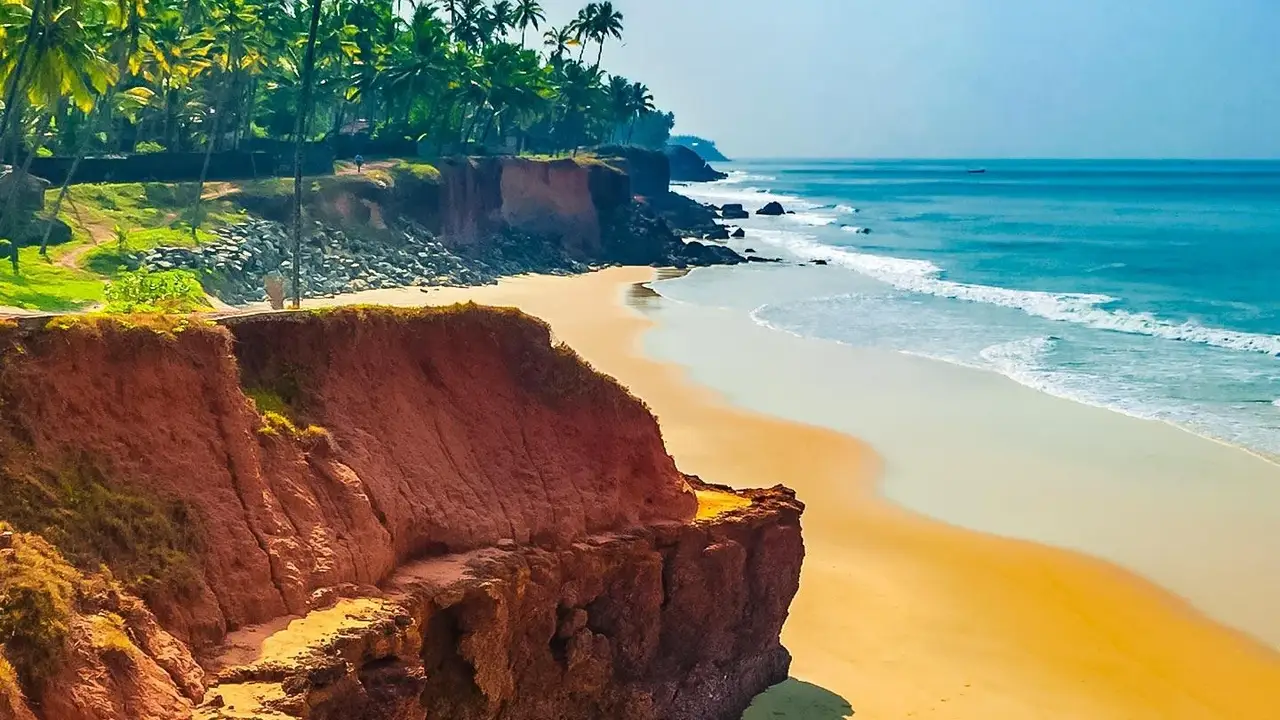
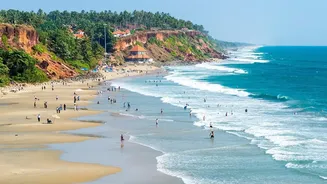
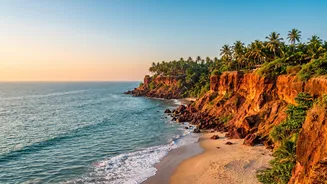
Kerala consistently ranks as one of the safest states for women travellers. Its high social indicators, well-developed tourism infrastructure, and respectful culture contribute to a welcoming environment. Whether you're cruising the serene backwaters of Alleppey, exploring the historic streets of Fort Kochi, or relaxing on the cliffs of Varkala, there's a sense of ease. The state's proactive tourism department and the presence of Tourist Police add an extra layer of security, allowing travellers to immerse themselves in the lush landscapes and rich traditions without constant worry.
Sikkim: Serenity in the Himalayas
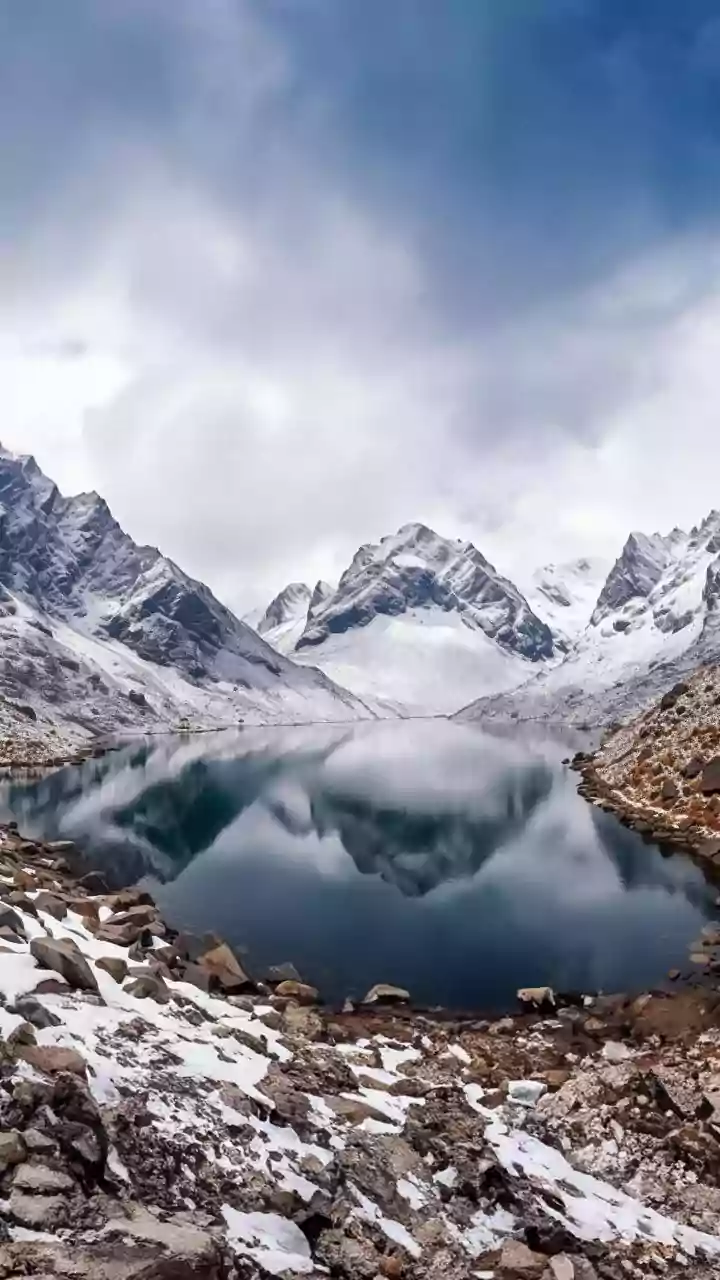
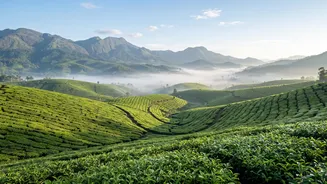
Nestled in the Eastern Himalayas, Sikkim is widely regarded as an exceptionally safe state for solo travellers. Its low population density, peaceful Buddhist culture, and pristine environment make it a top choice for women seeking mountain adventures. Exploring the monasteries of Gangtok, the stunning Tsomgo Lake, or the flower-filled valleys feels secure and welcoming. The locals are known for their hospitality, and the state's organised approach to tourism ensures a smooth and safe experience for all visitors.
Goa: Beyond the Parties, A Safe Coastal Retreat
While famous for its nightlife, Goa also offers a surprisingly safe and relaxed environment for solo women, especially in the off-season. The vibe in many parts of Goa is international, and seeing a woman exploring alone is commonplace. Popular tourist areas are regularly patrolled, and tourist assistance services are readily available. Beyond the bustling beaches of the north, the quieter shores of South Goa and the state's Portuguese-influenced inland villages provide peaceful and secure getaways. With standard precautions, Goa remains a comfortable and enjoyable destination.
Himachal Pradesh: Mountains Calling, with Safety in Mind
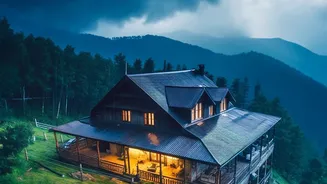
The mountains of Himachal Pradesh have long been a draw for solo travellers, and for good reason. The respectful culture of its hill communities contributes to a feeling of safety. Destinations like the Tirthan Valley are celebrated as oases of calm. The state is now doubling down on this reputation with its proposed SheTravel Policy, which aims to double the number of solo female visitors by 2028 by implementing safety audits, certified stays, and on-ground female marshals. This makes it a pioneering state in creating a structured, safe environment for women.