






A Kingdom Beyond Gir
For over a century, the story of the Asiatic lion has been intrinsically tied to one place: the Gir landscape in Gujarat. This exclusive home was a triumph of conservation, bringing the species back from the brink of extinction. However, with success
came a new challenge. The lion population, now estimated at over 890, has outgrown its traditional stronghold, making the establishment of a second, independent population a critical priority. Experts have long warned that concentrating the entire species in a single area leaves it vulnerable to threats like disease outbreaks or natural disasters. The search for a 'Plan B' habitat has been a long-standing goal of conservationists, making the recent developments in Barda a moment of profound significance.
The Pioneers of Barda
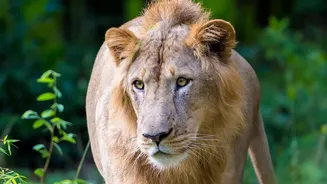
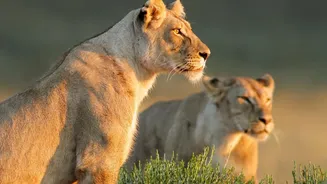
The recolonisation of Barda Wildlife Sanctuary, located about 100 kilometres from Gir, happened both naturally and through managed conservation efforts. The process began in January 2023 when a male lion naturally dispersed and settled in the sanctuary, a place lions had not inhabited since 1879. Seeing this as an opportunity, the Gujarat Forest Department subsequently introduced five females to help establish a breeding population. This pioneer group has thrived, and the population in Barda has grown to 17 individuals, including several cubs. This burgeoning pride represents the first real test of a viable second home for these majestic animals.
Science on the Prowl
To understand if Barda can truly sustain a lion population, scientists from the Gujarat Forest Department and Banda University of Agriculture and Technology have embarked on an intensive tracking project. Six of the adult lions—the original pioneer male and the five introduced females—have been fitted with radio collars. These devices provide a stream of invaluable data, generating over 169,000 GPS locations between January 2023 and July 2025. This allows researchers to monitor everything from their movement patterns and habitat preferences to their social structures and dietary habits. The goal is to build a detailed picture of how the lions are adapting to their new environment and what support they need to succeed.
Early Signs and Future Hurdles
The initial findings from the study, published in the journal PLOS One, are promising. The data shows the lions are actively using Barda's forests and grasslands, establishing distinct home ranges, and forming social bonds. Analysis of their diet reveals a heavy reliance on wild prey, particularly wild pigs. However, challenges remain. A key concern is the availability of a diverse and stable prey base. To address this, the forest department has been actively augmenting the sanctuary's prey population, translocating hundreds of chital (spotted deer) and sambar from Gir. Managing potential human-lion conflict as the population grows and ensuring the habitat remains connected to the larger lion corridor are also crucial for long-term success.
A Blueprint for Survival
The work being done in Barda is more than just an academic exercise; it is a critical investment in the future of an entire species. By closely tracking these pioneering lions, conservationists are gathering the essential knowledge needed to manage and scale this second home. The project serves as a buffer, reducing the risks of a single-location population, and provides a powerful blueprint for future conservation efforts. The success of Barda will not only secure a brighter future for the Asiatic lion but also reinforce India's position as a global leader in wildlife conservation. The lessons learned here will echo through conservation circles for decades to come, offering hope for endangered species everywhere.