





The Game-Changer on Rails
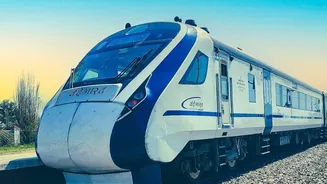
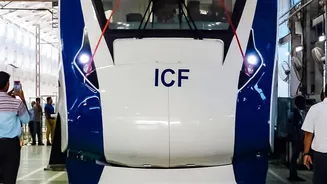
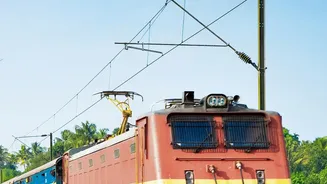
The existing Vande Bharat Express has already revolutionized travel between New Delhi and Varanasi, cutting the journey to about eight hours, a significant improvement on older services. This semi-high-speed train, designed and built in India, brought
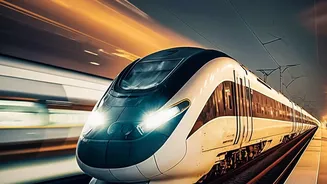
modern amenities and faster speeds to a key route, quickly becoming a popular choice for travellers. Now, the next leap forward is on the horizon. As part of a major infrastructure push, a new high-speed rail corridor has been announced that promises to slash the Delhi-Varanasi travel time to just under four hours. This proposed 'bullet train' project would more than halve the current fastest journey, transforming a full day of travel into a quick morning or afternoon dash.
From Overnight Haul to Day Trip
An eight-hour train ride means a significant portion of a weekend is spent in transit. A proposed sub-four-hour journey changes the entire equation. Suddenly, leaving Delhi on a Saturday morning and arriving in Varanasi with most of the day ahead becomes a reality. This time saving redefines what is possible for a short break. It means less fatigue and more time for exploring, dining, and soaking in the city's unique atmosphere. The shorter travel time turns Varanasi from a destination requiring a long weekend into a viable, spontaneous two-day escape, encouraging more frequent visits and boosting the region's tourism economy.
Your New 36-Hour Varanasi Itinerary
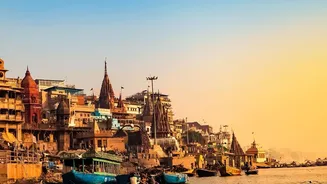
With a faster train, a whirlwind weekend becomes refreshingly manageable. Imagine arriving Saturday morning, checking into a hotel near the ghats, and heading out for a classic Banarasi breakfast of kachori and jalebi. The afternoon could be spent on a short excursion to Sarnath, the tranquil park where the Buddha gave his first sermon. As evening falls, you can witness the spectacular Ganga Aarti ceremony at Dashashwamedh Ghat, a truly unforgettable experience. Sunday can begin with a serene sunrise boat ride on the Ganges, observing the city's ancient rituals come to life. Afterwards, navigate the labyrinthine alleys to visit the revered Kashi Vishwanath Temple, now more accessible via its new corridor. After a leisurely lunch and some last-minute souvenir shopping for Banarasi silks, you could comfortably catch an afternoon train back to Delhi, arriving home in the evening.
More Than Just Speed
The impact of a high-speed link extends far beyond weekend tourism. For centuries, Varanasi has been a major hub for pilgrims from across India. Faster, more reliable connectivity makes these sacred journeys easier and more accessible for everyone. Furthermore, the project is an economic catalyst. Improved infrastructure stimulates investment, creates jobs, and better connects smaller towns along the corridor with major economic centres like Delhi. By integrating with airports and other transport networks, such corridors create powerful multi-modal hubs that drive regional development and make business travel more efficient. This project is not just about moving people faster; it's about building economic bridges and unlocking new opportunities.
What to Know Before You Plan
While the existing Vande Bharat trains offer a comfortable and relatively fast journey today, the high-speed bullet train is still a proposed project. Announced in the Union Budget 2026-27, the corridor is part of a long-term vision for India's railway network, and construction will take several years. For now, travelers can enjoy the current Vande Bharat services, which feature amenities like reclining seats, onboard Wi-Fi, and GPS-based information systems. Booking in advance is highly recommended, as these trains often see high occupancy rates, particularly due to the rise in religious tourism. As the high-speed project develops, it will be one to watch for anyone dreaming of making that weekend trip to India's spiritual capital a regular escape.