





The Anatomy of a Glacial Flood
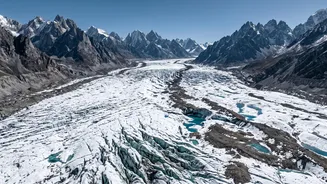
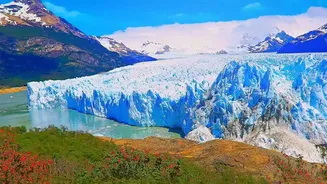
The primary danger comes from a phenomenon known as a Glacial Lake Outburst Flood, or GLOF. As glaciers melt at an accelerated rate, they form vast lakes, often dammed only by loose rock and debris known as moraine. These natural dams can be incredibly
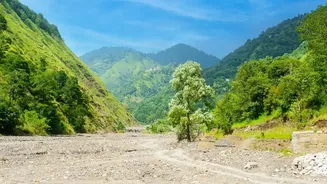
fragile. When they fail—triggered by an avalanche, an earthquake, or simply the pressure of the ever-growing lake—they can release millions of cubic metres of water in a catastrophic torrent. These are not ordinary floods; they are terrifyingly powerful, carrying a slurry of water, ice, rock, and mud that can travel dozens of kilometres, destroying everything in its path, from villages and roads to critical hydropower plants.
A Crisis Accelerated by Climate Change
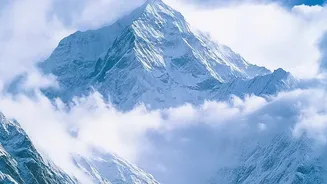
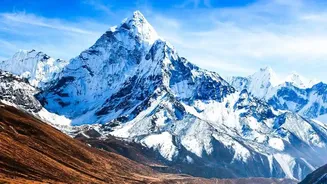
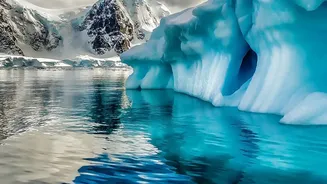
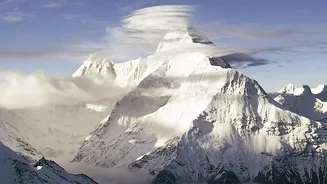
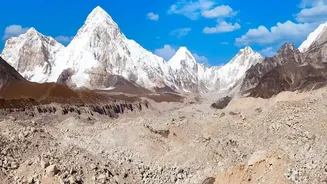
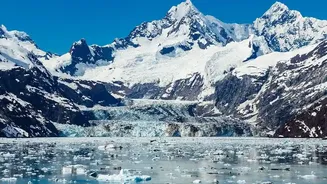
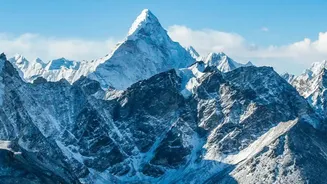
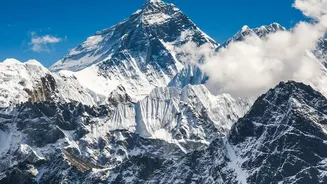
The science is clear: the Himalayan cryosphere—the world of frozen water—is melting at a frightening pace. According to the International Centre for Integrated Mountain Development (ICIMOD), glaciers in the Hindu Kush Himalaya region have been melting 65% faster since 2010 than in the previous decade. Some reports indicate that the rate of ice loss has doubled since the year 2000. This rapid thaw is creating new glacial lakes and causing existing ones to expand, dramatically increasing the frequency and potential severity of GLOFs. The recent, devastating flood in Nepal's Rasuwa district in August 2026, which started with a massive collapse of ice and rock, serves as a tragic example of these new, complex, and cascading disasters.
Nepal's Vulnerable Hotspots
Nepal is home to over 2,000 glacial lakes. A joint assessment by ICIMOD and the UNDP identified 47 potentially dangerous glacial lakes across the wider region, with 21 located within Nepal's borders. These high-risk lakes, found in the Koshi, Gandaki, and Karnali river basins, threaten countless communities living downstream. The August 2026 flood along the Bhote Koshi-Trishuli river system, where water levels rose by an astonishing nine metres in just 30 minutes, highlighted the extreme vulnerability of these areas. The disaster claimed over a thousand lives and left thousands more missing, wiping out homes, bridges, and a vital trade route with China.
A Shared Threat for the Entire Region
This is not just Nepal's problem. The Himalayas feed ten major river systems that sustain nearly two billion people across Asia. Many of Nepal's major rivers, including the Kosi, Gandaki (known as the Gandak in India), and Karnali (Ghaghra in India), flow directly into India. A major GLOF event in Nepal can, and does, have severe trans-boundary consequences, particularly for the Indian states of Bihar and Uttar Pradesh. The Kosi river is already infamous as the 'Sorrow of Bihar' for its history of devastating floods. Experts warn that the increasing instability in the high mountains of Nepal serves as a direct warning for India, where an estimated 900 glaciers could also be precariously positioned. The 2021 Chamoli disaster in Uttarakhand, which involved a similar ice-rock cascade, was a stark reminder of this shared vulnerability.
A Race Against the Deluge
In response, Nepal is taking action, but the scale of the challenge is immense. With support from international partners like the Green Climate Fund and UNDP, projects are underway to lower the water levels in four high-risk glacial lakes, including Lumding Tsho and Lower Barun. However, with dozens of dangerous lakes identified and new ones forming continuously, these efforts are often described as insufficient. Experts stress the urgent need for more comprehensive monitoring, better cross-border data sharing between Nepal, China, and India, and the widespread implementation of community-based early warning systems that can provide precious minutes for evacuation when a disaster begins to unfold.