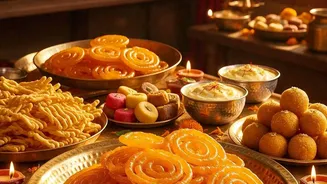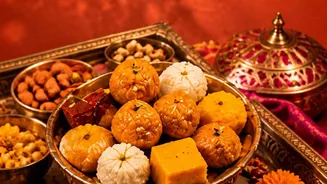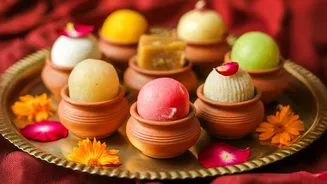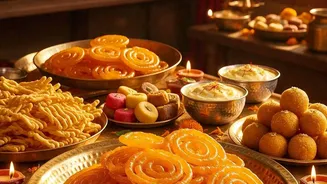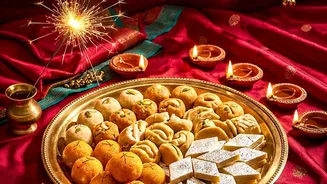

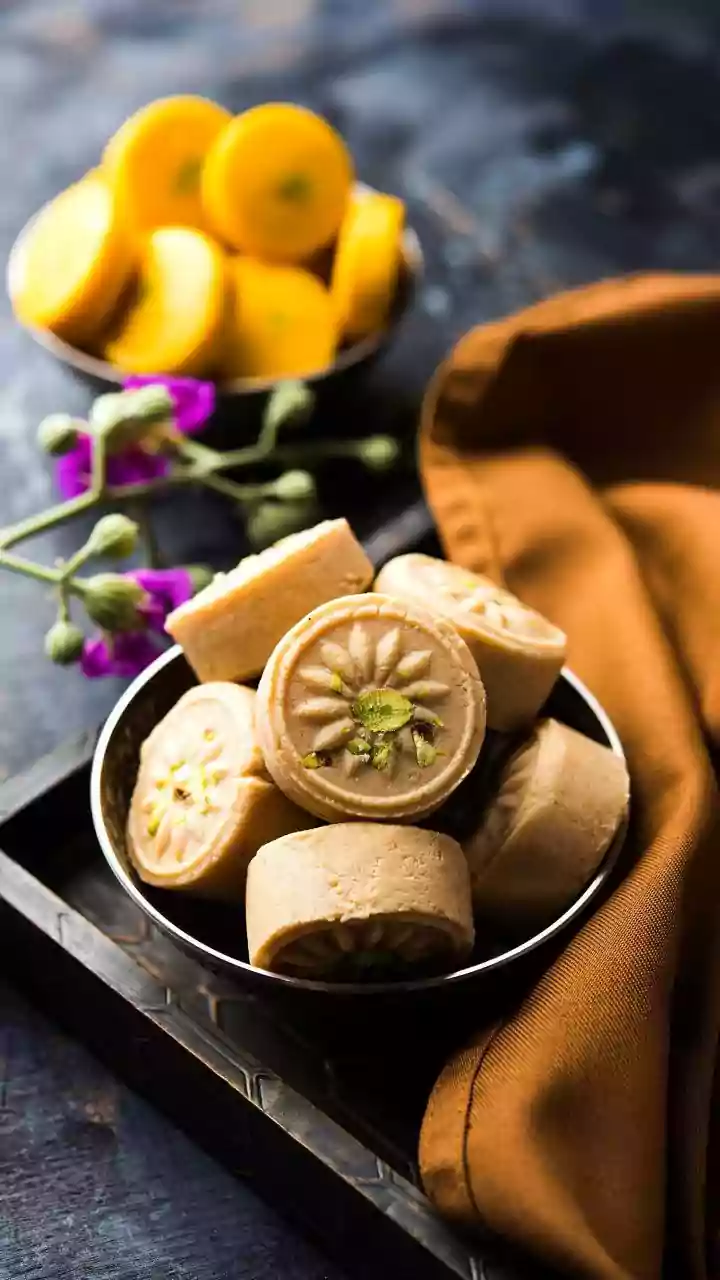
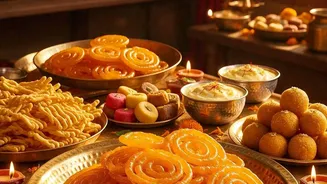
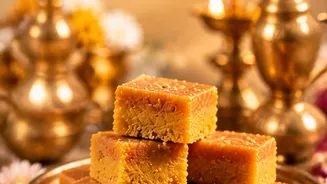
The festival lights have dimmed, but the mountain of mithai remains. Before you get creative with those leftover sweets, it’s crucial to know what’s safe to eat. Here’s your guide to checking, storing, and transforming your Diwali treats.
The First Check: A Freshness Audit
Before any mithai
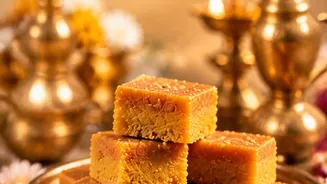
gets a second life, it needs a thorough inspection. Your senses are the first line of defence. Start with a smell test; any sour, stale, or unusual odour is a clear red flag, especially for milk-based sweets like barfi or peda. Next, check the appearance. Look for any visible mould, a slimy surface, or significant discolouration. An overly hard, dry, or rubbery texture can also indicate that the sweet is past its prime. A fresh, pure mithai should have a pleasant aroma of ghee, nuts, or milk and a uniform texture. Sweets with a high milk or khoya content, such as kalakand and milk cake, have the shortest shelf life and need the most careful assessment. They can spoil in just a few days, even when refrigerated. Ghee and nut-based sweets like kaju katli or besan ladoo tend to last longer.
Smart Storage to Extend Shelf Life
Proper storage is key to preserving freshness. The first rule is to let any freshly made or warmed sweets cool completely before storing them. Trapping steam creates moisture, which is the primary cause of spoilage. Always use clean, dry, and airtight containers. It's best to store different types of mithai separately to prevent flavours from mixing and to stop moisture from a syrupy sweet like gulab jamun from making a dry one like a ladoo soggy. For delicate sweets like barfi, placing butter paper between layers prevents them from sticking together. As a general rule, milk-based and chhena sweets (rasgulla, sandesh) must be refrigerated and consumed within two to four days. Drier sweets made with ghee, nuts, or flour can often be stored at room temperature in a cool, dark place for a week or more. For longer storage, many sweets like ladoos and barfis can be frozen for up to a month if wrapped individually.
When in Doubt, Throw It Out
While repurposing food is a great way to reduce waste, safety must always come first. Certain sweets carry a higher risk and should be discarded if you have any doubts. Milk-based sweets left at room temperature for more than a few hours can become a breeding ground for bacteria. Telltale signs of spoilage include a sour taste, a slimy feel, or a frothy appearance in the syrup of sweets like rasgulla. It's important to remember that some harmful bacteria don't produce any obvious change in smell or appearance. Reheating can kill bacteria, but it often won't destroy the heat-resistant toxins they may have already produced, which can still cause food poisoning. Therefore, if a mithai has been sitting out for a long time or if you're unsure of its history—especially if it's a milk-based sweet—the safest choice is to discard it.
Creative Kitchen Transformations
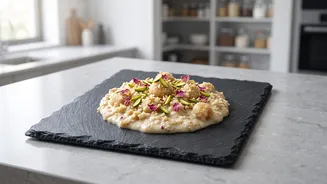
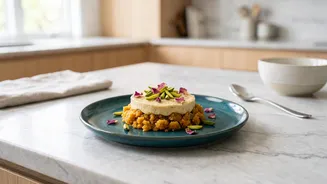
Once you've confirmed your mithai is fresh and safe, it's time for the fun part. Leftover sweets can be transformed into entirely new desserts with minimal effort. Crumble motichoor or besan ladoos and mix them into kheer for added texture and flavour, or use them as a base for truffles. Barfis, especially kaju katli or pista barfi, make an excellent crust for a no-bake cheesecake; just crumble them with a little butter and press into a jar or tart pan. You can also blend leftover mithai with milk and a scoop of ice cream to create a rich, indulgent milkshake. Even syrupy sweets can be repurposed. Sliced gulab jamuns can be layered with cream and a coffee decoction for a unique take on tiramisu. The key is to balance the sweetness of the mithai with other ingredients to create a new and exciting treat.