

What Happened Onboard Flight AI-376?
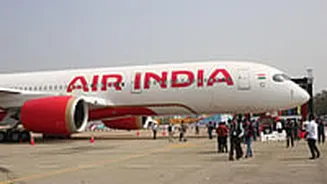
On August 4, 2026, passengers aboard Air India's Airbus A320neo flight from Phuket were jolted from their journey when the aircraft encountered a pocket of severe turbulence. The flight, carrying 137 passengers and eight crew members, experienced a sudden
and sharp drop in altitude of about 300 feet. Eyewitness accounts describe a terrifying scene where the plane shook violently for what felt like several minutes, with some passengers who were not wearing seatbelts being thrown against the cabin ceiling. Despite the chaos and the momentary loss of control, the pilots managed to stabilize the aircraft and continued the flight. The plane landed safely at Delhi's Indira Gandhi International Airport, but not without leaving a trail of shaken travellers and visible damage to the cabin's interior panels.
The Aftermath: Injuries and Immediate Response
Upon landing in Delhi, emergency medical teams were on standby to assist the injured. In total, 17 people—13 passengers and four cabin crew members—sustained injuries ranging from minor to more serious, including spinal and neck injuries among the crew. The injured were initially treated at the airport's medical facility before being transferred to nearby hospitals for further evaluation. Civil Aviation Minister Ram Mohan Naidu visited the hospitalized crew members, praising their bravery for continuing to assist passengers for the remaining hour of the flight despite their own injuries. Air India stated that it was providing all necessary support to those affected. While all injured passengers were discharged after treatment, some crew members remained under medical observation.
Why the DGCA Is Investigating
Whenever an aviation incident involves significant turbulence resulting in injuries or potential aircraft damage, India's aviation regulator, the Directorate General of Civil Aviation (DGCA), launches a formal investigation. This is a standard procedure designed to maintain and enhance flight safety standards. The DGCA's primary goal is to determine the precise cause of the incident. Investigators will analyze whether the event was caused by atmospheric conditions, such as unpredictable Clear Air Turbulence (CAT), a potential technical fault with the aircraft, or a combination of factors. The aircraft was immediately secured in a separate hangar upon landing, and its crucial 'black boxes'—the Flight Data Recorder (FDR) and Cockpit Voice Recorder (CVR)—were taken into DGCA custody. These devices will provide a detailed account of the flight's parameters, pilot inputs, and cockpit conversations leading up to and during the turbulence.
Understanding Air Turbulence
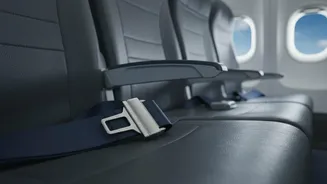
Turbulence is essentially irregular air movement in the atmosphere that can cause a bumpy ride. While it can be unsettling, it is a normal part of flying. It can be caused by various factors, including weather fronts, thunderstorms, winds moving over mountains, or even the wake from another aircraft. The incident on the Air India flight is suspected to be a case of Clear Air Turbulence (CAT), which is particularly challenging because it occurs in cloudless skies and is invisible to weather radar, making it difficult for pilots to anticipate. Pilots are extensively trained to handle such events, and modern aircraft are built to withstand even severe turbulence. Aviation experts consistently advise passengers to keep their seatbelts fastened whenever seated, even if the seatbelt sign is off, as this is the most effective way to prevent injury during unexpected turbulence.
Next Steps and Broader Implications
The DGCA's investigation will be thorough, and its findings will be made public once all the facts are established. Air India has stated it is fully cooperating with the authorities. Depending on the outcome, the investigation could lead to revised operational procedures for airlines or new recommendations for flight crews when flying through areas known for atmospheric instability. For passengers, this incident serves as a stark reminder of the unpredictable nature of air travel, but it also highlights the robustness of the safety systems in place. The response from the crew, the safe landing of the aircraft, and the immediate launch of a regulatory investigation all demonstrate the protocols designed to protect flyers. Such probes are crucial for learning from incidents and continuously reinforcing the safety of India's skies.