


More Than Just Retro Fun
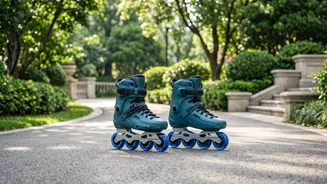
Once a beloved pastime of the 70s and 80s, roller skating has re-emerged as a legitimate and joyful way to stay active. It’s an activity that blends fitness with genuine fun, appealing to people looking for an escape from monotonous gym routines. The
beauty of skating lies in its ability to transform exercise into a playful experience, whether you're gliding through a park or dancing under the lights of a roller rink. But beneath the surface of this enjoyable activity is a complex physical discipline that demands a high degree of skill, starting with balance and coordination.
The Science of Staying Upright
The primary challenge in roller skating is maintaining balance on an unstable platform. This is where coordination takes centre stage. The act of gliding on wheels constantly forces your body to make micro-adjustments to stay upright, engaging your neuromuscular system in a way few other exercises can. This process enhances your proprioception—your body's innate ability to sense its position, movement, and orientation in space. As you learn to control your movements, from simple strides to turns and stops, you are essentially training your brain and muscles to communicate more effectively. This refined sense of balance and coordination can translate to better stability and fewer injuries in all aspects of your life.
A Full-Body Engagement
While it might look like it’s all in the legs, roller skating provides a comprehensive, full-body workout. To maintain your balance, you must constantly engage your core, including your abdominal and lower back muscles. These muscles act as the stabilizing center from which all other movements originate. Meanwhile, your legs and glutes get a serious workout. Each push-off engages the quadriceps, hamstrings, calves, and especially the gluteal muscles. Because the push in skating is not just backward but also to the side, it specifically targets hip abductors and the gluteus medius, muscles often neglected in traditional workouts like running or cycling.
The Cardio and Calorie-Burn Component
Roller skating is recognized by the American Heart Association as an excellent form of aerobic exercise. A steady, moderate pace can elevate your heart rate to between 140 and 160 beats per minute. Depending on the intensity, an hour of skating can burn anywhere from 300 to 600 calories, making it comparable to jogging or cycling in terms of cardiovascular benefits. The key difference is the impact. The smooth, gliding motion of skating places significantly less stress on your joints—specifically your knees, hips, and ankles—than high-impact activities like running. One study found that skating causes less than half the impact shock to joints compared to running, making it a fantastic, sustainable option for long-term fitness.
Mind and Body in Motion
The benefits of roller skating extend beyond the physical. The level of focus required to balance and navigate helps promote a state of mindfulness, pulling your attention away from daily stressors and into the present moment. This rhythmic, flowing movement can be meditative, helping to reduce anxiety and clear your head. Furthermore, physical activity like skating releases endorphins, the body's natural mood-boosting chemicals, which can alleviate symptoms of stress and even depression. The sense of accomplishment that comes from mastering a new skill also builds confidence that carries over into other areas of life.
Getting Started on Eight Wheels
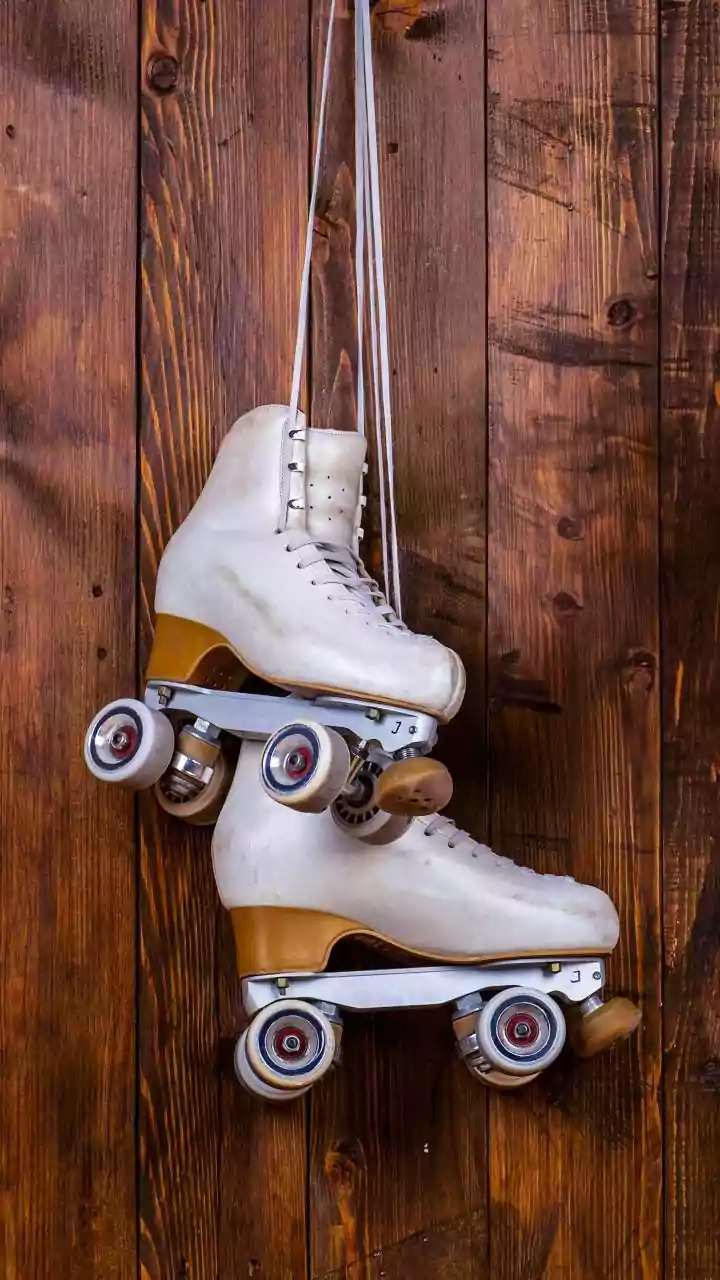
If you're ready to give it a try, starting safely is key. First, invest in properly fitting skates and essential protective gear, including a helmet, wrist guards, and knee pads. Beginners often find quad skates more stable than inlines. Find a smooth, flat, and obstacle-free surface to practice, like an empty car park, a basketball court, or an indoor roller rink. Begin by adopting the basic skater's stance: bend your knees, keep your feet shoulder-width apart, and lean slightly forward, using your arms for balance. Start with small movements like marching in place before progressing to slow glides. Don't be afraid to fall—it's part of the learning process. With a little patience, you'll be rolling with confidence in no time.