


The Roots of Vastu in Home Greenery
Vastu Shastra is an ancient Indian science of architecture and design, a traditional guide to creating spaces that are in harmony with the natural world. At its core, Vastu is about balancing the five elements—earth, water, fire, air, and space—to enhance
the flow of positive energy. Plants play a crucial role in this philosophy. They are seen not just as decorative objects, but as living beings that can purify the atmosphere, absorb negative vibrations, and attract positive energies like health, wealth, and happiness. Each plant and its placement is believed to influence the home's energetic blueprint, turning a simple house into a sanctuary of well-being. This tradition offers a thoughtful way to connect our indoor spaces with the rhythms of nature.
Positive Energy or Just Good Vibes?
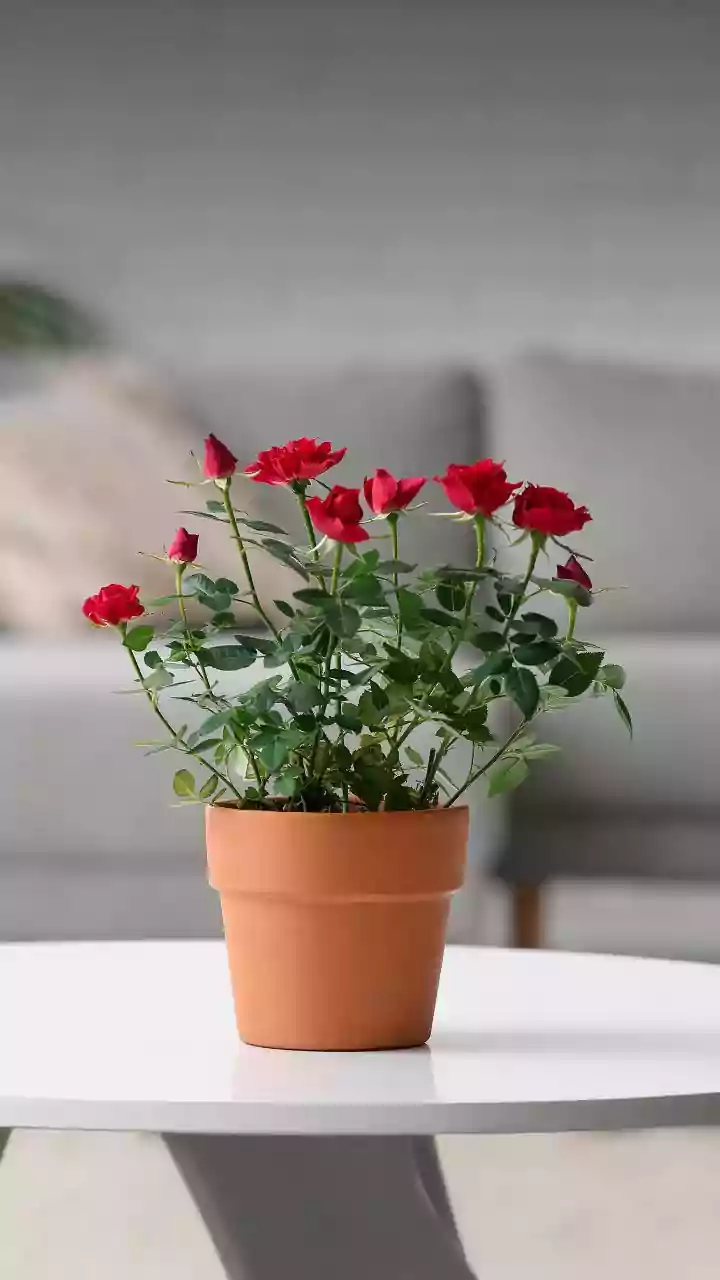
Vastu experts suggest that specific plants, when placed in the correct direction, can do everything from mend relationships to boost your career. The Money Plant, for example, is said to attract wealth when placed in the southeast, while Holy Basil (Tulsi) in the northeast is believed to foster spiritual well-being. While there is no scientific evidence to support claims of plants attracting specific fortunes, there is a clear psychological benefit. The practice of mindfully selecting and caring for plants creates a sense of purpose and connection. This concept is similar to biophilia—humanity's innate tendency to connect with nature. Surrounding ourselves with greenery is proven to reduce stress, boost mood, and increase feelings of calmness. So, while a plant may not directly deposit money into your bank account, the positive feelings it inspires are very real.
Decoding Popular Vastu Plants
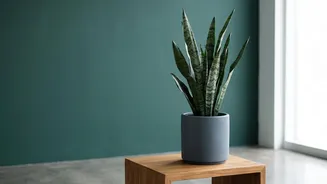
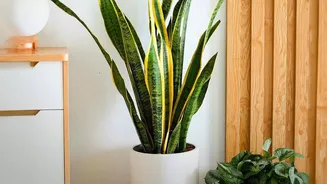
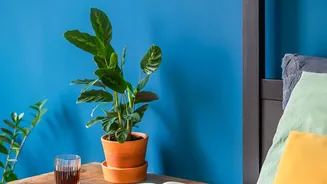
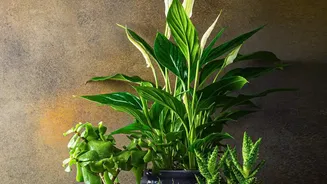
Many plants recommended by Vastu are celebrated for very specific benefits. Let's look at a few popular examples: The Money Plant (Epipremnum aureum), is perhaps the most famous Vastu plant, believed to attract wealth and prosperity. Science doesn't back the wealth claim, but it is an excellent air purifier that removes toxins like formaldehyde from the air and is incredibly easy to grow. Lucky Bamboo (Dracaena sanderiana) is another staple, said to bring good fortune, health, and growth. Scientifically, it is a hardy, low-maintenance plant that adds a unique structural element to decor and thrives indoors. Holy Basil (Tulsi) is revered in Indian culture and Vastu for its sacred, purifying energy. Science confirms its value; Tulsi has proven medicinal properties, is a known insect repellent, and its presence can be psychologically soothing due to its deep cultural significance.
Where Science and Tradition Agree
Despite the lack of proof for Vastu's more supernatural claims, its principles often align perfectly with modern wellness and design concepts. Both Vastu and science agree that houseplants are good for us. The Vastu recommendation to keep plants healthy and remove dead leaves is not just for 'positive energy'; it's also basic horticultural practice that prevents pests and disease. The emphasis on placing plants in specific directions often corresponds to their light requirements; east-facing spots with gentle morning sun are great for many plants. Most importantly, the core outcome is the same: a home filled with plants is a healthier and more pleasant place to live. Plants are proven to improve indoor air quality, increase humidity, reduce stress, and even boost concentration. Vastu simply provides a beautiful, culturally-rich story to guide these actions.