








The Silence and the Sound
One of the defining characteristics of an electric vehicle is its near-silent operation at low speeds. While this reduces noise pollution, it also creates a safety hazard for pedestrians, cyclists, and the visually impaired who rely on auditory cues to detect
approaching traffic. As a result, regulations in the US and Europe now mandate that EVs produce some form of external sound at low speeds. This requirement led to the birth of the Acoustic Vehicle Alerting System (AVAS), which often manifests as a futuristic hum or whir. However, for driving enthusiasts, the silence represents a different kind of loss: the visceral, emotional connection forged by the rumble, roar, and feedback of an internal combustion engine (ICE). Automakers quickly realised the same speakers used for safety could also be used to enhance the driving experience.
Hyundai's Answer: N Active Sound+
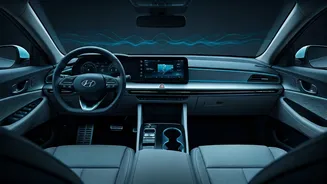
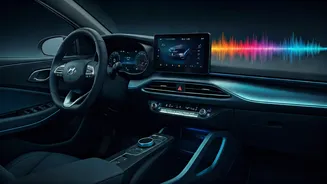
Enter Hyundai's N performance division. Rather than simply creating a generic futuristic tone, Hyundai developed a sophisticated system called N Active Sound+ to give drivers a customisable and, crucially, familiar auditory experience. First introduced on the high-performance Ioniq 5 N, this system uses a combination of eight internal and two external speakers to create a dynamic soundscape that goes far beyond a simple warning hum. It analyses driver inputs like speed, torque, and throttle position to generate a responsive and engaging sound profile. This isn't just about making noise; it's about recreating the sensory feedback that many drivers miss in the transition to electric power.
Simulating a Classic Feel
The N Active Sound+ system works in tandem with another innovation called N e-Shift. Together, they simulate the experience of driving a car with an eight-speed dual-clutch transmission (DCT). The N e-Shift system controls motor torque to create the subtle jolt and rhythm of gear changes, which can be controlled via paddle shifters, even though the car has no physical gearbox. The sound system then perfectly synchronises with these virtual shifts. Drivers can choose from several sound themes. The 'Ignition' theme, for instance, replicates the sound of Hyundai's N petrol engines, complete with pops and crackles on downshifts. Other themes like 'Evolution' offer a more futuristic EV performance sound, while 'Supersonic' is inspired by the roar of a jet fighter. This level of detail aims to make the experience more immersive and emotionally resonant.
Why Bother with 'Fake' Noise?
The effort to make an EV sound like its petrol-powered predecessor might seem counterintuitive. After all, isn't silence an advantage? For many daily commuters, it is. But for the performance market, sound is a critical component of the driving experience. It provides feedback on what the car is doing, enhances the sense of speed, and creates an emotional connection that many enthusiasts cherish. Hyundai's strategy is to use these simulated sounds as a bridge for traditional car lovers, making the switch to a high-performance EV less of a leap and more of an exciting evolution. The goal isn't to fool the driver into thinking they're in a petrol car, but to provide the engaging sensory feedback they associate with high-performance driving. According to Hyundai's own research and development heads, the positive reception has encouraged them to make future systems even more realistic.
The Future of the EV Soundscape
Hyundai is not alone in this endeavor; brands like Porsche, BMW, and Dodge are also heavily invested in creating unique sonic identities for their performance EVs. This has sparked a debate within the automotive world: Should EVs embrace their own quiet, digital nature, or should they pay homage to the century of combustion that preceded them? Hyundai's N division has clearly chosen a side, betting that a familiar feel will win over the hearts and minds of enthusiasts. By offering customisable sound profiles, they allow drivers to choose between nostalgic rumbles and futuristic whines, effectively personalizing the character of the car. As the technology evolves, we may even see the introduction of simulated vibrations and other tactile feedback to further blur the lines between the mechanical past and the electric future.