







The Old vs. The New System
Until recently, tourists enjoying Japan’s consumption tax exemption—a welcome 10% discount on most goods and 8% on food items—received their savings instantly at the checkout counter. By presenting a passport, shoppers paid a tax-exclusive price, had
their consumable goods sealed in a special bag, and were on their way. That straightforward process is over. Starting November 1, 2026, the system shifts to a refund model. Visitors now pay the full, tax-inclusive price for all items in-store. The consumption tax can only be claimed back at the airport or seaport upon departure, after completing a new customs procedure. This change brings Japan more in line with tax-refund systems used in other countries and is designed to streamline a process that had become prone to misuse.
Why the Change? Cracking Down on Resellers
The primary driver behind this overhaul is the Japanese government's effort to curb illegal reselling. The previous instant tax-exemption system was being exploited by individuals who would purchase vast quantities of goods tax-free, claiming they were for personal use, only to illegally resell them within Japan for a profit. This deprived the government of significant tax revenue. By shifting to a refund-at-departure model, authorities can better verify that the goods are actually leaving the country, which is the entire point of the tax-exemption scheme for tourists. The new process makes it much harder to abuse the system, as the tax is only refunded once departure with the goods is confirmed.
What to Expect at the Airport
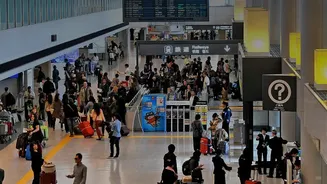
The departure process is now a crucial step. Before checking in your luggage, you must go to a tax-free procedure terminal. Here, you will scan your passport. The system will then display either a green or a red result. A green result means your process is complete, and you can proceed to check-in and immigration without further action. A red result means you have been selected for a physical inspection. In this case, you must take all your tax-free purchases to a customs counter for verification. An officer will inspect your items to ensure they match your receipts and that you are taking them out of the country. Only after this inspection is cleared can you proceed to claim your refund.
The Consequences of Non-Compliance
The new rule has teeth. If you are selected for an inspection and cannot present your tax-free goods, you will be required to pay the full consumption tax amount on the spot. It is critical to note that customs inspections are conducted on a per-receipt basis. If even one item from a single transaction receipt is missing, the entire purchase on that receipt becomes ineligible for a tax refund. Furthermore, if items were consumed or transferred to someone else within Japan, you are also obligated to pay the tax. In more serious cases of transferring goods, penalties could even include fines of up to 500,000 yen or imprisonment.
Tips for a Smooth Departure
To navigate this new system without stress, planning is key. The most important rule is to have your tax-free goods accessible. If possible, pack them in your carry-on luggage. If your items must go into checked baggage (for example, liquids over 100ml), you must complete the customs process before you check your bags. Arrive at the airport earlier than you normally would to allow ample time for potential inspections. Keep all your receipts organized. While the special sealed bags for consumables are being phased out, you still cannot consume these items before leaving Japan if you want your refund. Finally, the rule about taking goods out of the country is now strictly physical; as of April 2025, you can no longer ship items home separately and claim a tax exemption.