





How GLP-1s Rewrite the Rules of Hunger
GLP-1 medications like semaglutide and tirzepatide work by mimicking a natural hormone your gut releases after you eat. This has a dual effect: it signals to your brain that you're full and it slows down gastric emptying, the process of food leaving your stomach.
The result is a dramatically reduced appetite and a feeling of fullness that lasts much longer. People on these medications often report that the constant 'food noise' or cravings simply quiets down. Instead of thinking about their next meal, they can go longer without feeling hungry. This fundamental change shifts the entire dynamic of eating from a volume-based challenge—how much can I eat before I'm full?—to a composition-based one.
The Risk of an 'Empty' Calorie Deficit
While eating less is the goal for weight loss, a sharp drop in food intake comes with its own set of risks. When you're consuming significantly fewer calories, you have fewer opportunities to get the essential nutrients your body needs to function. This can lead to nutritional deficiencies in key vitamins and minerals, such as vitamin D, iron, and calcium. More critically, a major concern is the loss of lean muscle mass. Studies show that without careful management, a significant portion of weight lost on these medications can come from muscle, not just fat. Losing muscle is counterproductive, as it slows your metabolism, reduces strength, and can compromise long-term health. This is why simply eating less isn't enough; you have to eat smarter.
Protein: The Most Valuable Player
When your appetite is suppressed, every nutrient has to justify its place on your plate, and protein is the undisputed star player. Prioritizing protein intake is crucial for preserving muscle mass during weight loss. Experts recommend aiming for a substantial amount of protein with each meal, often suggesting that you eat your protein source first before you start to feel full. Good sources include lean meats like chicken and fish, eggs, low-fat dairy like Greek yogurt and cottage cheese, tofu, and legumes like beans and lentils. Getting enough protein not only protects your muscles but also helps you feel satisfied and supports stable energy levels, which can sometimes dip when calorie intake is low.
Fiber and Healthy Fats for Fullness and Function
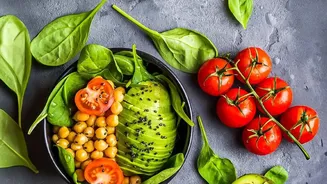
Beyond protein, fiber is another key component of a successful GLP-1 diet. Because these drugs slow digestion, constipation can be a common and uncomfortable side effect. A diet rich in fiber from whole grains, fruits, and vegetables helps promote regular bowel movements and can combat this issue. Fiber also contributes to feelings of fullness, helping you make the most of smaller meals. Healthy fats, found in foods like avocados, nuts, and olive oil, are also important. While high-fat, greasy, and fried foods can often worsen side effects like nausea, moderate amounts of healthy fats support heart health and help your body absorb certain vitamins. The goal is a balanced plate that delivers maximum nutrition in a smaller package.
Putting It All Together: A New Way of Eating
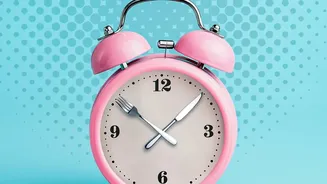
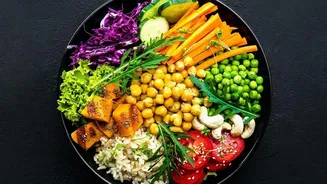
Adapting to life on a GLP-1 medication involves a mental shift. Instead of three large meals, many people find it easier to eat smaller, more frequent meals throughout the day. This approach can help manage side effects like nausea and ensures a steady supply of nutrients. It's also wise to limit or avoid foods that can exacerbate side effects, such as overly sugary, spicy, or greasy items. Hydration is also key; drinking plenty of water can help with constipation and overall well-being. The ideal GLP-1 plate starts with a robust serving of lean protein, adds a healthy portion of fiber-rich vegetables or whole grains, and includes a small amount of healthy fat. It's a strategy focused entirely on nutritional quality, ensuring your body is nourished even when your appetite is diminished.