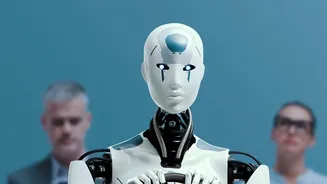




Artificial intelligence is no longer a far-off concept; it's reshaping the hiring process right now. But as companies adopt AI for recruitment, a critical question emerges: where do experienced professionals fit in a world of automated decisions?
AI's Expanding Role in Recruitment
The days
of HR professionals manually sifting through mountains of resumes are quickly fading. Today, AI-powered tools are streamlining and automating many repetitive aspects of recruitment. These systems can screen thousands of applications in a fraction of the time it would take a human, matching keywords and qualifications to job descriptions. In India, a significant majority of organisations—as high as 86% according to a recent Deloitte report—are already embedding AI into their hiring processes to gain an edge in a competitive talent market. The technology has evolved beyond simple keyword matching. Modern AI leverages machine learning to analyse historical hiring data, identify patterns of successful candidates, and even predict a candidate's likelihood of success in a role. This allows recruitment teams to move faster, reduce the cost per hire, and focus their energy on more strategic tasks like candidate engagement and final decision-making.
Why Practical Expertise Is Irreplaceable
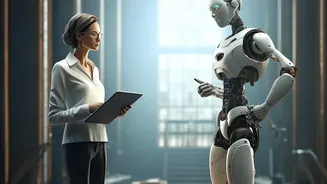
Despite AI's efficiency, it cannot replicate the nuanced understanding that comes from years of hands-on experience. While AI excels at processing data and recognizing patterns, seasoned professionals provide the critical context and judgment that algorithms lack. An experienced manager knows that a candidate's potential isn't always captured on a resume. They can read between the lines during an interview, assessing crucial soft skills like emotional intelligence, adaptability, and cultural fit—areas where AI still struggles. This human element is vital for building rapport and truly understanding if a candidate will thrive within a team. Furthermore, experienced workers possess deep domain knowledge, which allows them to ask better questions and critically evaluate AI-generated suggestions, spotting errors or 'hallucinations' that a less experienced person might miss.
The Synergy of Human and Machine
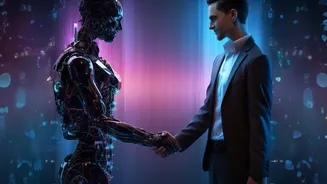
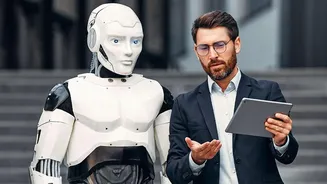
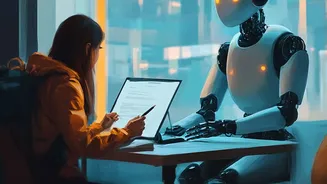
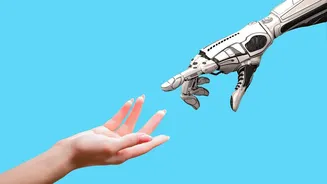
The future of hiring isn't a battle between humans and machines; it's about collaboration. The most effective hiring models use AI as a powerful assistant, not a replacement for human judgment. In this symbiotic relationship, AI handles the high-volume, data-heavy lifting. It can source and screen candidates, schedule interviews, and provide data-driven insights, freeing up recruiters from administrative burdens. This allows the human experts to focus on what they do best: building relationships, conducting in-depth interviews, negotiating offers, and making the final, context-aware hiring decision. This collaborative approach leads to a process that is both efficient and effective, blending the speed of technology with the wisdom of experience. Organisations that get this balance right can make faster, more consistent, and fairer hiring decisions.
Thriving in the AI_Augmented Workplace
For both employers and employees, adapting to this new reality is key. The demand for AI_related skills in India is surging, with some reports showing a 65% increase in GCC roles requiring AI expertise. However, the most valuable skills in this new era are not just technical. They are the durable human skills that AI cannot automate: critical thinking, ethical judgment, strategic decision_making, and complex problem_solving. Experienced professionals can leverage AI as a tool to amplify their existing expertise. By learning how to use AI platforms effectively—a skill sometimes called 'intelligent interrogation'—they can generate better insights and focus on higher_value strategic work. For companies, the focus must shift to upskilling their workforce, creating an environment where both seasoned veterans and junior employees learn to work alongside AI, ensuring that human oversight and accountability remain at the core of all processes.