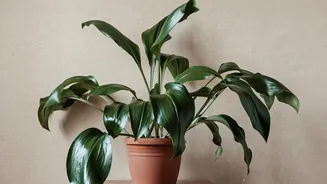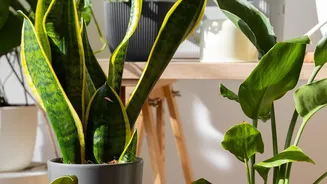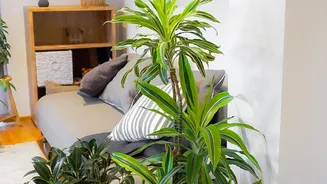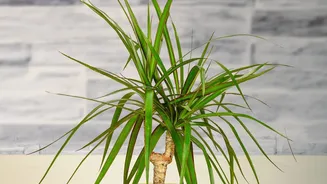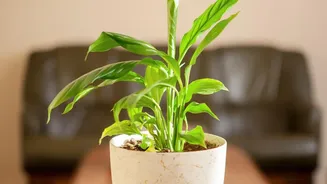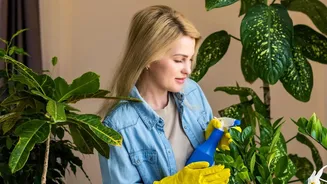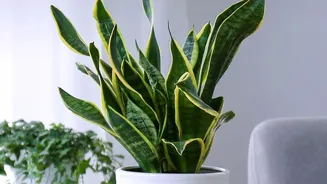





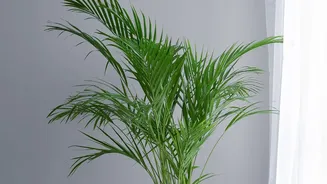

The idea of a leafy ficus or snake plant silently scrubbing your home’s air is appealing. Many of us have bought plants hoping for this green benefit. But while they undoubtedly beautify a room, the science behind their air-purifying power is complex.
The Promise of a Natural Purifier
For decades, we’ve heard that bringing plants indoors does more than just add a splash of colour. The popular belief is that common houseplants act as living air filters, diligently removing harmful toxins like formaldehyde and benzene that can off-gas from furniture, paints, and cleaning products. This has led many to strategically place pots of peace lilies, spider plants, and money plants around their homes, believing they are creating a healthier, cleaner environment. The claim is so widespread that it’s often stated as fact in home decor magazines and plant shops, promising a natural, beautiful solution to indoor pollution.
The Origin: A 1989 NASA Study
The foundation for this belief is a well-known 1989 study from NASA. Researchers were looking for ways to clean the air in sealed environments like space stations. In their experiment, they placed individual plants in small, airtight plexiglass chambers and injected volatile organic compounds (VOCs) like benzene and formaldehyde. The results were impressive: some plants were able to remove a significant percentage of these pollutants from the sealed chamber's air over a 24-hour period. This landmark study suggested that certain common houseplants could indeed be a natural way to scrub the air of toxic agents.
The Reality in a Real Home
Here’s where the popular belief and scientific reality diverge. Your living room or office is not a small, sealed space station chamber. Subsequent analysis by other scientists has revealed that the conditions of the NASA study are not applicable to typical buildings. Indoor spaces are much larger and have constant air exchange from open windows, doors, and ventilation systems. This natural ventilation removes VOCs far more effectively and rapidly than plants can. A 2019 review of decades of research concluded that to replicate the air-cleaning effects seen in the lab, you would need an unfeasible number of plants — somewhere between 10 and 1,000 plants per square metre of floor space. That means a typical 140-square-metre home would need over 680 plants to make a meaningful difference.
So, What Are Plants Good For?
Just because they aren’t powerful air purifiers doesn’t mean houseplants are useless. Far from it. The most significant and well-proven benefits of having plants indoors are psychological. Numerous studies have shown that the presence of greenery can reduce stress, anxiety, and even feelings of depression. Interacting with plants, such as by watering or pruning them, has been found to lower levels of the stress hormone cortisol, reduce blood pressure, and create a sense of calm. In a world of screens and concrete, this connection to nature, known as biophilia, nurtures our well being in measurable ways.
The Power of Aesthetics and Well Being
Beyond stress reduction, plants simply make our spaces more pleasant. Studies have shown that people report higher levels of happiness, focus, and creativity when plants are present in their environment. The visual appeal of a plant—its shape, colour, and texture—can improve our perception of a room, making it feel more beautiful and relaxing. The act of caring for a plant can also provide a sense of routine, purpose, and accomplishment, which contributes to better mental health. They may not be scrubbing toxins from the air at a high rate, but they are certainly enhancing our quality of life.