


The 'Gunpowder' Explained
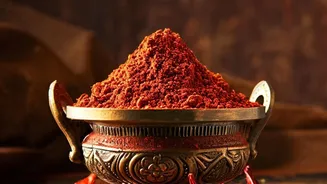
Podi, which simply means 'powder' in several South Indian languages, is a dry spice mix with ancient roots. Its most famous nickname, 'gunpowder', perfectly captures its explosive flavour. While recipes vary fiercely from one family and state to another,
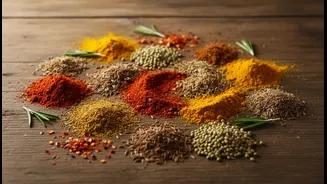
the foundation is a masterful blend of roasted lentils (like urad and chana dal), dried red chillies, sesame seeds, and spices like asafoetida and cumin. These ingredients are individually roasted to perfection to awaken their aromas before being ground into a coarse powder. This process, honed over centuries, creates a condiment that is nutty, smoky, and intensely aromatic.
A Symphony of Heat and Crunch
The first element of podi's appeal is its signature heat. This isn't just a blunt, fiery assault; it's a complex warmth derived from different types of dried red chillies, from the milder, colour-rich Kashmiri to the sharper Guntur variety. The heat is expertly balanced by the earthy, nutty flavours of the roasted dals and seeds. This brings us to its second key attribute: the crunch. The coarse texture of the ground lentils and seeds provides a delightful textural contrast, especially when sprinkled over soft, steaming idlis or dosas. When mixed with ghee or sesame oil to form a paste, the powder transforms, yet its satisfyingly granular texture remains, making every bite interesting.
The Ultimate Convenience Food
In a fast-paced world, podi is the ultimate kitchen hack. Its creation was born from a need for flavour that could last without refrigeration, making it a perfect travel companion on long journeys. Today, that same quality makes it an indispensable pantry staple for busy households. It’s a quick fix for a flavourless meal. A simple bowl of hot rice mixed with a spoonful of podi and a drizzle of ghee is a deeply comforting meal in itself, ready in minutes. It stands in for fresh chutney when time is short and instantly elevates a simple breakfast of idli or dosa, proving that convenience doesn't have to mean compromising on taste.
A Taste of Home and Tradition
Beyond its sensory attributes, podi is steeped in emotion and tradition. For many, it's a taste of home, a flavour passed down through generations, with each family priding itself on a secret recipe. It's the flavour of care packages sent to children living away from home, an edible reminder of family and comfort. The ritual of making podi—the slow roasting of ingredients filling the house with a rich aroma—is a cherished culinary tradition in many South Indian kitchens. It connects the present generation to their ancestors and preserves a rich culinary heritage in every jar.
Podi's Modern Renaissance
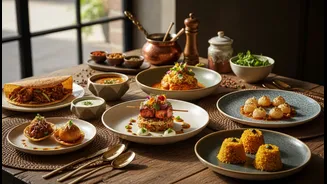
While its traditional pairings are timeless, podi is experiencing a modern renaissance. Creative chefs and home cooks are taking this versatile powder beyond the breakfast table. It's now being used as a seasoning for roasted vegetables, a rub for grilled meats, and a spicy kick in sandwiches and wraps. You might find it sprinkled on avocado toast, tossed with french fries, or even stirred into pasta for a fusion twist. This adaptability proves that podi is not just a relic of the past but a dynamic ingredient that continues to find new and exciting ways to delight our taste buds.