


A Symbolic Shift from Last to First
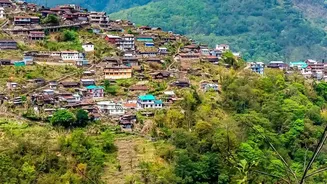
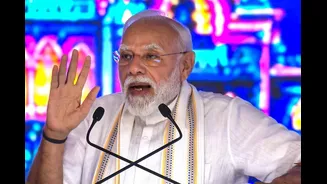
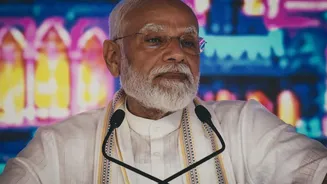
For decades, Mana village in Uttarakhand, located just a few kilometres from the Badrinath shrine and the Indo-Tibetan border, was known as the 'Last Indian Village'. This label evoked a sense of remote finality. However, following a visit by Prime Minister
Narendra Modi in 2022, this narrative was purposefully changed. In April 2023, the Border Roads Organisation (BRO) officially installed a new sign designating Mana as the 'First Indian Village'. This rebranding is a powerful symbolic gesture, reframing border areas not as endpoints but as gateways to the nation's cultural and strategic frontiers. It's a core component of the central government's Vibrant Villages Programme, which aims to develop infrastructure, boost tourism, and create livelihood opportunities in 662 border villages, including 51 in Uttarakhand. The goal is to integrate these remote communities into the national economy and curb out-migration.
Where Mythology Meets Modern Infrastructure
Mana's appeal is deeply rooted in Hindu mythology, making it a powerful draw for pilgrims and cultural tourists. Legend holds that this is where the epic Mahabharata was composed by the sage Ved Vyas in a cave known as Vyas Gufa. It is also believed to be the path the Pandava brothers took on their final journey to heaven. A natural stone bridge called Bheem Pul, said to have been placed by Bheema to help Draupadi cross the roaring Saraswati River, is a major attraction. The mythical Saraswati River itself is believed to be visible here before it disappears underground. This rich spiritual heritage is now being complemented by significant infrastructural upgrades. Projects to widen roads, such as the stretches from Mana to Mana Pass and Joshimath to Malari, aim to provide all-weather, last-mile connectivity. These developments make the village more accessible for the thousands of Char Dham pilgrims who now extend their journey to Mana.
The Economic Ripple Effect on the Ground
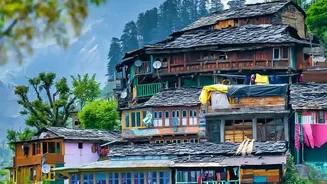
The shift in status and improved access have had a tangible economic impact. The spike in tourist arrivals has created a surge in local employment and entrepreneurial activity. Where residents of the Bhotiya community once focused mainly on traditional agriculture and weaving, many have now ventured into tourism-related businesses. According to reports, around 60 houses in the village have been converted into homestays and shops, providing new income streams. Local women are finding a wider market for their handcrafted woollen garments, and other residents are working as guides or opening small eateries. The Uttarakhand government has officially designated Mana a 'Tourism Village,' a move aimed at structuring this growth and ensuring the local community benefits directly. This economic upliftment is a primary goal of the Vibrant Villages Programme, which seeks to make life in border areas sustainable and prosperous.
Balancing Opportunity with Responsibility
While the development brings undeniable benefits, it also presents significant challenges. The surge in tourism puts immense pressure on the fragile Himalayan ecosystem. In recent years, concerns about waste management have grown, with videos circulating online showing litter being discarded near sacred sites like the Saraswati River. The influx of visitors strains local resources and raises questions about preserving the village's unique cultural authenticity amidst rapid commercialisation. Striking a balance between economic growth and environmental preservation is the critical task ahead. Sustainable tourism practices—such as effective waste management, promoting off-season travel, and ensuring development does not harm the local ecology—will be crucial. Cleanliness campaigns have been organised, but the challenge requires a sustained effort from both authorities and tourists to implement 'leave no trace' principles and respect the sanctity of the region.