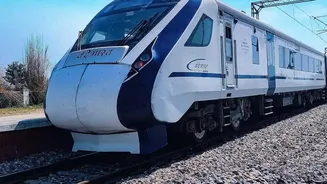




The Dream Takes Shape
The Mumbai-Ahmedabad High-Speed Rail (MAHSR) project, a cornerstone of India's infrastructure ambitions, is steadily moving from blueprint to reality. As of late 2026, significant construction milestones have been achieved across the 508-kilometre corridor.
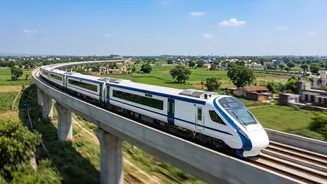
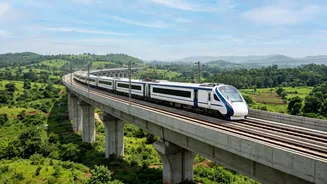
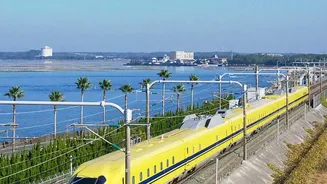
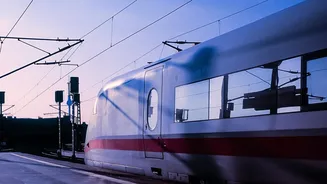
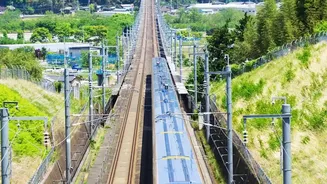
Work on viaducts, piers, and stations is progressing at a brisk pace, particularly in Gujarat, where large sections of the civil work are nearing completion. The project is not just about connecting two major economic hubs; it's about pioneering a new era of transportation in India, with trains expected to operate at speeds of 320 km/h. According to Union Railway Minister Ashwini Vaishnaw, the first section, likely between Surat and Vapi or Surat and Bilimora, is anticipated to become operational in 2027, marking a historic moment for the nation.
More Than Steel And Concrete
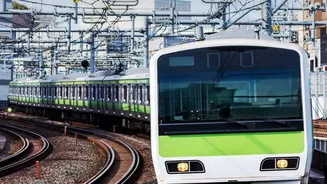
While the physical infrastructure is a monumental engineering feat, it represents only one half of the equation. A train that can travel at over 300 km/h requires a fundamentally different approach to operations, safety, and maintenance than a conventional railway system. The success of Japan's Shinkansen, the model for India's project, is built not just on its advanced technology but on a culture of absolute precision, punctuality, and an unwavering focus on safety. This recognition has led to a critical insight: building the train is one thing, but having the right people to run it is another. The true long-term success of the bullet train hinges on a 'key qualification' that goes beyond engineering and construction.
The 'Key Qualification' Revealed
The key qualification for India’s first bullet train is the creation of a highly specialised, world-class human workforce trained to global standards. This isn't just a matter of upskilling; it involves building an entirely new cadre of professionals, from loco-pilots and controllers to maintenance technicians. To achieve this, the National High Speed Rail Corporation Limited (NHSRCL) has embarked on an ambitious training program, sending its first batches of Indian railway professionals to Japan. These mid-career officers, with prior experience in Indian Railways or metro systems, are undergoing intensive, year-long training with partners like JR East to master every aspect of Shinkansen operations. The goal is to ensure that when the first train rolls out, the crew in the driver's cabin and the team on the ground are as advanced as the technology they command.
A New Standard of Precision
The training in Japan is about more than just learning to operate a fast train; it's about internalising a new work culture. Trainees are being schooled in the famed Japanese 'point-and-call' safety practice, where drivers physically point to instruments and call out their status to ensure alertness and minimise human error. Furthermore, Japanese-made simulators are being installed at a specialised High-Speed Rail Training Institute in Vadodara to provide a realistic training environment for drivers, conductors, and maintenance staff back home. The curriculum covers not only high-speed driving theory but also intricate safety procedures and emergency responses, aiming to replicate the Shinkansen's remarkable record of zero passenger fatalities from accidents in over 50 years.
The Ripple Effect for a 'Viksit Bharat'
This focus on human capital is the project's most profound long-term investment. The trained personnel will not only operate the Mumbai-Ahmedabad line but will also become the master trainers for future high-speed corridors, creating a self-sustaining ecosystem of expertise within India. Recent recruitment drives by NHSRCL for technicians and engineers specifically target experienced personnel from existing railway and metro systems, indicating a strategy to build a robust team by leveraging existing talent. This initiative aligns with the 'Atmanirbhar Bharat' vision, moving beyond simply importing technology to mastering its operation and maintenance. By developing this qualified workforce, India is laying the foundation for a nationwide high-speed rail network, fostering new career paths and setting a new benchmark for technical excellence in public transport.