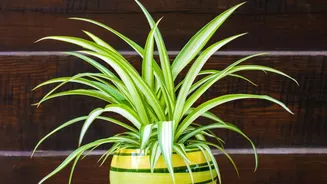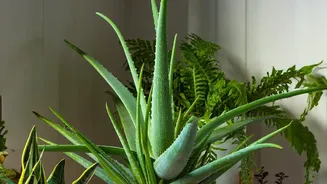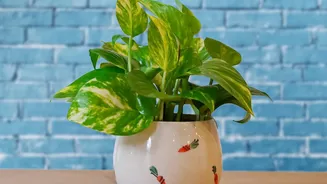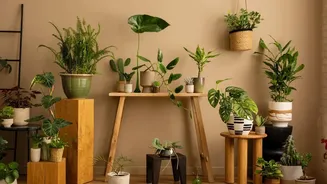





The First Rule: Sizing the Pot to the Plant
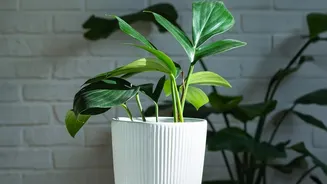
Before considering your room, the planter’s first job is to be a good home for your plant. Scale is crucial. A pot that is too small can restrict root growth, while one that is excessively large can hold too much moisture, leading to root rot. A good rule
of thumb when repotting is to choose a new planter that is only one to two inches larger in diameter than the current one. This gives the roots enough space to grow without overwhelming the plant with a vast amount of wet soil. For smaller plants like succulents or newly propagated cuttings, pots in the 4 to 7-inch range work well. Actively growing plants like Monsteras or a Ficus might need a 6 to 8-inch pot, while large, mature indoor trees will require a planter that's 10 inches or more in diameter.
The Second Rule: Matching the Pot to the Furniture
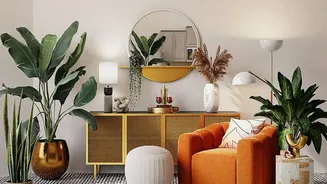
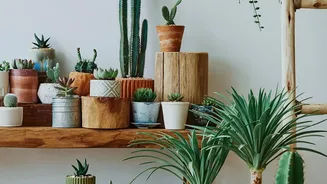
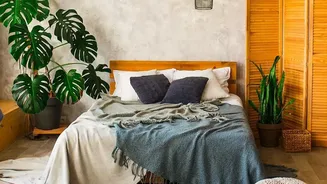
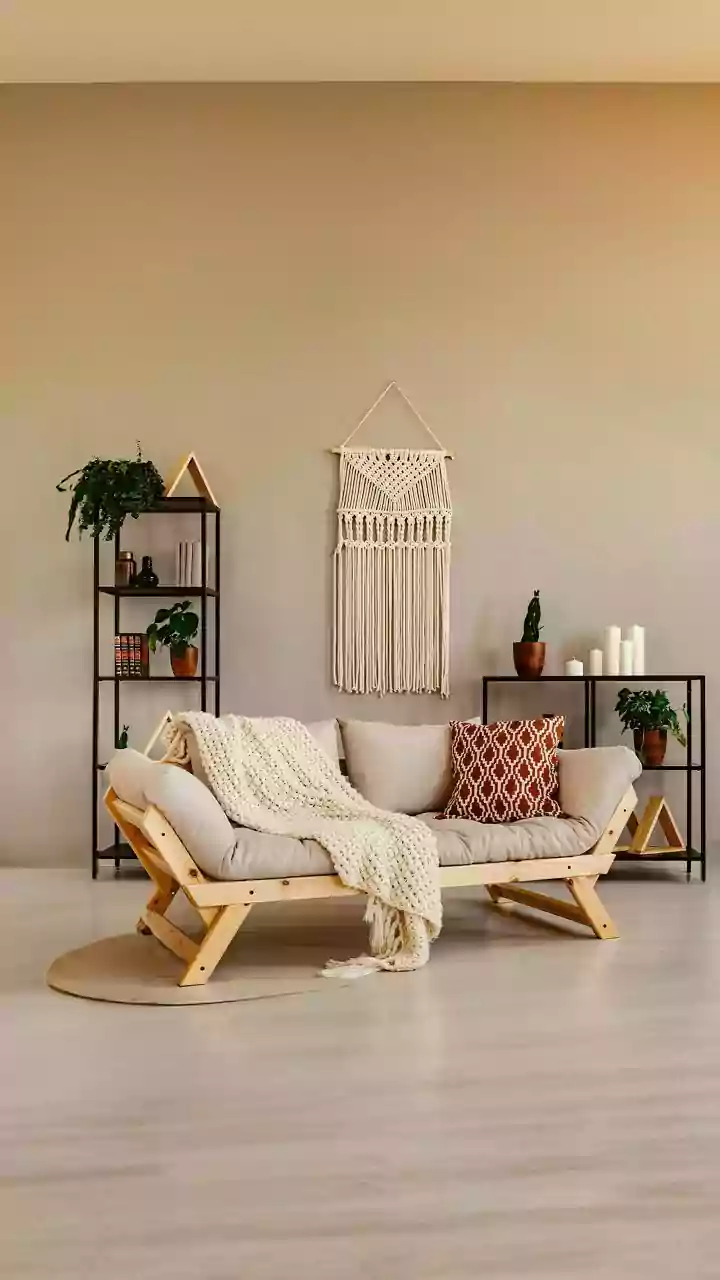
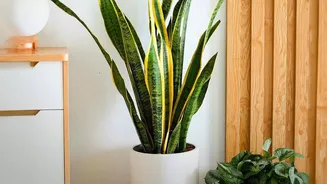
Once the plant is happy, the next step is to ensure the planter makes sense in its surroundings. This is where many of us miss a trick. The scale of your planter should complement the scale of the furniture around it. A tiny, 4-inch pot placed on the floor next to a large sofa will look lost and unintentional. Conversely, a massive floor planter can overwhelm a delicate side table or a small armchair. As a general guide, large planters (12 inches and up) belong on the floor, where they can anchor an empty corner, flank a doorway, or give a statement floor plant the presence it deserves. Medium planters (8 to 10 inches) are perfect for dining tables, kitchen counters, or consoles, providing a focal point without competing with the furniture. Small planters are details, best placed on bookshelves, desks, and windowsills where they add a touch of green without cluttering the space.
Why Ceramic is a Smart Choice
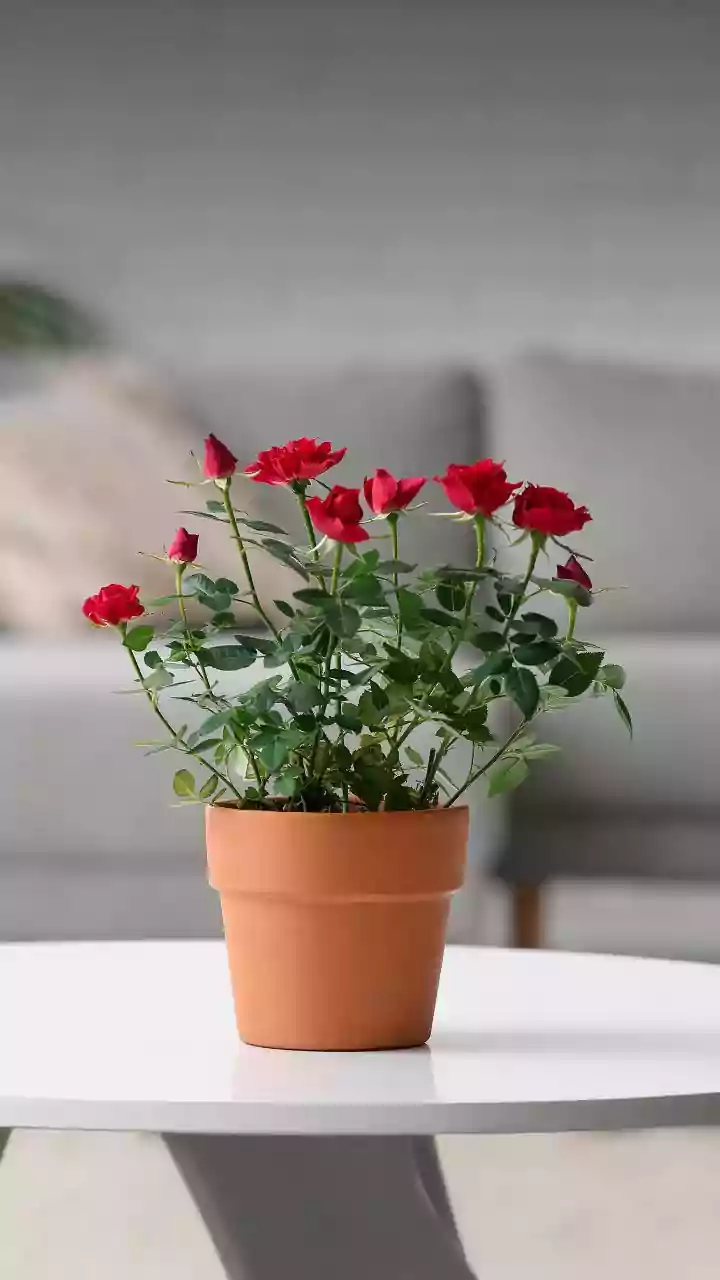
Ceramic planters are a popular choice for good reason. Their weight provides stability for larger plants, preventing them from tipping over as they grow. Glazed ceramic options are excellent at retaining moisture, which means you may not need to water as frequently. But the biggest advantage of ceramic is its incredible aesthetic versatility. Available in a vast range of colours, textures, and finishes, ceramic pots can seamlessly blend into your existing decor or act as a bold statement piece. A planter with a textured, handcrafted finish can add warmth and character to a minimalist room, while a collection of sleek, neutral-toned pots can create a feeling of calm cohesion.
Creating Cohesion with Colour and Groupings
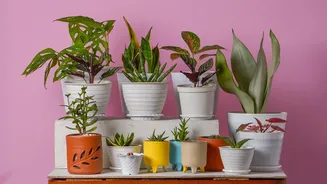
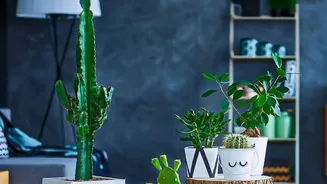
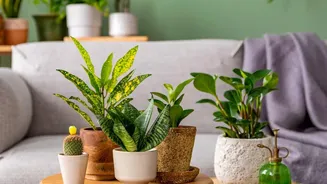
To truly integrate plants into your design, think like an interior designer. Use the planter to echo other colours in the room—a blue pot that picks up the colour of a cushion, or a terracotta planter that complements wooden furniture. This creates a visual link that makes the plant feel like it belongs. Another powerful technique is to group plants together. An arrangement of three or five planters of varying heights and shapes often looks more natural and impactful than single, scattered plants. This 'rule of three' creates a small vignette that draws the eye. You can place a tall plant at the back as an anchor, a medium bushy plant in the middle, and a low or trailing plant at the front to create a lush, layered look.