



The lights have dimmed, the guests have gone, and the last of the Diwali sweets have been eaten. It's common to feel sluggish and bloated, and to want a quick 'reset'. But before you reach for a so-called detox, what do experts say?
The Great 'Detox' Myth
The idea of a post-festival
'detox' is incredibly popular, with countless teas, juices, and restrictive diets promising to cleanse your system. However, health experts, including cardiologists, are clear: your body has its own highly effective detoxification system. Your liver and kidneys work around the clock to filter and remove waste products. Drastic 'cleanses' are not only unnecessary but can be counterproductive, often leading to nutrient deficiencies, fatigue, and even triggering more overeating later. The real secret to post-Diwali recovery isn't a magical, short-term fix; it's a gentle and supportive return to a balanced lifestyle.
Hydration Is Your Best Friend
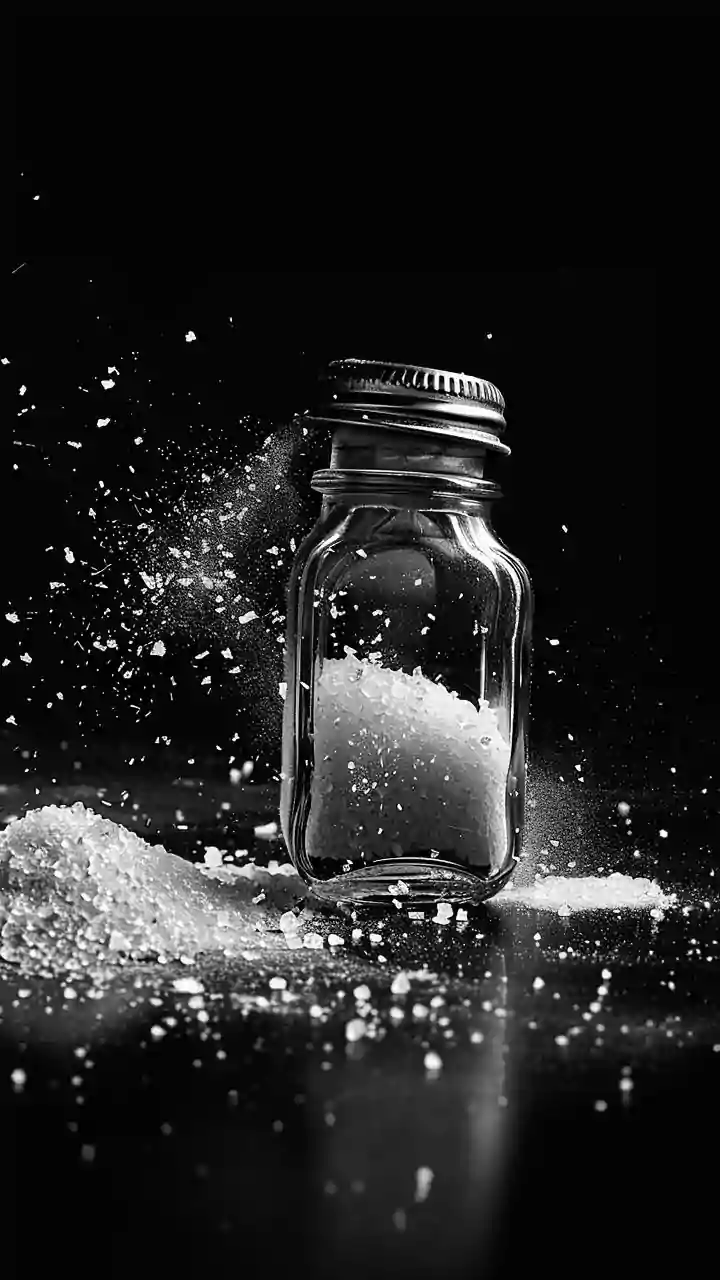
After days of enjoying salty snacks and rich sweets, one of the simplest and most effective things you can do is rehydrate. Water is essential for helping your kidneys flush out excess salt, which can reduce that bloated feeling. Aim for at least 8-10 glasses of water daily. While plain water is best, you can also sip on herbal teas like ginger or fennel to aid digestion, or enjoy coconut water. Proper hydration supports your body's natural processes, boosts energy, and can even help manage post-festival cravings for sugary drinks.
Gently Return to Whole Foods
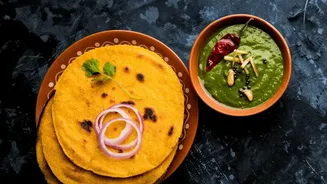
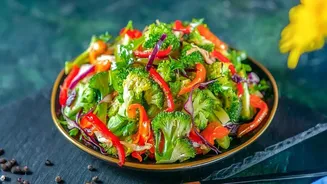
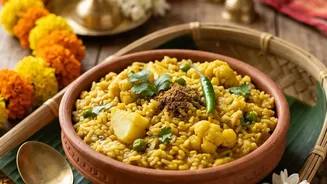
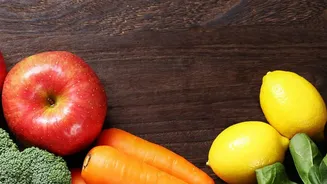
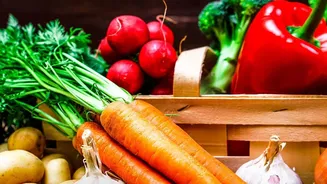
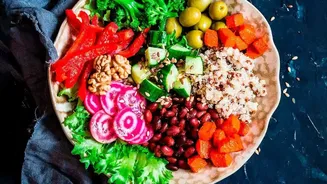
Resist the temptation to skip meals to 'compensate' for festive indulgence. Experts agree that this can backfire. Instead, focus on reintroducing nutrient-dense, home-cooked meals. After a diet rich in fried foods and sugar, your body will thank you for fibre. Gradually bring back seasonal fruits, green vegetables, whole grains like dalia, and legumes such as dal and chickpeas. A simple bowl of khichdi or dal-rice can be incredibly restorative. This approach provides the vitamins, minerals, and fibre your body needs to get back on track without the stress of a restrictive diet.
Support Your Gut Health
The rich, heavy foods of Diwali can sometimes disrupt the delicate balance of your gut bacteria. A simple way to support your digestive system is by including probiotics in your diet. Plain curd, buttermilk (chaas), or yogurt are excellent choices. These fermented foods help restore the good bacteria in your gut, which aids digestion and nutrient absorption. A glass of buttermilk with roasted jeera can be a soothing addition to your lunch. Focusing on gut health is a powerful way to reduce bloating and feel better from the inside out.
Mindful Movement, Not Punishment
The feeling of poststfestival sluggishness can make you want to do an intense workout to 'burn it all off'. However, a gentler approach is more effective and sustainable. Light physical activity, like a brisk 20–30 minute walk, can do wonders for your digestion and mood. Exercise shouldn't feel like a punishment for enjoying the festival. Instead, frame it as a positive way to boost circulation and energy levels. Even a short walk after meals can make a noticeable difference. Consistency is more important than intensity as you ease back into your routine.
Be Kind to Yourself
Perhaps the most important piece of advice is to let go of any guilt. Diwali is a time for joy and celebration, and enjoying special foods with loved ones is part of that experience. One week of festive eating does not define your long term health. Rather than focusing on what you ate, focus on the positive steps you can take now. Re establish a regular sleep schedule, listen to your body’s hunger cues, and practise portion control as you move forward. Cardiologists emphasise that a mindful and balanced approach is key to heart health, not just after festivals, but all year round.