



The Most Ambitious Landing in Rocketry
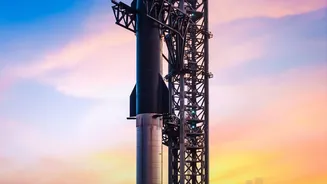
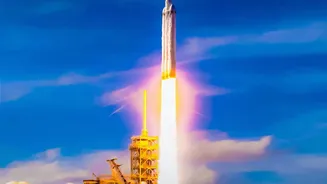
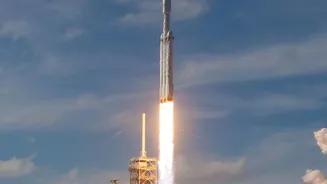
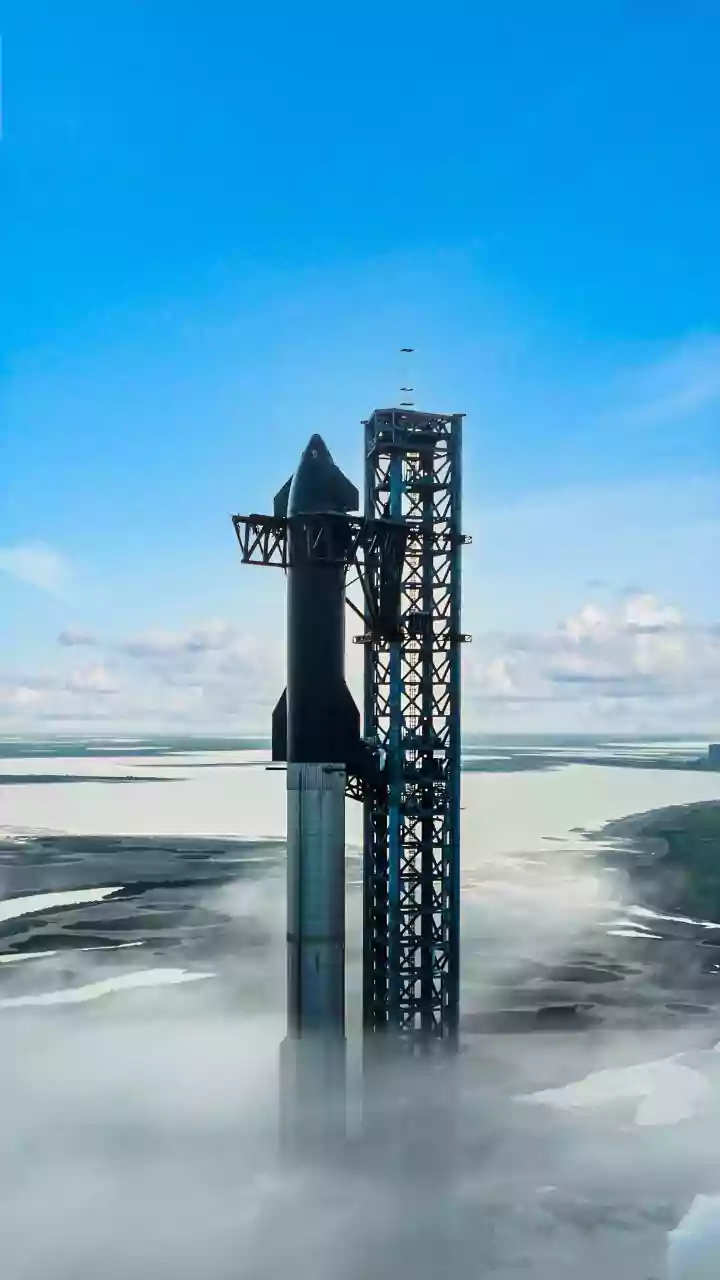
SpaceX’s plan for Starship's full reusability hinges on a maneuver that sounds like science fiction: catching the skyscraper-sized Super Heavy booster and the Starship upper stage out of the air. The launch tower at its Starbase facility in Texas is equipped
with two giant mechanical arms, nicknamed 'chopsticks'. The goal is to have the returning booster or ship essentially fly itself into these arms. A successful catch eliminates the need for heavy landing legs on the vehicle and avoids slow, costly ocean recovery operations. This process is the key to unlocking SpaceX’s ultimate vision of turning rockets into reusable vehicles capable of flying multiple times per day, drastically lowering the cost of access to space.
What Happened on Flight 15?
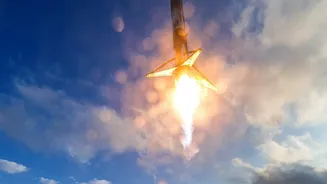
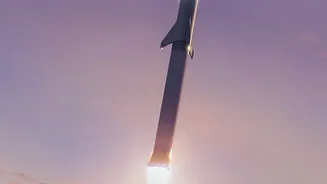
During the November 13 mission, the Super Heavy booster, designated Booster 22, performed its launch and stage separation as planned. It then initiated its 'boostback burn' to return toward the launch site. However, the booster’s onboard computer triggered an automatic abort just before it could attempt the final approach to the tower. This safety system diverted the booster to a designated splashdown zone in the Gulf of Mexico. While the booster executed a landing burn and hovered over the water, its flight termination system was activated upon engine cutoff, resulting in a large fireball as the remaining propellants were safely burned off. The abort was a setback, but it demonstrated that the vehicle's safety protocols to protect the ground infrastructure worked as designed.
The Investigation Underway
SpaceX engineers are now deep in data analysis to pinpoint the root cause of the abort. Initial statements during the company's webcast pointed to a guidance, navigation, and control (GNC) issue, but this was later corrected. The GNC system functioned correctly; it called the abort because the booster was not in a perfect position for a safe catch. Later updates from SpaceX commentator Kate Tice indicated that the boostback burn ended early due to a 'low fuel mass alarm'. The investigation is now focused on whether this was a genuine fuel shortage, a sensor error, or an issue related to one of the 33 Raptor engines not relighting for the burn. While the upper stage of Flight 15 went on to achieve its own historic first by being caught by the tower after returning from orbit, the company needs to solve the booster issue to achieve its goal of full and rapid reusability.
Why This Setback Still Matters
Even though the mission had major successes, the booster abort highlights the razor-thin margins involved in the tower catch maneuver. While SpaceX has successfully caught Super Heavy boosters on three previous flights, this was the first attempt with an upgraded version. Each flight provides invaluable data, and an abort is often seen as a learning experience within SpaceX's iterative design philosophy. The failure to recover the booster does not significantly impact programs like NASA's Artemis, which relies on Starship for lunar landings, as initial missions do not depend on booster recovery. However, a 'double catch' of both the booster and the ship on a single mission remains the ultimate prize. Mastering this is fundamental to achieving the high launch frequency that underpins SpaceX's entire business case for Starship, from deploying thousands of Starlink satellites to eventually building a city on Mars.