




1. What Exactly Is Neelakurinji?
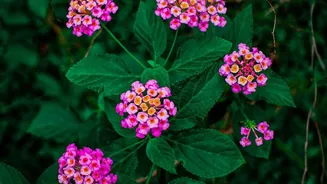
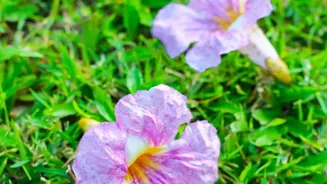
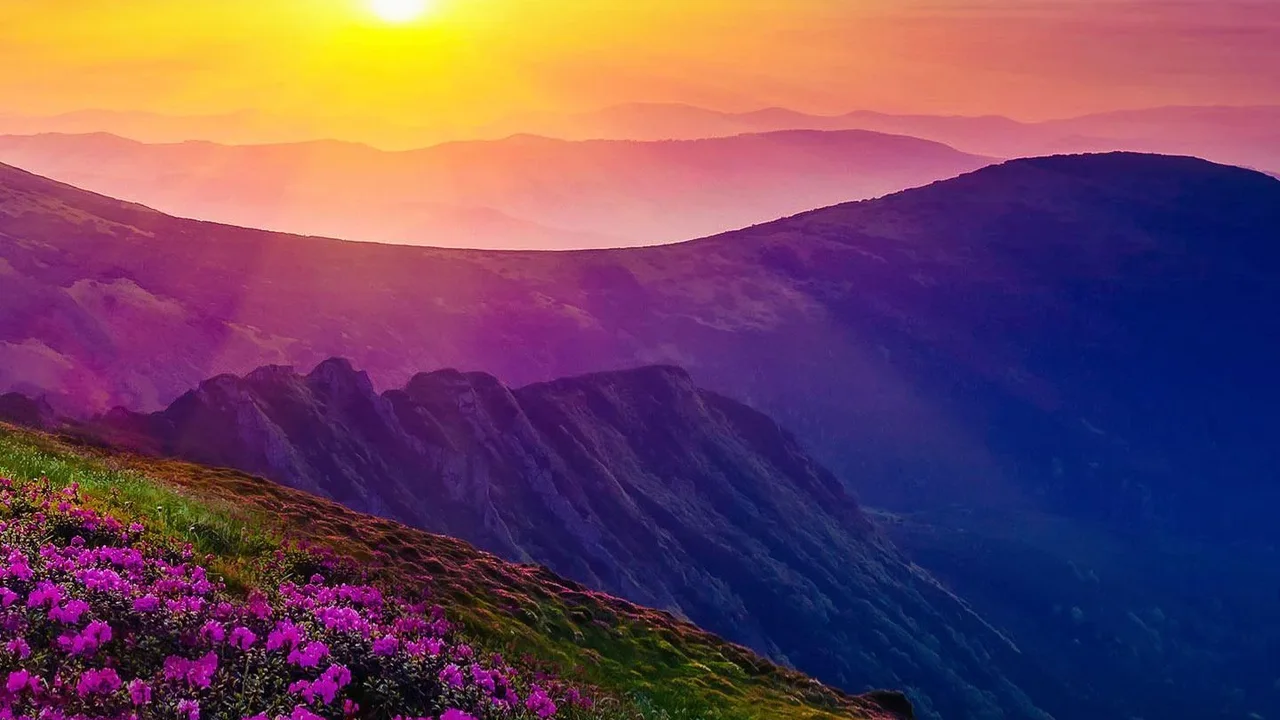
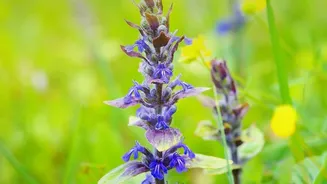
Neelakurinji, or 'Strobilanthes kunthiana', is a shrub endemic to the shola forests of the Western Ghats. It typically grows at altitudes between 1,300 and 2,400 metres. The flower itself is a purplish-blue bloom that has no particular smell or medicinal
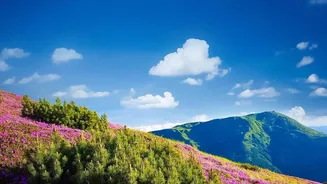
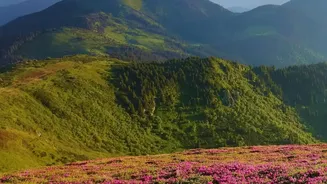
value, but its beauty is legendary. In fact, the famous Nilgiri Hills, which translates to 'Blue Mountains', are believed to have gotten their name from the stunning blanket of blue these flowers create during a mass flowering.
2. The Famous 12-Year Cycle Explained
What makes the Neelakurinji so special is its highly unusual flowering cycle. The plant blooms only once every 12 years. This type of mass, synchronised flowering after a long interval is a natural survival strategy known as masting. After it flowers and produces seeds for the next generation, the parent plant dies. This rare, fleeting spectacle is what draws nature lovers from around the globe. The last major bloom in the most famous tourist zone, Eravikulam National Park, was in 2018, with the next one there expected in 2030. This makes the 2026 bloom a special opportunity, as it involves a different population of the flower running on its own 12-year clock.
3. Where To See the 2026 Bloom
The current 2026 flowering is concentrated in specific areas around Munnar. The main locations reporting the bloom are the Chokramudi Hills and the slopes around Korandakkad and Mattupetty. These areas, located in the Idukki district, have seen the flowers start to appear in late August, with the bloom expected to become more widespread through September. It's important for visitors to know that this bloom is not happening in the main tourist area of Eravikulam National Park, which is on a different cycle. For this year, Chokramudi and Mattupetty are the key destinations.
4. The Best Time for a Visit
The Neelakurinji season generally spans from August to October. For the 2026 bloom, forest officials opened the Chokramudi area to visitors on August 24, with the flowering expected to hit its peak in September and October, after the monsoon rains have subsided. This period typically offers clearer skies and pleasant weather, making it ideal for viewing the vast floral carpets. However, the exact timing and intensity can be influenced by local weather conditions, so it's always a good idea to check for the latest updates before planning a trip.
5. A Flower with Deep Cultural Roots
The Neelakurinji is more than just a beautiful flower; it's deeply woven into the local culture. For the indigenous Paliyan tribal community of the Western Ghats, the 12-year blooming cycle served as a natural calendar to calculate their age. A person's age would be marked by the number of blooms they had witnessed in their lifetime. The flower holds a revered place in ancient Tamil literature and is considered auspicious by several local communities, who believe its blooming brings prosperity.
6. Why Conservation Is Crucial
Despite its fame, the Neelakurinji is a vulnerable species. It was officially added to the IUCN Red List of Threatened Species due to significant habitat loss from the expansion of plantations, urban development, and pressure from tourism. The shola grassland ecosystem where it thrives is fragile. To protect this natural heritage, authorities have established protected areas like the Kurinjimala Sanctuary in Kerala. Visitors are strongly urged to be responsible tourists: do not pluck the flowers, stay on designated trails, and avoid disturbing the delicate habitat.