



The Doomsday Glacier's Critical Condition
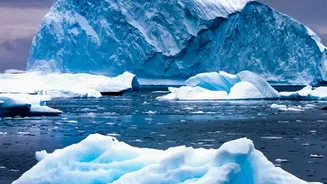
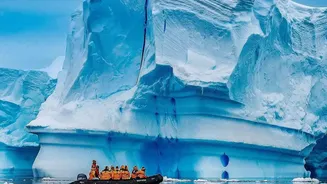
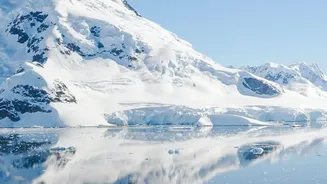
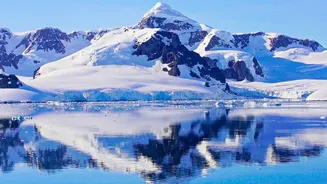
Much of the focus is on West Antarctica, home to the enormous Thwaites Glacier. Often called the 'Doomsday Glacier', it acts like a cork, holding back a vast amount of inland ice. If it were to collapse entirely, it could trigger a wider destabilisation
of the West Antarctic Ice Sheet, which holds enough frozen water to raise global sea levels by several metres. New research based on satellite data reveals that fractures and cracks in the glacier's supporting ice shelf are expanding faster than previously thought. This indicates that the glacier is becoming structurally weaker, losing its grip on the seafloor and making it more vulnerable to the warming ocean waters melting it from below.
What The Latest Research Reveals
Recent studies paint a stark picture. One major finding from early 2026 suggests that some of Antarctica's key ice basins, including the one containing Thwaites, may have already passed their tipping points. A tipping point is a threshold beyond which a system changes rapidly and irreversibly. Researchers from the Potsdam Institute for Climate Impact Research found that with today's level of global warming, about 40 percent of the ice in West Antarctica might already be committed to long-term loss. This doesn't mean an overnight collapse, but that the process of significant melting is now locked in and will unfold over the coming centuries, regardless of future emission cuts.
An Unstoppable, Self-Sustaining Process
The mechanism driving this is known as 'marine ice sheet instability'. Because much of West Antarctica's ice rests on bedrock that is below sea level and deepens inland, as warm ocean water melts the glacier's edge, the grounding line (where ice meets the seafloor) retreats into deeper water. This makes the ice front even more unstable, exposing a thicker cliff of ice to the ocean and accelerating the retreat. Some modelling studies conclude that once this process truly begins, it becomes self-sustaining. Even if the warming of the ocean were to stop, the dynamic of the ice sheet itself would continue to drive the collapse over hundreds or thousands of years. This is what scientists refer to as 'committed sea-level rise'.
The Impact on Global Sea Levels
The numbers are sobering. The complete collapse of the Thwaites Glacier alone could eventually raise global sea levels by about 65 centimetres. If it brings the rest of the West Antarctic Ice Sheet with it, that figure rises to several metres. While these catastrophic scenarios would unfold over centuries, the process has begun. Projections suggest we could see between one and two metres of sea level rise by the year 2100, depending on global emissions and the behaviour of these ice sheets. Even this more immediate rise would be devastating for coastal communities worldwide.
Why This Matters for India
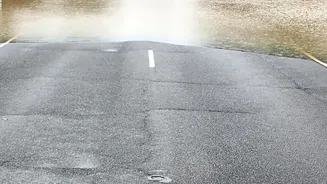
For India, with its 7,500-kilometre coastline and densely populated coastal plains, this is not a distant problem. Major metropolitan areas like Mumbai, Kolkata, Chennai, and Surat are extremely vulnerable to rising sea levels. A rise of even one metre would threaten homes, critical infrastructure, and freshwater sources for millions of people. It would also increase the destructive power of storm surges, leading to more frequent and severe coastal flooding. The fate of Antarctica's ice is directly linked to the future security and economic stability of India's coastal regions. The science is clear: what happens in Antarctica does not stay in Antarctica.