





A Groundbreaking Polar Mission
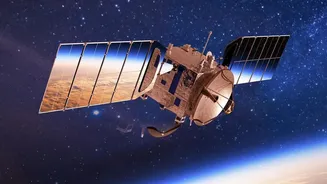
For the first time, scientists have a continuous, two-year record of the invisible heat radiating from the Arctic and Antarctic. This breakthrough comes from NASA's Polar Radiant Energy in the Far-InfraRed Experiment, or PREFIRE, mission. Launched in the spring
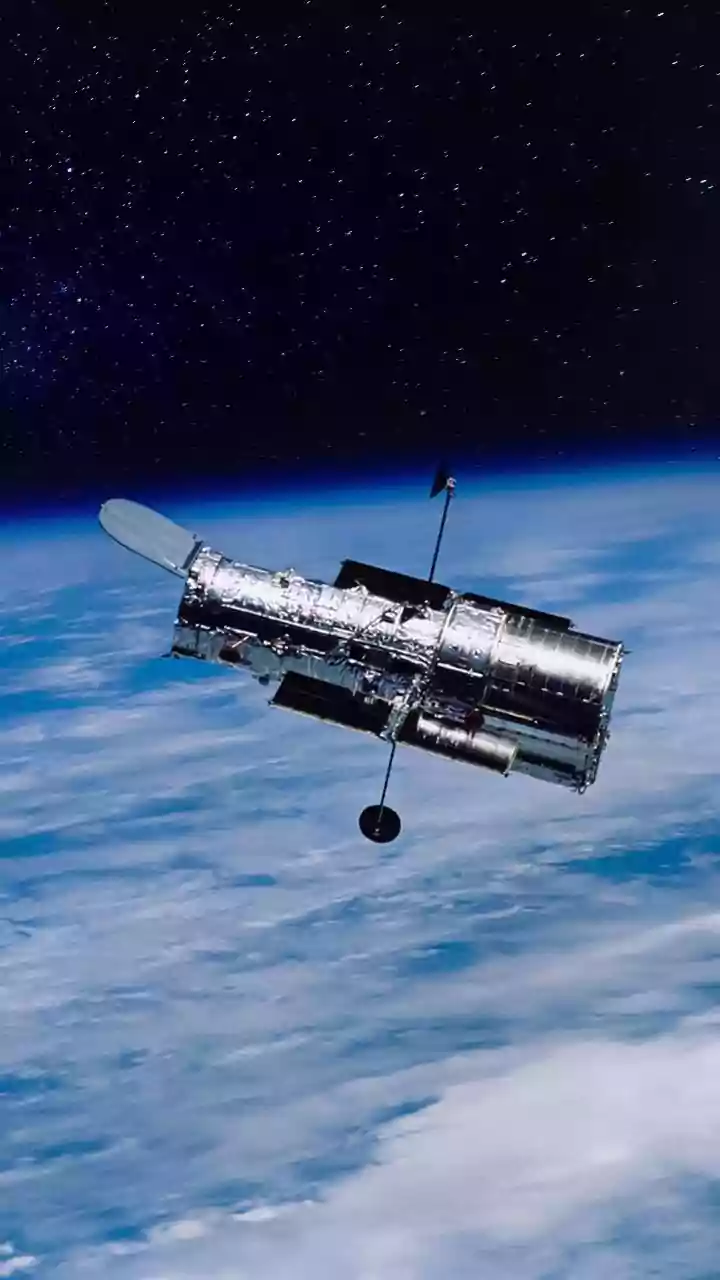
of 2024, the mission uses a pair of shoebox-sized satellites, called CubeSats, to measure a type of energy that had never been systematically tracked before. These tiny but powerful orbiters began collecting data in July 2024 and have now captured two full seasonal cycles at each pole, providing an unprecedented look into how Earth’s coldest regions regulate the planet's temperature.
The Mystery of Far-Infrared Light
Earth maintains its temperature by balancing the energy it absorbs from the sun with the heat it radiates back into space. Much of this outgoing energy travels as far-infrared radiation—wavelengths of light that are invisible to the human eye. In fact, scientists have known that this far-infrared range accounts for nearly 60 percent of the energy Earth loses to space, but it had never been comprehensively measured. The poles are critical to this process. Weather and ocean currents transport excess heat from the tropics toward the Arctic and Antarctic, where it is released. The PREFIRE mission was designed specifically to fill this knowledge gap, using advanced spectrometers to measure these emissions and understand how they are influenced by factors like clouds, water vapor, ice, and snow.
What the New Data Reveals
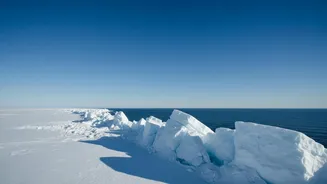
The two years of observations have produced stunning animations showing the dramatic pulse of surface temperatures at both poles. Because they sit in opposite hemispheres, their seasons are opposed, but the data shows their climates are also fundamentally different. In the Arctic, summers are warm enough to melt vast stretches of sea ice and tundra. In contrast, Antarctica, the coldest continent on Earth, rarely sees temperatures climb above freezing even in summer. By tracking far-infrared emissions through these cycles, scientists can see how efficiently heat escapes in different conditions. This helps explain why the poles are changing so rapidly and what it means for the rest of the planet.
Why Polar Heat Matters to Everyone
What happens in the Arctic and Antarctic does not stay there. These regions act as the world's refrigerator, and changes to their ability to shed heat have global consequences. The Arctic is warming more than twice as fast as the rest of the planet, a phenomenon that contributes to rising sea levels, destabilizes weather patterns, and can even impact food security by affecting crops with unpredictable weather. The data from PREFIRE is crucial for improving climate models. With a clearer picture of the poles' energy budget, scientists can create more accurate predictions about the future of sea ice, the intensity of storms, and the overall trajectory of our warming world.
A Mission Expanded
The success of the initial mission has led NASA to extend PREFIRE's operations through at least September 2026. Its focus is also broadening from the poles to the entire globe. By gauging how elements like water vapor and clouds trap heat planet-wide, the mission will provide vital information for improving weather forecasts and understanding climate dynamics on a larger scale. According to Tristan L'Ecuyer, the mission's principal investigator, PREFIRE is allowing scientists to see, for the first time, the full spectrum of energy that Earth radiates into space, which he calls critical to understanding climate change.