

A Tale of Two Clocks
The biggest question surrounding Munnar this September is simple: why is the Neelakurinji blooming now? Most nature lovers have the year 2030 marked on their calendars for the next great flowering, 12 years after the spectacular 2018 event at Eravikulam
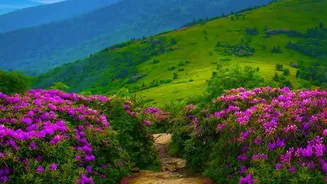
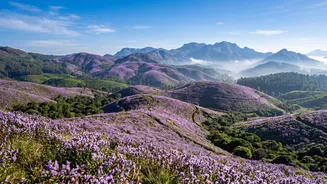
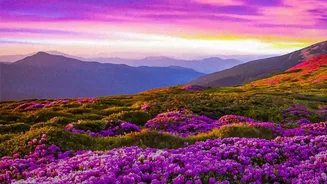
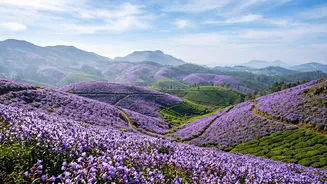
National Park. The current bloom doesn't mean the calendar is wrong; it just means Munnar operates on more than one floral clock. The Western Ghats are home to different populations of the Strobilanthes kunthiana shrub, and they don't all flower in unison. The population currently carpeting hillsides in blue last bloomed in 2014, making 2026 its scheduled return. So, while the famous Eravikulam bloom is still four years away, a different, equally genuine Neelakurinji cycle is creating a breathtaking spectacle right now.
Where to Witness the Purple Haze
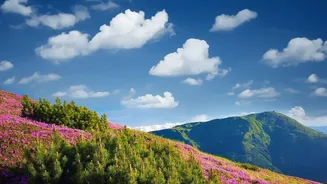
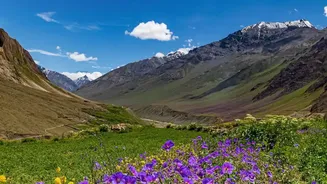
For those hoping to see this rare phenomenon, the bloom is not everywhere. The current flowering is concentrated in specific areas outside the more famous Eravikulam National Park. Reports from early September confirm that the hillsides around Chokramudi and the Mattupetty–Korandakkad region are the epicentres of the 2026 bloom. Areas like Sevenmala, Gundumala, and parts of Meesapulimala are also expected to see flowering as the month progresses. Authorities have been preparing for an influx of visitors, with plans for online booking slots and additional transport to manage the crowds and protect the fragile ecosystem. Unlike a manicured garden, the bloom's intensity varies from one patch of shola grassland to another, making the experience a true natural treasure hunt.
The Science Behind the Spectacle
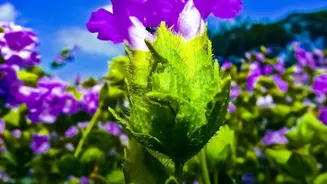
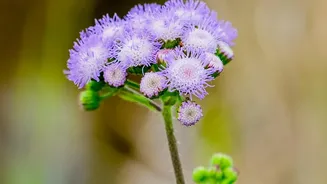
What makes the Neelakurinji so special is its unusual life cycle, a phenomenon known as gregarious flowering. The shrub grows for 12 long years, remaining purely vegetative before bursting into flower for a single, glorious season. After it blooms and produces seeds for the next generation, the parent plant dies, completing its cycle. This synchronized mass blooming is a survival strategy, overwhelming seed predators and ensuring that enough seeds survive to sprout. The flower grows at high altitudes, typically between 1,300 and 2,400 metres, in the unique shola-grassland ecosystems of the Western Ghats. Its name itself is a giveaway: 'Neela' means blue and 'Kurinji' is a local name for the flower, which together lent their name to the Nilgiri, or 'Blue Mountains'.
More Than Just a Pretty Flower
Beyond its visual appeal, the Neelakurinji is deeply embedded in the local culture and ecology. For the indigenous Paliyan tribal community, the 12-year cycle was traditionally used to calculate a person's age. The bloom also signals a time of abundance for honeybees, which produce a rare and highly valued honey from its nectar. Ecologically, the plant is a vital indicator of the health of the montane grasslands. However, this delicate habitat is under threat. The plant was recently added to the IUCN Red List as a threatened species, facing challenges from habitat loss due to plantations, invasive species, and climate change. Authorities have been strict about its protection, booking visitors for plucking the flowers, which is a protected species.