






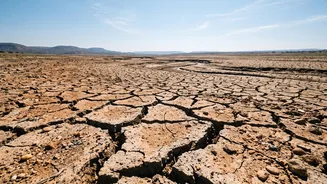
A 22% Shortfall
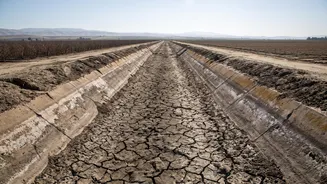
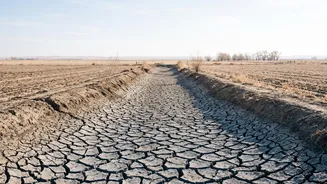
The IRSA has officially projected a 22% water shortage for the Rabi season. This deficit will primarily impact Pakistan's two main agricultural provinces, Punjab and Sindh, which are the country's breadbaskets. Under the distribution formula, the provinces of Balochistan
and Khyber Pakhtunkhwa are exempted from the cuts, meaning the burden of the scarcity falls squarely on the regions most responsible for national food production. The warning has raised serious concerns about the upcoming harvest, particularly for wheat, which is the main crop of the season.
Why is This Happening?
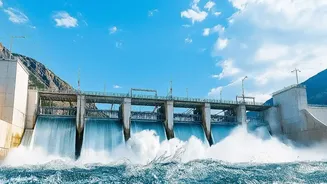
The crisis is rooted in a combination of factors, many of which are man-made. Reservoir storage levels are significantly lower than last year and below the ten-year average. As of the end of September, the country's reservoirs held 9.343 million acre-feet (MAF), a steep drop from 13.214 MAF at the same time the previous year. This was compounded by lower-than-expected river inflows during the preceding Kharif (summer) season, which were down 8% from projections and 22% from the previous year. Furthermore, IRSA has pointed to significant delays in key infrastructure projects at the Tarbela Dam, which prevented the storage of over three million acre-feet of water and has aggravated the shortages.
What's at Stake for Pakistan?
The implications of a 22% water shortage are severe. The Rabi season is when essential staple crops like wheat, barley, and gram are planted. Wheat is paramount to Pakistan's food security. A reduced water supply could force farmers to either rely more on expensive groundwater pumping, which many cannot afford, or accept lower crop yields. This comes at a time when the country is already grappling with high food inflation. Flour prices in September were already up by over 30% year-on-year in both urban and rural markets. The previous season's wheat harvest also fell short of its target by over 2 million tons, forcing the government to import wheat to meet domestic demand of 31.9 million tons. Another poor harvest could necessitate further costly imports, straining the national economy.
A Familiar Pattern of Scarcity
Water scarcity and disputes over its distribution are not new challenges for Pakistan. The country's agriculture is heavily dependent on the Indus River basin, with over 80% of its farmland relying on this irrigation system. The distribution of water among the provinces is managed by IRSA under the 1991 Water Accord, but this system comes under immense pressure during times of shortage. While some officials have attempted to blame external factors or neighbors for the water woes, Pakistan's own water regulator has identified internal issues like inadequate storage, inefficient management, and delayed infrastructure projects as the primary culprits. This recurring cycle highlights a deeper, more systemic vulnerability in how the nation manages its most vital natural resource.