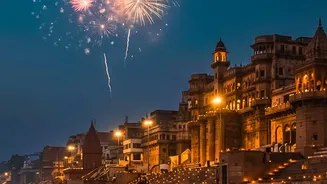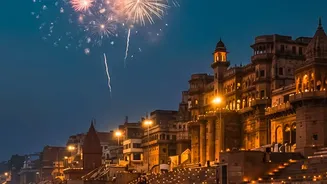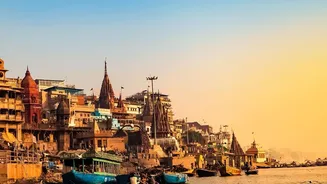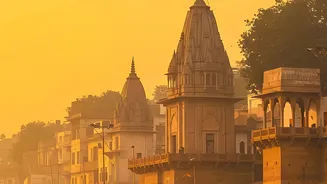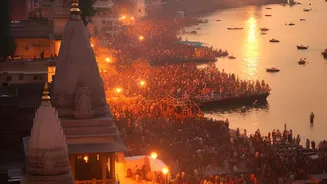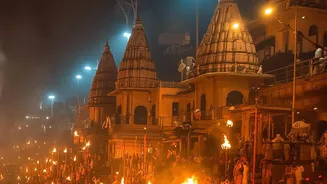





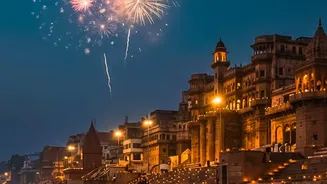

As dusk descends on Bihar, the air hums with devotion. Millions have flocked to riverbanks, their faces turned towards the setting sun. This is Sandhya Arghya, the emotional core of Chhath Puja, a timeless spectacle of faith unfolding once more.
An Offering to the Setting Sun
The heart
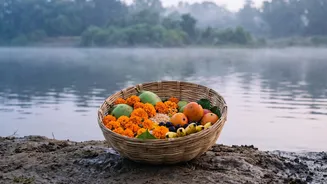
of Chhath Puja's third day is the Sandhya Arghya. As the sun begins its gentle descent, devotees, known as 'vratis', step into the holy waters of the Ganga and other rivers, standing waist-deep in prayer. They hold 'soops', or bamboo trays, laden with offerings—fresh fruits, coconuts, and the traditional sweet, Thekua. This offering is not just a ritual; it is a profound act of gratitude to Lord Surya, the Sun God, for sustaining life on Earth. Families gather around the vratis, creating a human chain of support and shared faith. The sight of countless diyas floating on the water, combined with the chorus of hymns, creates an atmosphere that is both serene and deeply powerful, a moment where the divine and the mortal seem to meet at the water's edge.
The Four-Day Journey of Devotion
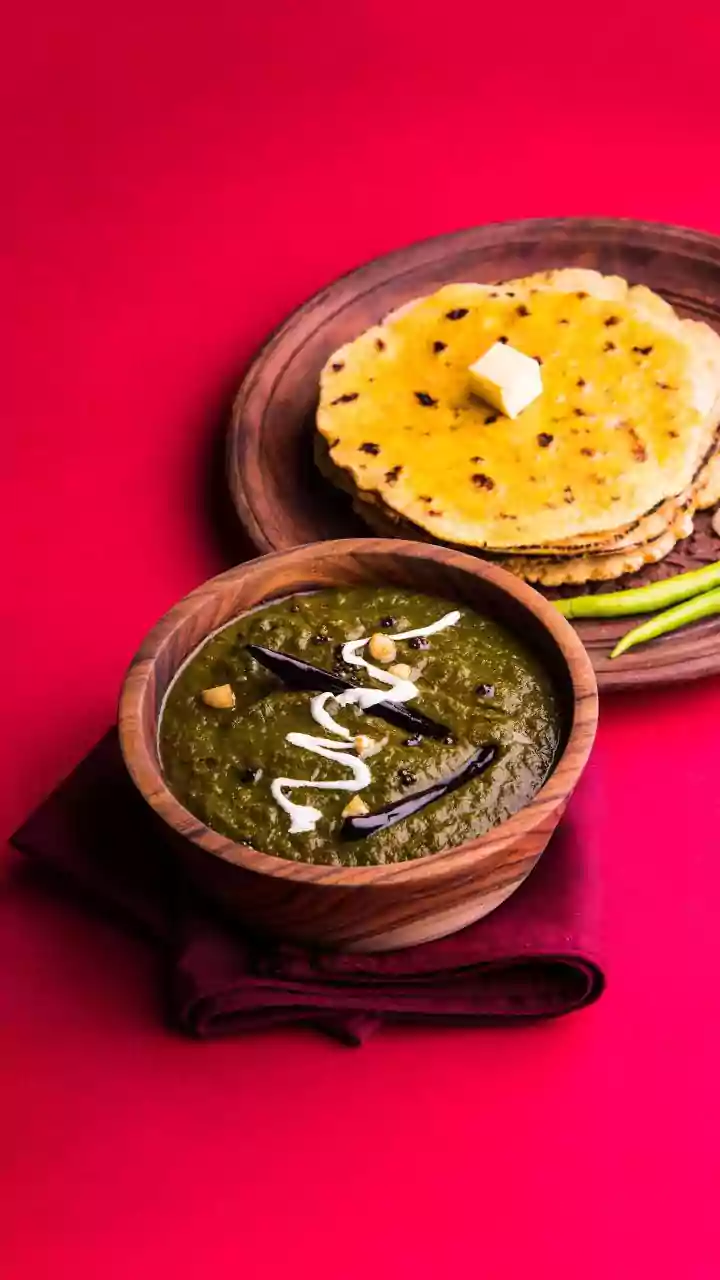
Chhath is not a single-day event but a rigorous four-day festival that demands immense discipline. The journey began two days ago with 'Nahay Khay' (bathe and eat), where devotees take a holy dip and consume a simple meal of rice, dal, and gourd. This was followed by 'Kharna', a day of fasting that culminates in an evening meal of kheer and rotis. Once this meal is consumed, the vratis begin a demanding 36-hour fast, abstaining from both food and water. This period of penance continues through the Sandhya Arghya and only concludes after the 'Usha Arghya', the offering to the rising sun on the final day. Each step is steeped in tradition, a testament to the unwavering commitment of the devotees.
The Sights and Sounds of the Ghats
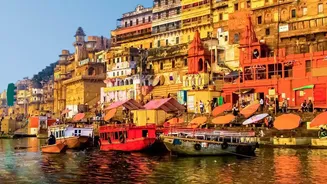
The ghats of Bihar, especially in cities like Patna, transform into a vibrant mosaic of human faith during Chhath. The riverbanks are a riot of colour, with women in bright sarees and men in traditional attire. The air is thick with the fragrance of incense, ghee, and the earthy smell of wet clay. The most distinctive sound is the continuous melody of Chhath folk songs. Sung by families and broadcast over loudspeakers, these songs narrate the story of 'Chhathi Maiya'—the goddess worshipped during the festival—and praise the Sun God. Children run along the banks, soaking in the festive spirit, while elders oversee the rituals. It is a community festival in the truest sense, where social barriers dissolve, and everyone comes together to celebrate this shared heritage.
A Festival of Purity and Gratitude
At its core, Chhath Puja is a festival of purity, discipline, and environmental consciousness. The emphasis on cleanliness is paramount; devotees meticulously clean their homes and the surroundings of the ghats. The offerings consist of natural and seasonal produce, highlighting a deep connection to nature. While Lord Surya is the primary deity, the festival is also dedicated to Chhathi Maiya, also known as Usha, the sister of the Sun God. Devotees pray to her for the longevity, prosperity, and wellbeing of their children and family. This dual reverence makes Chhath a unique celebration, blending solar worship with the worship of a mother goddess who protects and nurtures.
Bihar's Massive Undertaking
Facilitating this massive congregation is a monumental task for the state administration. Months in advance, preparations begin to make the ghats safe and accessible. Riverbanks are fortified, temporary bridges are built, and extensive barricading is installed to prevent accidents. To ensure safety, teams from the National Disaster Response Force (NDRF) and State Disaster Response Force (SDRF) patrol the waters. The entire area is illuminated, turning night into day to allow for any pre dawn rituals of final day. Special changing rooms are set up for women and medical teams are on standby. This logistical feat ensures that millions can observe their sacred traditions peacefully showcasing a remarkable collaboration between people and government.