




The Science of Porous Hair
To understand why beetroot works better on some hair types, we need to talk about porosity. Think of each hair strand as being covered in tiny, overlapping scales called cuticles. In healthy, 'low-porosity' hair, these cuticles lie flat and tight, forming
a protective barrier. This makes it hard for moisture—and colour molecules—to get inside. Chemical treatments like bleaching, colouring, or relaxing, as well as heat styling and environmental damage, can lift and roughen these cuticles. This creates a 'high-porosity' state. While this makes hair prone to dryness and frizz, it also means it has a much greater ability to absorb substances applied to it. The gaps in the cuticle layer essentially leave the door wide open for pigments to enter and stain the inner cortex of the hair.
Meet Betanin: Nature’s Red Pigment
The vibrant colour of beetroot comes from a group of water-soluble pigments called betalains. The specific pigment responsible for that deep red-violet shade is betanin. Unlike permanent chemical dyes that use ammonia or peroxide to force the hair cuticle open and alter your natural melanin, betanin works more like a stain. It's a large molecule that coats the hair shaft and, in the case of porous hair, slips into the gaps under the raised cuticles. This is why the effect is temporary; the pigment isn't creating a permanent chemical bond and will gradually wash out over time, typically within a few washes. For hair that is already light, grey, or bleached, this staining effect is much more visible. On dark hair, the result is usually a very subtle reddish sheen that's most noticeable in direct sunlight.
A DIY Guide to a Beetroot Tint
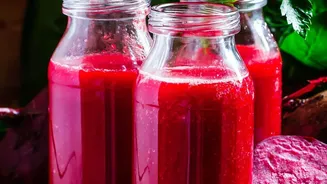
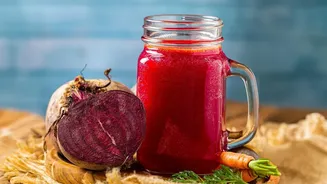
Curious to try it? The process is simple, though it can be messy. You'll need one or two fresh beetroots, a carrier oil like coconut or olive oil, and protective gloves. First, prepare the juice by either using a juicer or by boiling chopped beets until soft and then blending them into a paste. Straining this mixture through a cheesecloth or fine sieve will give you a smoother liquid to work with. Mix the concentrated juice with a tablespoon or two of oil; this helps with even application and adds conditioning benefits. Apply the mixture thoroughly to clean, dry or damp hair, starting from the roots and working your way to the tips. Be sure to protect your hairline, ears, and neck with petroleum jelly to prevent skin staining. Wrap your hair in a shower cap and let the mixture sit for at least one to two hours before rinsing with cool water. It's best to avoid shampooing for at least 24 hours to help the colour set.
Managing Your Colour Expectations
The most important thing to remember is that beetroot provides a temporary tint, not a dramatic transformation. The final colour is highly dependent on your starting hair colour and its porosity. Light blonde or grey hair will likely see the most vibrant pinkish-red results. For those with light brown hair, the effect will be more of a subtle reddish or auburn wash. On dark brown or black hair, don't expect a noticeable colour change indoors; the payoff will be a faint burgundy or purple glint in the sun. The colour is not permanent and will fade with each wash, lasting anywhere from two to six washes depending on your hair care routine. To maintain the tint, you may need to reapply the mask weekly.
The Pros and Cons to Consider
The biggest advantage of using beetroot is that it's a completely natural, chemical-free way to play with colour. It’s packed with nutrients like iron and vitamins that are beneficial for scalp health and can add a beautiful, natural shine to your strands. However, it does have its downsides. The most common issue is the potential for staining everything—your skin, clothes, towels, and bathroom surfaces. While rare, allergic reactions or scalp irritation can occur, so a patch test is always recommended. The result is also unpredictable and temporary. If you are looking for long-lasting, uniform colour coverage, especially for grey hair, a natural vegetable dye like beetroot might not meet your expectations on its own, though it can be mixed with henna for more potency.