

The Primal Allure of Earth's Fury
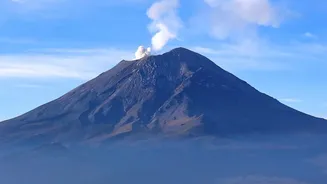
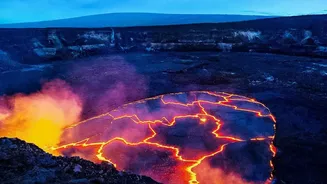
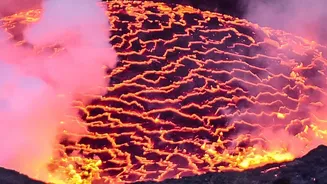
Volcano tourism is booming as adventurous travelers seek to witness the planet creating new land in real time. The appeal is undeniable: the glowing rivers of molten rock, the steam rising from fissures, and the sheer scale of the geological forces at play.
This type of travel offers a front-row seat to one of nature's most dramatic events. Destinations from Iceland to Italy and Hawaii have become hotspots for those wanting to experience this natural wonder, drawn by the unique landscapes and the thrill of seeing a volcano up close. This interest has created significant opportunities for local economies, turning geological hazards into valuable assets.
From Danger Zone to Viewing Platform
Making a volatile environment safe for visitors is a complex task rooted in science and constant vigilance. The foundation of safe volcano tourism is rigorous monitoring. Scientists use a combination of technologies to watch for signs of an impending eruption. Seismometers detect underground tremors, GPS and radar satellites measure ground swelling as magma moves beneath the surface, and gas sensors analyze the air for volcanic gases like sulfur dioxide. This data helps authorities determine when and where it is safe for people to be. Based on this information, officials establish exclusion zones, create designated viewing areas, and manage crowd access to prevent people from getting too close to immediate danger.
Engineering for Safe Observation
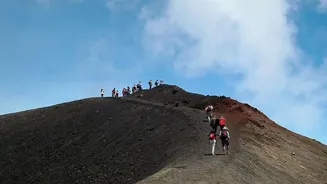
The infrastructure that enables volcano tourism is designed with safety as the paramount concern. This often involves creating marked and managed trails that guide visitors along the safest possible routes, avoiding unstable ground or areas where toxic gases can accumulate. These paths are often built on hardened, older lava flows and are situated to offer spectacular views from a secure distance. In places like Hawaii's Volcanoes National Park, authorities implement measures such as closing roads or trails that are in the path of new lava flows and managing parking to control the number of visitors. Viewing platforms are strategically placed to keep tourists out of harm's way, particularly away from valleys or low-lying areas that could channel fast-moving lava or dangerous pyroclastic flows.
Where to See the Spectacle Safely
Several locations around the world have become models for well-managed volcano tourism. In Iceland, the Fagradalsfjall eruptions drew thousands of visitors who hiked on marked paths to see the glowing lava flows. Italy’s Mount Etna and Stromboli are iconic destinations offering guided treks. In Hawaii, Kilauea, located within a national park, has long been a popular site, attracting over a million visitors annually with its accessible viewing points and ranger-led programs. In each of these places, the key to a safe experience is the combination of scientific monitoring, clear rules for visitors, and the presence of official guides and emergency services. Tourists are consistently reminded to follow official guidance, as conditions can change rapidly.
Risk Is Never Zero
Despite the best safety measures, it's crucial for tourists to remember that active volcanoes are inherently unpredictable. A situation can shift from calm to deadly with little warning. Authorities emphasize that rules are in place for a reason; staying on marked trails, respecting closed-off areas, and listening to emergency personnel are non-negotiable. Invisible dangers like toxic gases and unstable ground can pose a threat even when an area looks safe. Visitors are advised to be prepared with proper gear, including sturdy footwear, water, and flashlights, and to always prioritize safety over getting the perfect photo. The most important rule is to follow the advice of local authorities who have intimate knowledge of the volcano's behavior.