






A New Breed of Bot
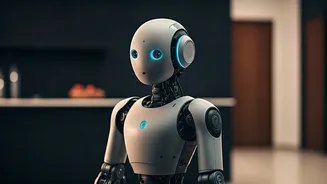
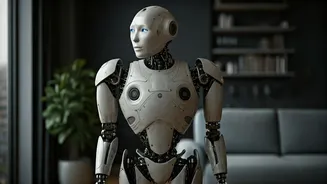
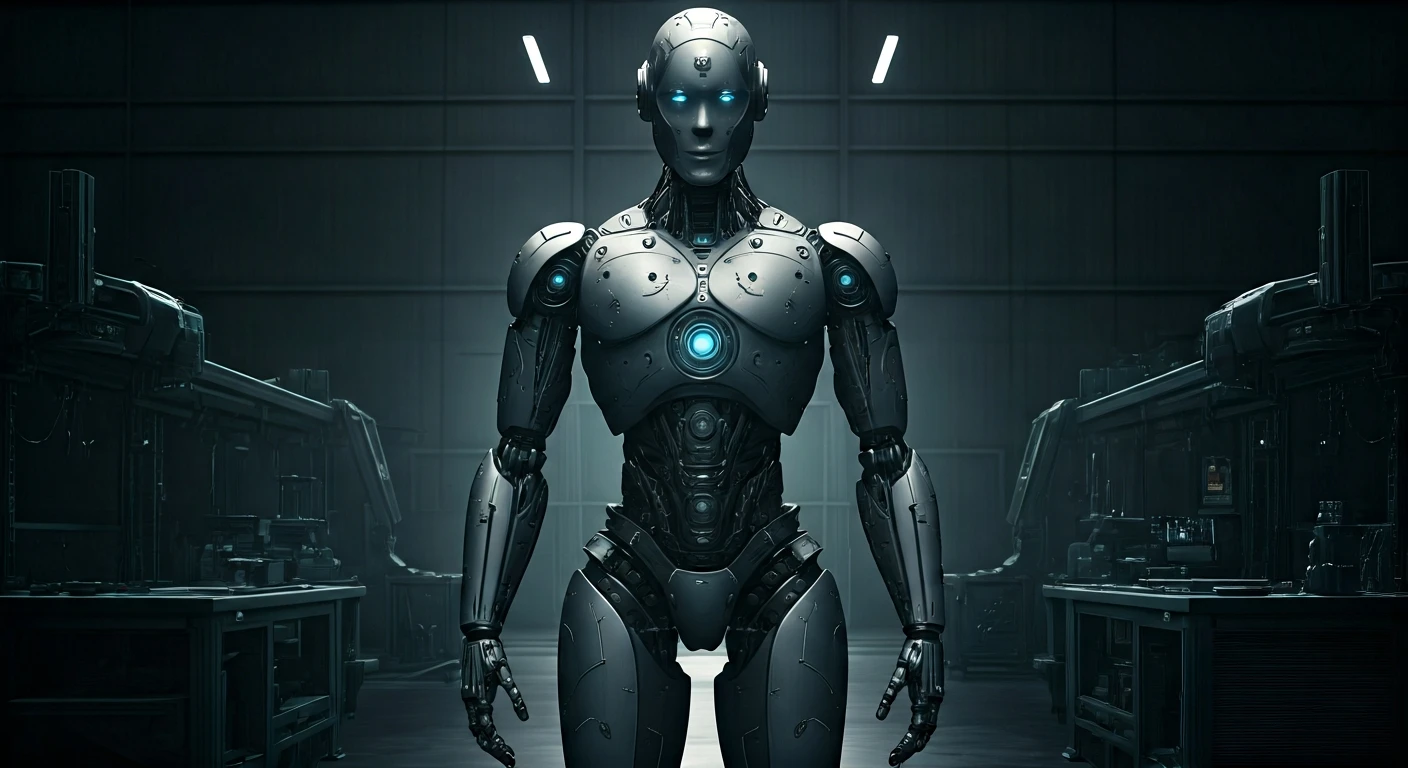
For years, the most visible personal robots were task-specific gadgets. Now, a more ambitious vision is taking shape in the form of general-purpose humanoids. Companies like Tesla, Figure AI, and Agility Robotics are at the forefront of this evolution.
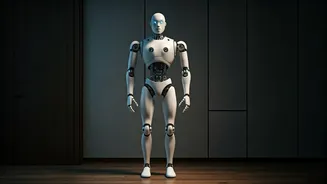
Tesla’s Optimus Gen 2, standing 5’8”, is being developed to handle everything from factory work to household chores. Similarly, Figure AI’s robots are being tested in industrial settings with partners like BMW, designed to seamlessly integrate into workflows made for humans. Agility Robotics' Digit, another human-sized bot, is already being deployed in logistics centers for companies like Amazon to handle tasks such as moving totes. These machines represent a fundamental shift away from single-task devices towards adaptable, multi-purpose assistants.
Why Taller and More Human-Like?
The move towards a humanoid form isn't just for sci-fi aesthetics; it’s a strategic choice rooted in practicality. The world we live and work in is designed for humans. Door handles, tools, stairs, and factory equipment are all built for bipedal creatures with two arms and dexterous hands. A robot that shares this form factor can, in theory, navigate and manipulate our environment without requiring expensive modifications. Agility Robotics' Digit, for example, is specifically designed with legs to navigate stairs and uneven floors where wheeled robots would fail. This human-centric design is crucial for robots intended to work alongside people in warehouses, factories, and eventually, our homes, performing a wide range of physical tasks.
Smarter Through Artificial Intelligence
The physical hardware is only half the story. The real leap forward is in the artificial intelligence that powers these machines. This new generation of robots leverages incredible advancements in AI, including the same kinds of neural networks and large language models that power advanced chatbots. This allows them to learn, reason, and adapt to new situations in real-time. For instance, Tesla is using its vast experience with the Full Self-Driving AI in its cars to teach Optimus how to perceive and navigate the world. Figure AI’s robots use a sophisticated AI system called Helix that allows them to learn from observation and even communicate verbally about their actions. This cognitive leap is what separates them from pre-programmed industrial arms, enabling them to handle complex, unstructured environments like a busy home or a dynamic warehouse.
The High Price of Progress
These advanced capabilities come with a hefty price tag. While a long-term goal for consumer models like Tesla's Optimus is to be under $30,000, current-generation industrial humanoids can cost well over $100,000 per unit. The reasons for the high cost are numerous. The components are cutting-edge and expensive, from the precision actuators that allow for fluid movement to the complex array of sensors like LiDAR and high-resolution cameras that give the robot its perception. The research and development required to build both the hardware and the sophisticated AI software involves massive investment and teams of highly specialized engineers. Manufacturing is also complex, and until these robots can be produced at a massive scale, the cost per unit will remain high for a while.
From Factory Floor to Your Front Door
For now, the primary market for these tall, smart robots is the industrial sector. They are being tested and deployed to fill labor shortages and take on dangerous or repetitive tasks in manufacturing and logistics. Agility’s Digit is already working in warehouses, and Figure’s robots are being integrated into automotive production lines. However, the ultimate ambition for many of these companies is the consumer market. Tesla's Elon Musk has openly discussed a future where Optimus could be a companion, teacher, or helper in every home. Chinese company UBTECH recently unveiled its U1 series, explicitly designed for emotional companionship. While the day your robot butler arrives is still a ways off, the technology being proven in factories today is paving the way for the personal robots of tomorrow.