






The Wall as a Grand Canvas
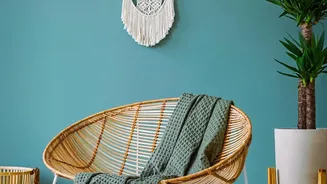
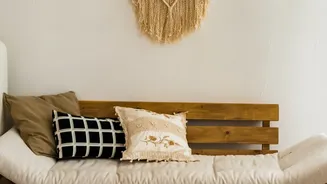
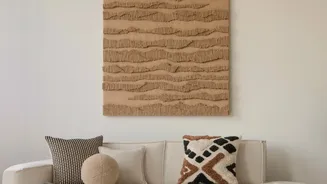
The most impactful way to use an oversized textile is as a wall hanging or tapestry. Unlike a traditional painting, a large fabric piece introduces softness, texture, and often a sense of warmth. A woven wall hanging with natural fibres can create a grounding,
earthy feel, while a vibrant, block-printed cotton tapestry can serve as a stunning focal point, anchoring the decor of an entire room. This approach is particularly effective behind a sofa or as a dramatic headboard in a bedroom. It adds a significant visual element without the permanence of wallpaper, making it an excellent choice for renters.
Draped for Comfort and Style
Beyond the wall, oversized textiles excel as luxurious throws and drapes. A large, plush blanket casually draped over the back of a sofa or folded neatly at the foot of a bed adds a layer of comfort and an inviting feel. This is a simple way to introduce a new colour or pattern into your space without a major commitment. You can also use a beautiful textile, like a vintage sari or a lightweight dhurrie, as a unique tablecloth or even as a creative room divider. Hung from a rod, it can help define zones in an open-plan living area while maintaining a sense of flow.
A Foundation on the Floor
Don't limit beautiful fabrics to your walls and furniture. Certain oversized textiles make for excellent and unique floor coverings. Large, flat-weave pieces like kilims or dhurries are durable and can define a space, such as a seating area in a large room or a play zone in a child's bedroom. Layering a textile over an existing carpet is another popular designer trick. It adds depth, texture, and a bohemian flair. This is a fantastic way to hide worn-out spots on an old carpet or simply to experiment with different patterns on your floor.
Choosing the Right Textile
When selecting an oversized textile, consider both the material and the design. For wall hangings, lighter fabrics like cotton are easier to mount, while heavier materials like wool or macrame add more substantial texture but require stronger support. Think about your existing decor. A neutral, minimalist room might benefit from a textile with a bold, graphic pattern, while a more eclectic space could handle a fabric with intricate details and multiple colours. Don't be afraid to mix textures—pairing a soft, woven textile with sleek leather furniture or a rough jute rug can create a balanced and interesting look.
Hanging and Care Tips
Hanging your textile properly is key to making it look its best. For lightweight pieces, nails or even strong adhesive hooks might suffice. For heavier tapestries, it’s best to use a curtain rod or a dedicated tapestry rod to distribute the weight evenly and prevent sagging. Some people mount the fabric onto a thin wooden board, which can then be hung like a traditional framed piece. When it comes to care, always check for a label with instructions. Most decorative textiles should be vacuumed gently with a brush attachment to remove dust. For spills, spot cleaning is often recommended. If you must wash it, do so gently by hand and avoid harsh wringing. To prevent fading, try to display your textile away from direct, harsh sunlight.