





The Problem with Starlight
Imagine trying to read a book using a flickering candle. The flame sputters, brightens, and dims, making it hard to see the words clearly. Astronomers face a similar issue when they study exoplanets—planets orbiting other stars. The goal is to see the faint
light that has passed through a planet's atmosphere, which carries chemical clues about that distant world. But the host stars are not perfect, steady light sources. They have dark 'starspots' and bright 'faculae' that bubble on their surfaces, constantly changing and rotating. This stellar activity can create false signals or hide real ones, making it incredibly difficult to know if a signal for, say, water vapour is coming from the planet's atmosphere or the star itself.
Enter Pandora: A Specialist Satellite
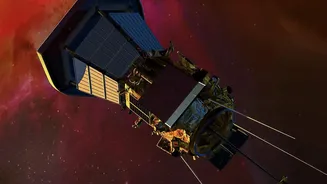
This is where Pandora comes in. Launched in January 2026, Pandora is a small but mighty NASA mission, the first in its Astrophysics Pioneers program, which focuses on low-cost, fast-paced projects. Unlike giant observatories designed for broad surveys, Pandora is a specialist. Its prime mission is to study about 20 known exoplanets in extreme detail to solve the problem of 'stellar contamination'. It's not about finding new planets, but about making our understanding of existing ones much, much sharper. By focusing on this one crucial task, the small satellite plays a huge supporting role in the grand search for habitable worlds.
The Art of the 'Long Stare'
Pandora's clever method is right in the headline: long stares. The satellite will target a star and its planet, observing them continuously for about 24 hours at a time. It will repeat this process about ten times for each of its targets over its year-long mission. During this extended observation, Pandora uses instruments that can see in both visible and near-infrared light simultaneously. This long stare allows it to create a detailed map of the star's own behavior—tracking its spots and flares as they rotate in and out of view. By building such a precise model of the star's flickering, scientists can then digitally subtract that 'noise' from the data.
A Perfect Partner for the Webb Telescope
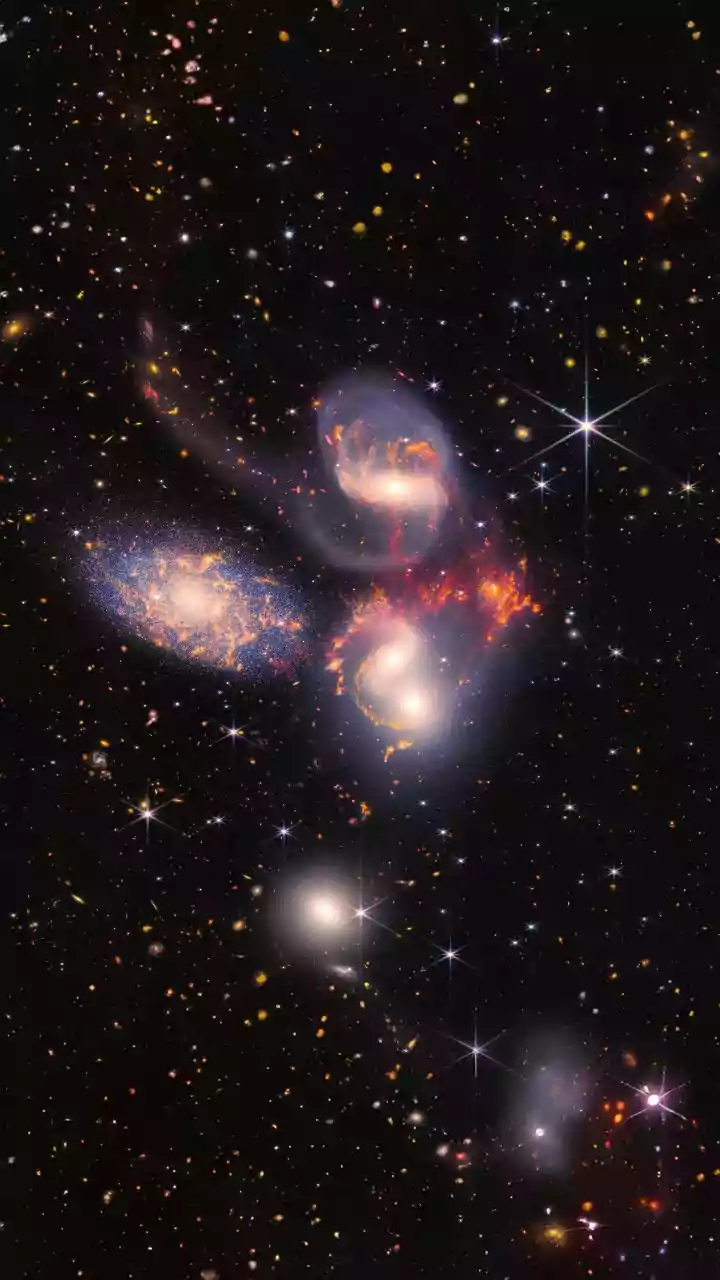
Pandora isn't designed to work alone; it's a team player. Its greatest strength is its synergy with powerful observatories like the James Webb Space Telescope (JWST). While JWST has the incredible power to detect the faint chemical fingerprints in an alien atmosphere, its time is extremely valuable and it can't afford to spend long days just staring at one star to map its spots. Pandora does that groundwork. It provides the 'clean' data of the star, allowing scientists to confidently interpret the atmospheric data collected by Webb. In essence, Pandora tidies up the cosmic crime scene so the lead detective, Webb, can spot the real clues without being misled by stellar static. This teamwork is crucial for confirming the presence of molecules like water, methane, and others that could be signs of a potentially habitable environment.