







The Science of the Scald
Coffee is typically brewed using water between 195°F and 205°F (about 90°C to 96°C) to properly extract flavor from the grounds. This results in a beverage that is served somewhere between 160°F and 185°F (71°C to 85°C), a temperature range capable of causing
significant scald burns to the sensitive tissues in your mouth. Some health experts suggest drinking beverages below 149°F (65°C) to avoid potential damage to the esophagus. That initial, searing heat overpowers your taste buds, meaning you're not tasting the coffee's complexity, just the pain. Your body's natural reaction is to register the heat as a threat, effectively muting your ability to perceive subtle flavors.
Finding the Flavor Sweet Spot
The magic of a great cup of coffee truly reveals itself as the temperature drops. According to coffee professionals and sensory scientists, the optimal drinking temperature is between 120°F and 140°F (about 49°C to 60°C). Within this range, the perception of bitterness softens, sweetness becomes more prominent, and the nuanced notes of the roast—be they fruity, floral, or chocolaty—finally shine through. One study even identified an optimal drinking temperature of approximately 136°F (58°C) by balancing safety and taste satisfaction. Drinking coffee when it's too hot masks these delicate compounds, while letting it get too cold can make it taste flat or overly acidic.
A Quick Lesson in Cooling
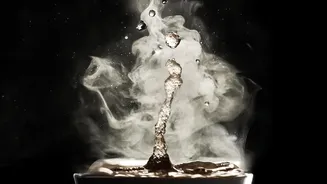
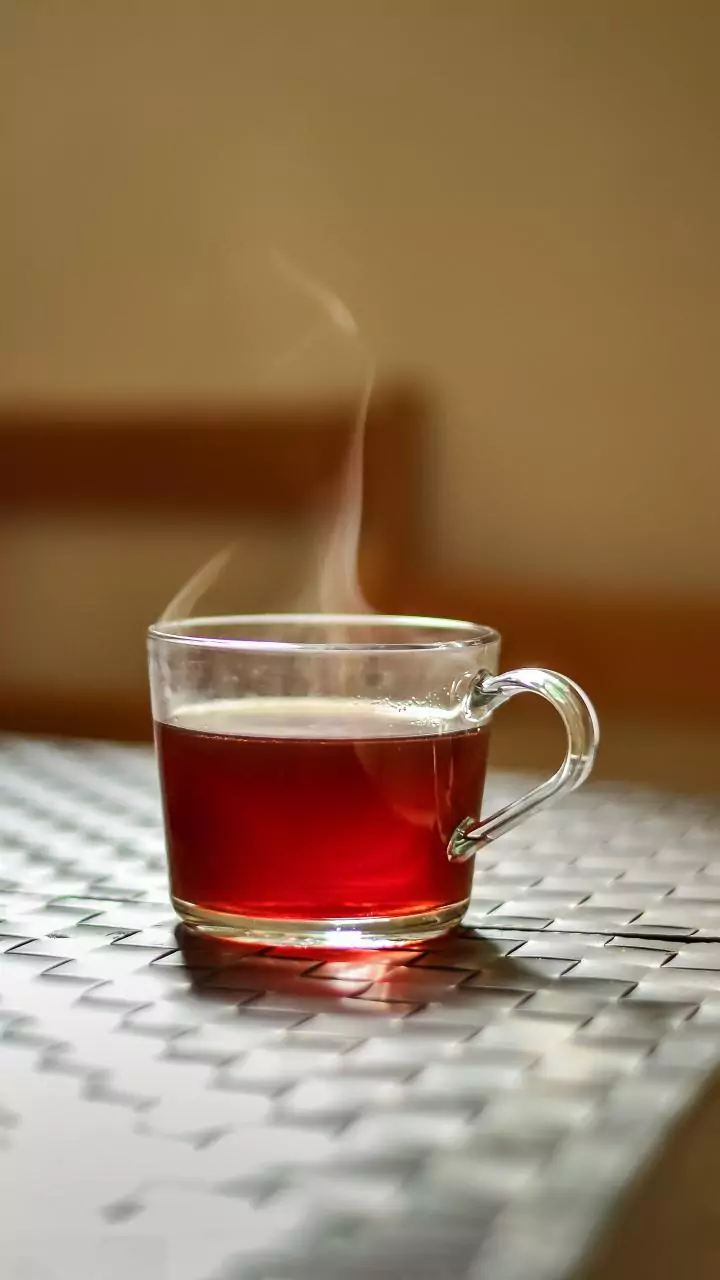
So, what’s happening in your mug while you wait? It’s a lesson in basic physics. Heat naturally moves from a hotter object to its cooler surroundings until they reach equilibrium. This happens in a few ways with your coffee. Conduction is heat transferring directly to the mug and the surface it’s sitting on. Convection occurs as the hot liquid at the surface heats the air above it, which then rises and is replaced by cooler air. Finally, evaporation plays a huge role; as steam rises from the surface, it carries a significant amount of heat away with it. According to Newton's Law of Cooling, the rate of heat loss is greatest when the temperature difference between the coffee and the room is largest. This means your coffee cools fastest right after it's poured and slows down as it approaches room temperature.
How Long Is Long Enough?
The time it takes for coffee to reach that ideal 120-140°F window depends on many factors: the starting temperature, the room's ambient temperature, the material and shape of your cup, and its surface area. A wider-mouthed mug, for example, will cool coffee faster because it exposes more surface area to the air, increasing the rates of convection and evaporation. As a general rule, you can expect to wait anywhere from 5 to 10 minutes for a standard ceramic mug of black coffee to descend from scalding to pleasantly sippable. One simulation showed it could take around 20 minutes for a cup to cool below 113°F (45°C). The best tool, however, is your own palate. A sip that’s warm and flavorful without being painful is the perfect indicator.
Patience Hacks for the Impatient
If waiting feels like an eternity, you can actively speed up the cooling process. Stirring the coffee is a simple but effective trick. It promotes convection within the liquid and brings hotter coffee from the bottom to the surface to cool faster. Blowing across the surface does something similar, replacing the warm, humid layer of air sitting above the liquid with cooler, drier air, which accelerates both convection and evaporation. Another classic method is adding cold milk or cream; this works simply by lowering the overall temperature of the liquid. For a more dramatic effect, you can pour the coffee back and forth between two mugs. This technique, sometimes used by professional tasters, rapidly increases the surface area exposed to the air, cooling the coffee very quickly.