








The Traditional Harvest Dilemma
For generations, the agricultural calendar has been a strict master. A late harvest, often caused by unpredictable weather, has traditionally meant lost income and marketing opportunities. When high-value, perishable goods like fruits, flowers, or vegetables
miss their peak window, options become limited. The longer they stay in the field, the greater the risk of spoilage, quality degradation, and yield loss. Sea freight, the backbone of global trade, is cost-effective but slow, taking weeks to cross oceans. For a farmer with a delayed crop of delicate mangoes or cherries, that timeline is simply unworkable. The produce would likely rot before ever reaching a distant supermarket shelf. This often forces them to sell into less profitable local markets or absorb a complete loss.
Aviation Changes the Equation
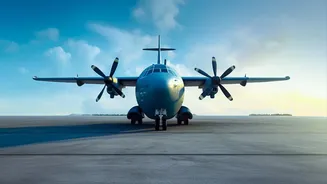
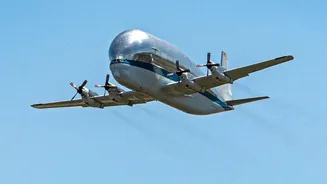
Air freight offers a powerful alternative: speed. What takes weeks by sea can be accomplished in 24 to 72 hours by air. This remarkable speed allows agricultural producers to bypass the constraints of traditional shipping timelines. A late-ripening crop can now be harvested, packed, and flown to an international destination, arriving fresh. This capability is transforming a fundamental weakness in agriculture into a strategic opportunity. Instead of facing a loss, farmers can now target premium price windows in overseas markets that are hungry for off-season or high-quality produce. This logistical pivot is not just about damage control; it’s about creating new value.
The Indian Mango Case Study
India's prized Alphonso and other mango varieties are a perfect example. Their season is eagerly awaited in markets from the Middle East to Europe. However, harvest times can be affected by variable monsoon patterns. A delay used to be a significant threat, but air cargo has changed the game. Indian exporters can now swiftly move consignments of high-value mangoes by air, ensuring they arrive in peak condition. This allows them to meet demand and command premium prices, even if the harvest is weeks later than usual. The practice is becoming increasingly common for a range of perishable goods, including litchis, berries, and fresh vegetables, boosting India's agricultural export potential.
The Economics of Speed
While air freight is significantly more expensive than sea transport, the economics often make sense for the right products. The extra cost is justified by several factors. Firstly, the drastically reduced transit time means far lower spoilage rates, ensuring more of the product reaches the end-consumer in a saleable state. Secondly, the ability to reach a market quickly allows exporters to capture peak prices, especially for luxury items or during holidays like Chinese New Year or Valentine's Day, which see a surge in demand for items like fresh cherries or flowers. Finally, for high-value goods like premium fruits, seafood, or flowers, the transport cost is a smaller percentage of the final retail price, making the air freight premium an acceptable business expense to guarantee freshness and quality.
Building Resilient Supply Chains
This trend goes beyond individual business opportunities. It points toward a more resilient and flexible global food supply chain. As climate change contributes to more erratic weather patterns and unpredictable harvest seasons, the ability to pivot logistics quickly is becoming essential for survival. The integration of sophisticated cold-chain logistics—temperature-controlled environments from farm to tarmac to retail—ensures product integrity throughout the rapid journey. This synergy of agriculture and aviation is not just helping farmers in a bind; it's building a system that can better withstand shocks, reduce food waste, and continue to feed a global population that demands fresh, high-quality food year-round.