


The Core Philosophy
To understand the difference, it helps to start with their origins. Pilates is a relatively modern system of exercise developed in the early 20th century by Joseph Pilates. Its original name, 'Contrology', says it all: it's a method focused on using the mind
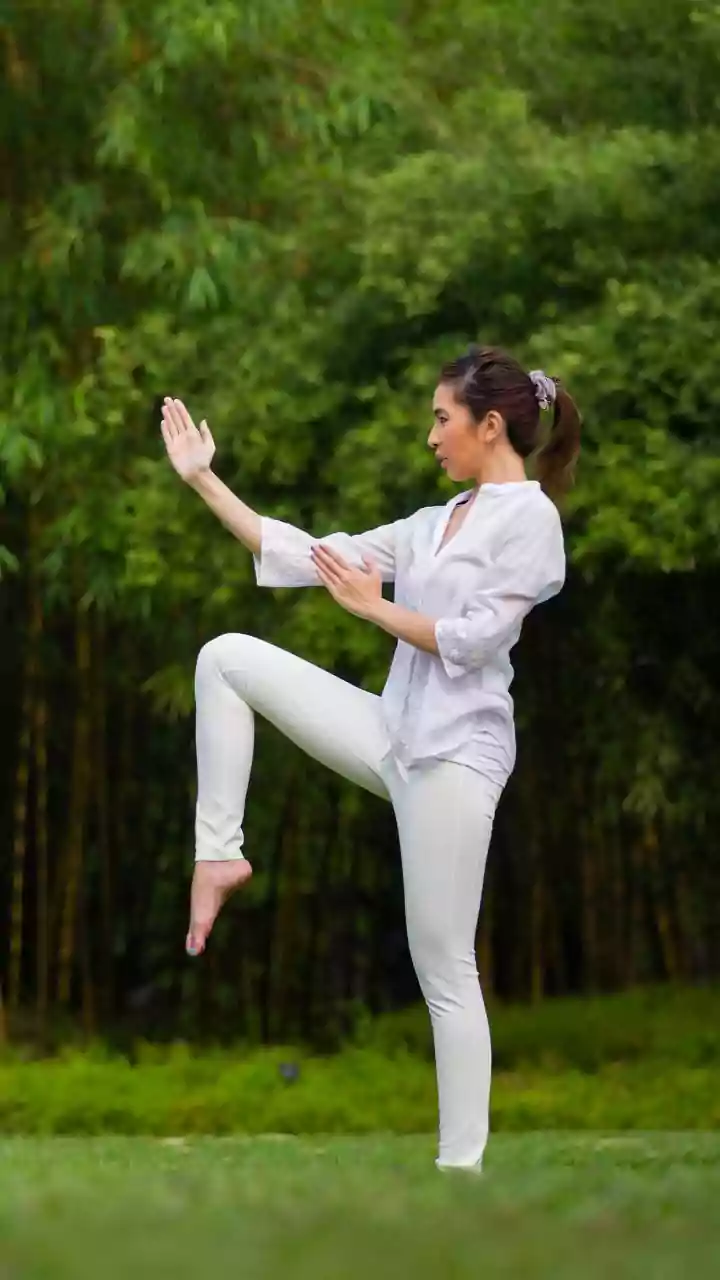
to control the body's muscles, with a heavy emphasis on strengthening the core or 'powerhouse' to improve posture and stability. Tai Chi, on the other hand, is an ancient Chinese internal martial art with roots in Taoist philosophy. It is often described as 'meditation in motion'. The practice is built on slow, graceful, and flowing movements that aim to cultivate 'Qi' or internal energy, creating harmony between mind and body. Where Pilates is a system of physical conditioning, Tai Chi is a holistic practice that blends health, meditation, and martial principles.
The Path to Better Balance
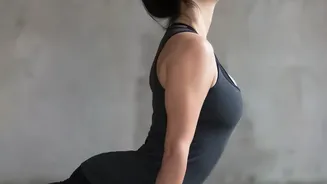
Both practices are excellent for improving balance, but they achieve it in distinct ways. Pilates builds balance from the inside out. By focusing on a strong core—the deep muscles of the abdomen, back, and pelvis—it creates a stable foundation for all movement. A strong and engaged core acts like an anchor, helping you maintain stability whether you're standing still or in motion. The precise, controlled exercises in Pilates train your body to maintain its center of gravity. Tai Chi takes a more dynamic approach. Its continuous, slow-motion weight shifting and coordinated stepping directly challenge and train your sense of balance in real-time. As you flow from one posture to the next, you are constantly making micro-adjustments, which improves body awareness and the connection between your brain and muscles. Research has shown that this makes Tai Chi particularly effective for improving stability and preventing falls, especially in older adults.
The Boost to Flexibility
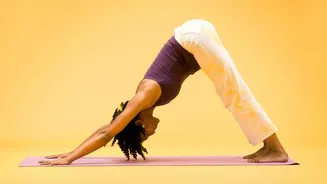
If you want to touch your toes, both Pilates and Tai Chi can help, but their approach to flexibility differs. Pilates often incorporates dynamic stretching, lengthening muscles as they are being strengthened. Many exercises, whether on a mat or a Reformer machine, take your muscles and joints through a full range of motion against some form of resistance, which helps to build long, lean muscle. Tai Chi fosters flexibility through gentle, continuous movement. Rather than holding a static stretch, the flowing forms encourage joints to move comfortably and naturally through their full range of motion. This improves mobility and eases stiffness without the strain of deep stretching, making it a very gentle option, especially for those with stiff joints or who are new to exercise.
Enhancing Coordination
Coordination is the ability to move different parts of the body together smoothly and efficiently. Pilates hones coordination through precision. Each exercise demands immense concentration to ensure correct form, breathing, and muscle engagement. You learn to isolate and control specific muscle groups while maintaining core stability, leading to more efficient and graceful movement in daily life. Tai Chi builds coordination by teaching the body to move as a unified whole. The choreographed sequences, or 'forms', require the hands, feet, torso, and head to all work together in a continuous, seamless flow. This whole-body awareness and the need to remember and execute long sequences of movement create a deep sense of physical and mental coordination.
So, Which Is Right for You?
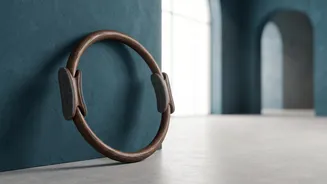
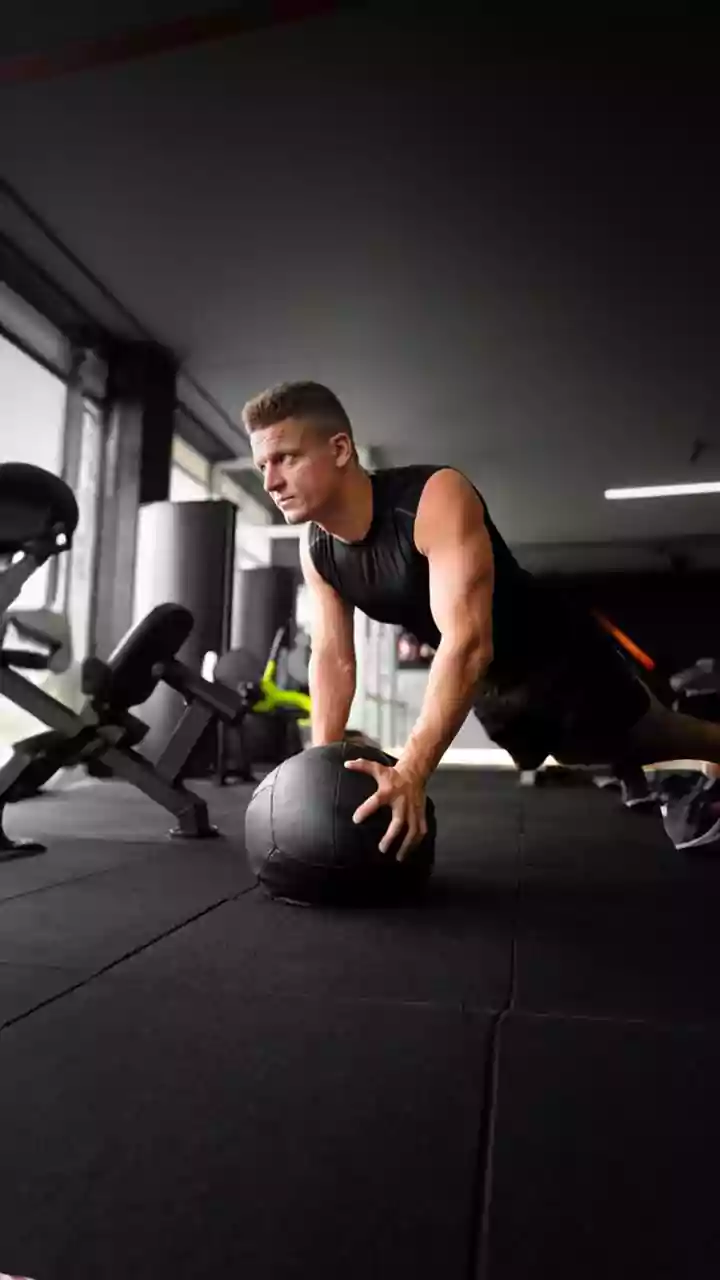
The best choice ultimately depends on your goals and personality. If you are looking for a structured, fitness-oriented workout that builds powerful core strength, tones muscles, and improves posture, Pilates is likely an excellent fit. It is often performed in a studio setting, either on a mat or specialized equipment. If you are drawn to a more meditative, gentle practice that improves balance, reduces stress, and connects mind and body through flowing movement, Tai Chi may be the better option. It requires no equipment and is often practiced in groups, outdoors or indoors. Many find its emphasis on calm focus to be as beneficial for the mind as the gentle movements are for the body.