







What Exactly is Rooibos Tea?
First things first, let's get acquainted. Rooibos, pronounced 'roy-boss', means 'red bush' in Afrikaans. It's made from the leaves of the Aspalathus linearis shrub, which grows exclusively in South Africa's Cederberg mountains. For centuries, it has been
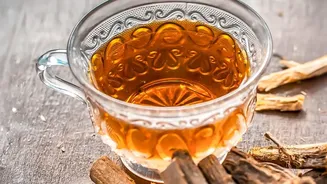
a beloved local beverage, but now it’s celebrated worldwide. The traditional method involves fermenting the leaves, which gives them their distinct reddish-brown colour and enhances their sweet, earthy flavour. Unlike green or black tea, rooibos is not a 'true' tea from the Camellia sinensis plant; it's a herbal infusion. This distinction is key to many of its most appealing qualities.
It's Naturally Caffeine-Free
If you love the ritual of a warm cup of tea but want to avoid the jitters, anxiety, or sleepless nights that caffeine can cause, rooibos is an excellent choice. The rooibos plant has no caffeine in its genetic makeup, making it a naturally stimulant-free drink. This means you can enjoy it any time of day, from a morning pick-me-up without the buzz to a calming ritual before bed. It’s a safe and soothing option for those sensitive to caffeine, pregnant, or simply looking to reduce their intake.
Packed with Unique Antioxidants
One of the most researched aspects of rooibos is its impressive antioxidant profile. Antioxidants help protect the body's cells from damage caused by free radicals, which are unstable molecules linked to aging and chronic diseases. Rooibos is particularly rich in flavonoids, including aspalathin, which is almost exclusively found in the rooibos plant. This rare antioxidant, along with others like quercetin, is believed to be a major contributor to the tea's health-promoting properties. While more human studies are needed, research suggests these compounds may play a role in reducing inflammation and protecting against conditions like heart disease.
May Support Heart and Metabolic Health
Early research indicates that rooibos could be a heart-friendly beverage. Some studies have linked its consumption to improved lipid profiles, including lowering 'bad' LDL cholesterol while increasing 'good' HDL cholesterol in adults at risk for heart disease. Additionally, the unique antioxidant aspalathin has been studied for its potential to help balance blood sugar levels and reduce inflammation associated with high blood sugar. While rooibos is not a substitute for medical treatment, incorporating it into a balanced lifestyle could offer supportive benefits for cardiovascular and metabolic wellness.
Low in Tannins and Calorie-Free
Compared to traditional black and green teas, rooibos has significantly lower levels of tannins. Tannins are natural compounds that can sometimes interfere with the body's ability to absorb certain nutrients, particularly iron. Its low tannin content makes rooibos a smart choice for those concerned about iron levels. Furthermore, a plain cup of rooibos tea contains virtually no calories, carbohydrates, or sugar, making it a perfect hydrating beverage for weight management. Of course, adding milk or sugar will change the nutritional profile.
How to Brew the Perfect Cup
Brewing rooibos is simple and forgiving. Unlike many other teas, it's almost impossible to over-steep, as it won't become bitter. For a hot brew, use one to two teaspoons of loose-leaf rooibos or one teabag per cup. Pour boiling water (around 100°C or 212°F) over the leaves and let it steep for at least 5 to 7 minutes; a longer steep simply creates a richer flavour. You can enjoy it plain or with a splash of milk and a bit of honey. It also makes a wonderful, naturally sweet iced tea when chilled or cold-brewed.