





The Ghost of the Mountains
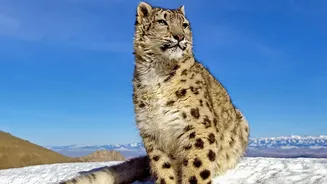
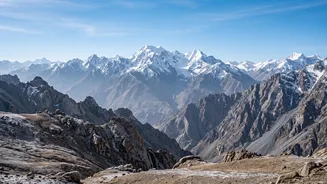
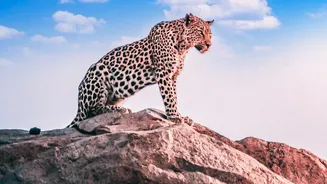
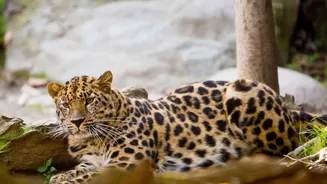
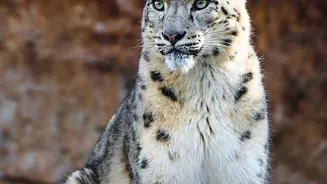
The snow leopard, known locally as 'shan', is one of the world's most mysterious big cats. Its smoky-grey coat, patterned with dark rosettes, provides the perfect camouflage against the rocky terrain of the high Himalayas, earning it the nickname 'ghost
of the mountains'. Unlike other big cats, snow leopards cannot roar. They are solitary and most active at dawn and dusk, navigating vast territories that can span hundreds of square kilometres. Listed as a vulnerable species, the snow leopard faces threats from habitat loss and human-wildlife conflict. Historically, herders who lost livestock to predation saw the cats as adversaries. However, a new model of tourism is changing that relationship, turning the leopard from a threat into a valued partner for local communities.
A New Conservation Model
For years, conservation in Ladakh was a challenge. Then, a pioneering idea took root: community-based ecotourism. The Snow Leopard Conservancy India Trust, in partnership with local villagers, developed programs like the Himalayan Homestay initiative. This model allows travellers to stay with local families, providing them with direct income and a powerful incentive to protect the leopards. A portion of the revenue often goes into a village conservation fund, used for projects like building predator-proof livestock corrals. This approach has been so successful that villages like Ulley are now known as snow leopard hotspots, where community-owned lodges and trained local trackers lead expeditions. This shift has transformed conservation, making communities the primary custodians of their environment.
What to Expect on Safari
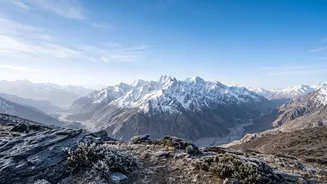
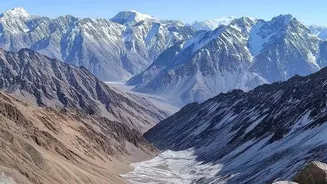
A snow leopard safari is an adventure that demands patience and resilience. The journey begins in Leh, Ladakh's capital, where spending at least two to three days to acclimatise to the high altitude (around 11,500 feet) is non-negotiable. From Leh, you'll travel by road to remote valleys like Ulley or into Hemis National Park. The search for the snow leopard is not done from a jeep. It involves expert local trackers who head out in the freezing early mornings to scan ridges for signs—tracks, scrapes, or prey movements. Visitors are then led on foot to prime viewing spots, often hundreds of metres away, using spotting scopes and binoculars to watch the animals without disturbing them. The experience is as much about the stark, silent beauty of the winter landscape as it is about the thrill of the chase.
Planning Your Expedition
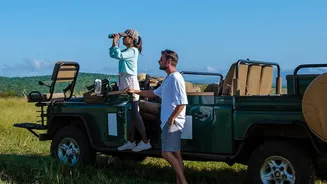
The best time for a snow leopard expedition is during the winter, from November to March. In these months, the leopards and their primary prey, like the bharal (blue sheep) and ibex, descend to lower, more accessible altitudes. Temperatures can plummet to well below -20°C, so packing thermal layers, insulated boots, a warm jacket, gloves, and a hat is essential. Booking with a reputable tour operator that employs local guides and contributes to community conservation efforts is crucial. In recent developments, the Ladakh administration has also launched a regulated high-altitude wildlife safari with specially designed vehicles and trained local guides to prevent illegal off-roading and further formalise responsible tourism. This initiative aims to strengthen the link between tourism and conservation, ensuring the protection of Ladakh's fragile ecosystem.