


A Surprising Vrat Delight
When thinking of fasting foods, the humble potato is a versatile staple. But have you ever considered turning it into a decadent dessert? Aloo Halwa, or potato halwa, is a traditional sweet popular in North India, especially during religious fasts like
those observed in Sawan and Navratri. Because it's made from potatoes and not grains, it aligns perfectly with the dietary customs of vrat or upvas. The beauty of this dish lies in its simplicity and the magical transformation of a simple vegetable into a rich, aromatic, and melt-in-the-mouth sweet. It provides a good source of carbohydrates and energy, which is much-needed during a fast.
Gathering Your Simple Ingredients
This recipe requires only a handful of ingredients that are likely already in your pantry. You will need about four to five medium-sized potatoes, which should be boiled until tender. For the sweetness and richness, you'll need around half a cup of sugar (adjustable to taste) and at least four to five tablespoons of pure ghee (clarified butter), which is crucial for the flavour and texture. To enhance the aroma, have half a teaspoon of green cardamom powder ready. Many recipes also recommend adding a quarter cup of warm milk, sometimes infused with a few strands of saffron for a beautiful colour and fragrance. For garnish and crunch, a couple of tablespoons of chopped nuts like almonds, cashews, and pistachios are perfect.
Step 1: The Perfect Potato Mash
The journey from mash to dessert begins with preparing the potatoes. After boiling the potatoes until they are soft all the way through, peel the skin off. It’s important to let them cool slightly so you can handle them, but not so much that they become difficult to mash. For a silky-smooth halwa without any lumps, grating the boiled potatoes is a highly recommended secret. If you don't have a grater, use a potato masher or your hands to ensure the potatoes are mashed very finely, almost like a smooth dough. A smooth base is essential for the final texture of the halwa.
Step 2: Roasting in Ghee
This is the most critical step for developing flavour. In a heavy-bottomed pan or kadai, heat the ghee over a medium flame. Once the ghee is hot, add the grated or mashed potatoes. Now, the key is patience. You must roast the potatoes, stirring continuously, for about 10 to 15 minutes. During this time, the potatoes will slowly absorb the ghee, their colour will change to a light golden brown, and your kitchen will fill with a wonderful, nutty aroma. Keep stirring to prevent the mixture from sticking to the bottom of the pan. The halwa is ready for the next step when it starts releasing the ghee from its sides.
Step 3: Bringing in the Sweetness
Once the potato mash is beautifully roasted and aromatic, it's time to add the sugar. Turn the heat to low-medium, add the sugar, and continue to stir. As the sugar melts, the mixture will loosen up and become a bit runny, but don't worry. Keep cooking and stirring patiently. The halwa will start to thicken again as the sugar caramelises and integrates with the potatoes. If you are using milk and saffron, this is the time to pour in the warm, saffron-infused milk. Continue to cook until the mixture thickens and begins to pull away from the sides of the pan, forming a cohesive mass.
Step 4: The Final Touches
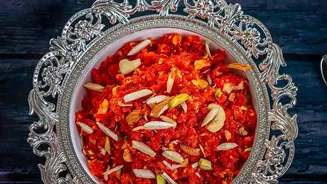
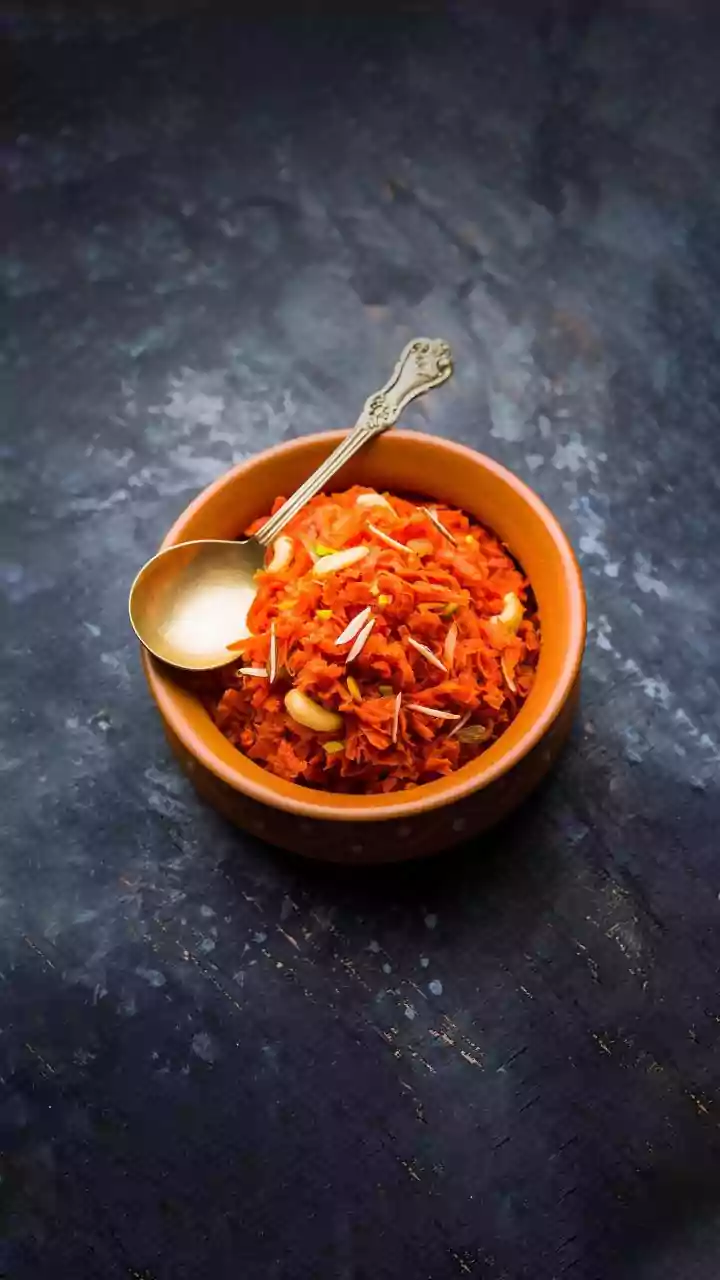
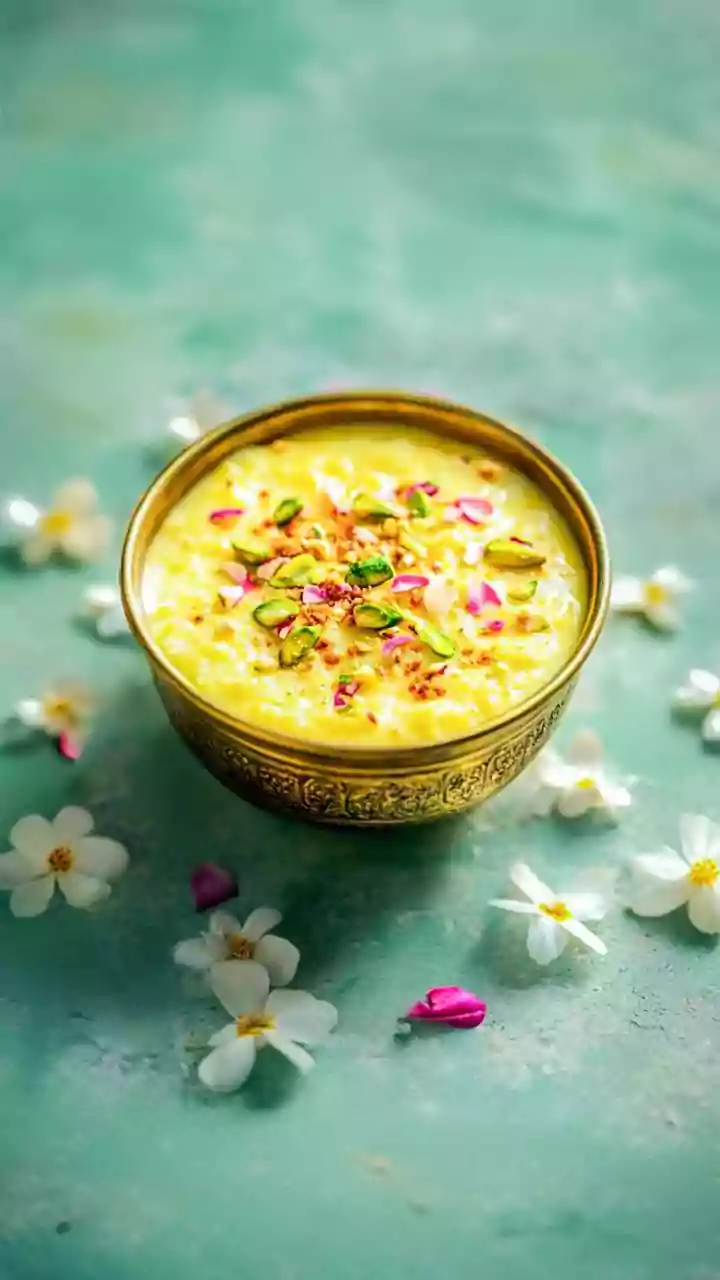
When the halwa has reached the desired consistency—thick, glossy, and pulling away from the pan—it's time for the finishing touches. Turn off the heat and stir in the cardamom powder, which adds a final layer of warm, sweet fragrance. Add your chopped and roasted nuts, mixing them in well. Some people like to reserve a few nuts for garnishing on top. Your Aloo Halwa is now ready. It is best served warm, allowing the rich flavours of ghee, cardamom, and roasted potato to shine through. Transfer it to a serving bowl and garnish with the remaining chopped nuts before presenting it as a blessed offering or a comforting family dessert.