


More Than Just an Acronym
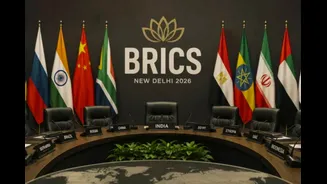
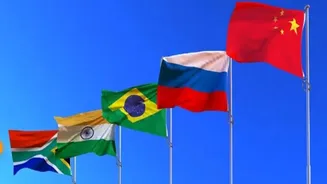
First, it’s important to understand what BRICS has become. Originally a catchy acronym coined by an economist for Brazil, Russia, India, and China, it evolved into a formal political bloc in 2009. With the addition of South Africa, and more recently countries
like Egypt, Ethiopia, Iran, Saudi Arabia, and the UAE, BRICS has transformed into a significant grouping of emerging economies. Now representing a substantial portion of the world's population and GDP, its stated goal is to amplify the voice of the 'Global South' and advocate for a more multipolar world order. This expansion gives the bloc greater representation across Africa, the Middle East, and Asia, turning it from a club of large economies into a broader platform for developing nations.
The Push for De-Dollarisation
At the heart of the BRICS economic strategy is a concerted effort to reduce dependence on the US dollar. This isn't necessarily about creating a single new currency, a prospect that remains distant due to vast economic differences among members. Instead, the focus is on a more practical goal: increasing the use of national currencies in trade between member countries. For businesses, this could mean an Indian exporter getting paid by a Brazilian buyer directly in rupees or reals, bypassing the dollar and potentially reducing transaction costs and exposure to currency fluctuations. This move is driven by a desire for greater economic sovereignty and insulation from the effects of Western financial sanctions, a concern that has become more acute for members like Russia.
Building an Alternative Financial System
To support this vision, BRICS is building its own institutions. The most prominent is the New Development Bank (NDB), established in 2015 as an alternative to the World Bank and IMF for financing infrastructure and sustainable development. The NDB prioritises lending in local currencies, aiming to have 30% of its financing in the national currencies of its member countries. Another key initiative is the development of a BRICS Pay system. This project aims to link the domestic digital payment systems of member states—such as India's UPI, China’s CIPS, and Brazil's Pix—to create a seamless cross-border payment network, offering an alternative to the Western-dominated SWIFT system.
Following the Money: Trade Realities
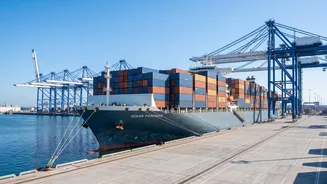
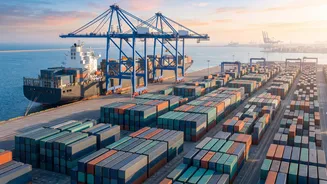
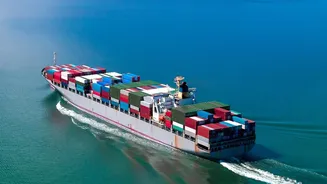
While the ambitions are grand, the numbers show both progress and potential. Intra-BRICS trade has grown impressively, expanding over thirteen-fold from around $84 billion in 2003 to $1.17 trillion in 2024, a growth rate far exceeding that of global trade overall. However, despite this rapid expansion, trade within the bloc still accounts for only about 5% of total world trade. This suggests there is enormous untapped potential, especially considering the members collectively represent a huge share of the global economy. For now, China remains the dominant trading partner within the group, a reality that shapes much of the internal economic dynamics.
India's Strategic Balancing Act
For India, the BRICS push presents both opportunities and complex challenges. New Delhi is a key driver of many practical initiatives, especially in the digital economy, promoting its own successful Digital Public Infrastructure (DPI) like UPI as a model for cooperation. India is focused on making the bloc work for practical goals like strengthening supply chains, boosting market access for its small and medium-sized enterprises (MSMEs), and fostering innovation. However, India is also carefully balancing its participation in BRICS with its strategic partnerships with Western nations. The primary goal for New Delhi is to use the platform to increase its own strategic autonomy and champion the interests of emerging economies, without letting the bloc become overtly anti-West or dominated by China.
Significant Hurdles Remain
Despite the momentum, BRICS faces serious internal challenges that temper its ability to act as a fully cohesive unit. The member countries have vastly different political systems, economic structures, and national priorities. The geopolitical rivalry between India and China, in particular, is a significant fault line running through the group. Economic disparities, with China's economy dwarfing the others, create a power imbalance that can complicate decision-making. Achieving consensus on major initiatives is often difficult, leading critics to argue that the bloc's unity is often more rhetorical than real. These internal divisions remain the biggest obstacle to turning its collective economic weight into unified global influence.