




A Revolution in Reusability
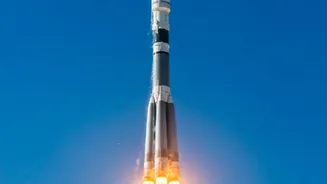
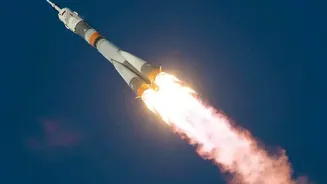
World Space Week, held annually from October 4 to 10, marks two key dates in space history: the launch of Sputnik 1 in 1957 and the signing of the Outer Space Treaty in 1967. This year’s theme, 'Rocket Revolution', zeroes in on the most significant change
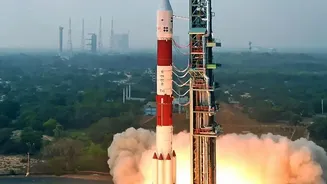
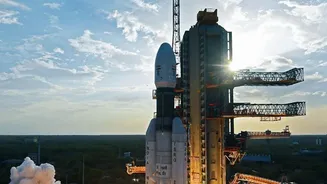
in space exploration in decades. For most of the space age, getting to orbit was the exclusive and incredibly expensive domain of government agencies using rockets designed to be used only once. The revolution is about changing that model. Spearheaded by global pioneers, the new era is defined by reusable rockets that drastically cut launch costs, smaller and more agile launch vehicles, and a market-driven approach to space access. This shift has lowered the barrier to entry, allowing not just nations but also companies, universities, and startups to imagine their place among the stars. The theme recognises that this new accessibility is stimulating the entire space ecosystem, creating new applications and inspiring a new generation.
India's Private Space Sector Takes Flight
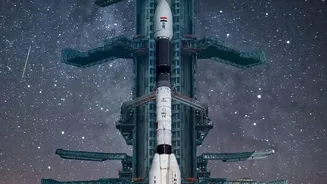
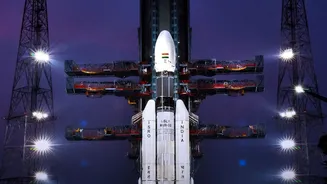
While this revolution has global players, its impact in India has been particularly profound. For decades, the Indian Space Research Organisation (ISRO) was the sole custodian of the nation's celebrated space programme. But in 2020, the government initiated a landmark policy shift, opening the doors to private enterprise. This led to the creation of the Indian National Space Promotion and Authorisation Centre (IN-SPACe), a regulatory body designed to nurture and facilitate private participation. The results have been explosive. The number of space startups in India has surged from just one in 2014 to over 400 today. These companies are no longer just component suppliers for ISRO; they are developing their own rockets, building satellites, and offering sophisticated space-based services. This has set India on a course to dramatically increase its share of the global space economy, with projections targeting a jump from the current $8 billion to nearly $44 billion by 2030.
Meet the New Trailblazers
The tangible success of this policy shift was powerfully demonstrated in July 2026. Hyderabad-based startup Skyroot Aerospace, founded by former ISRO scientists, successfully launched its Vikram-1 rocket into orbit, making it India’s first privately developed orbital rocket. The historic launch made India only the third country, after the US and China, with private orbital launch capability. But Skyroot is not alone. The Indian space startup scene is bustling with innovators. Pixxel is deploying a constellation of hyperspectral satellites for high-resolution Earth observation. Agnikul Cosmos is developing its own launch vehicles, including reusable stages. Digantara is focused on space situational awareness, essentially tracking traffic and debris in orbit, while GalaxEye Space recently secured a US patent for its unique satellite imaging technology. These companies, backed by significant venture capital, are creating a diverse and competitive ecosystem.
More Than Just Launching Rockets
The 'Rocket Revolution' is about more than just the hardware of launch vehicles. The ultimate goal, and the largest economic opportunity, lies in the downstream applications that cheaper space access enables. Indian private space companies are already making headway here. The data and services they provide are finding applications in critical sectors of the economy. For instance, satellite imagery can help in precision agriculture, monitoring crop health, and optimising water usage. It can also be used for urban planning, tracking deforestation, and managing natural resources. In times of crisis, satellite communications and observation are invaluable for disaster management and response. By building capabilities across launch, satellite manufacturing, and data applications, India is developing what industry leaders call a 'full-stack space economy'. This connects the high-frontier world of space technology directly to improving life on Earth.