


The Calorie and Carb Count
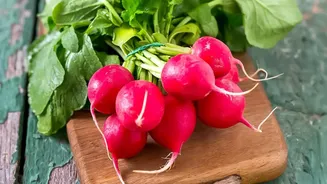
If you are watching your calorie or carbohydrate intake, the radish is your clear winner. A 100-gram serving of raw radish contains only about 16 calories and 3.4 grams of carbohydrates. In contrast, the same amount of raw beetroot has around 43 calories and 9.6
grams of carbs. The lower sugar content in radishes, at 1.9 grams compared to beetroot's 6.8 grams, also makes them a great choice for those on a low-sugar diet. Beetroot does, however, contain slightly more dietary fibre, which is important for digestive health and feeling full.
A Tale of Two Vitamins: C vs. Folate
When it comes to vitamins, each vegetable shines in a different area. Radishes are an excellent source of Vitamin C, an antioxidant that supports the immune system and skin health. A 100-gram serving of radish provides a significant portion of your daily Vitamin C needs, far more than what you would find in beetroot. On the other hand, beetroot is a folate champion. Folate, or Vitamin B9, is crucial for normal tissue growth, cell function, and is particularly important for pregnant women. Beetroot contains substantially more folate than radishes, making it a key vegetable for cell health and development.
The Mineral Match-Up
In the mineral department, beetroot generally has the upper hand. It is significantly richer in iron, potassium, and manganese. Potassium is vital for managing blood pressure, while iron is essential for transporting oxygen in the blood. Radishes do hold their own in one key area: calcium. They contain more calcium than beetroots, which is important for bone health. So, if you are looking to boost your mineral intake overall, beetroot is a strong choice, but for a calcium bump, radishes contribute nicely.
Beetroot’s Secret Weapon: Athletic Performance
Beetroot has a unique benefit that has caught the attention of athletes: its high content of natural nitrates. When consumed, the body converts these nitrates into nitric oxide. This molecule helps relax and widen blood vessels, which can improve blood flow, lower blood pressure, and enhance oxygen delivery to muscles. Studies have shown that beetroot juice can improve endurance and tolerance to high-intensity exercise, making it a favourite among runners and cyclists.
Radish’s Edge: Detox and Digestion
Radishes, as part of the cruciferous vegetable family, contain unique compounds called isothiocyanates. These compounds are believed to help the body detoxify and may have anti-cancer properties. Radishes are also known to be beneficial for the liver and stomach, aiding in digestion. The fibre in both the root and the leaves helps keep the digestive system regular and can prevent constipation. Their sharp, peppery flavour comes from mustard oils, which are thought to have antibacterial properties.
In the Kitchen: From Salads to Sabzis
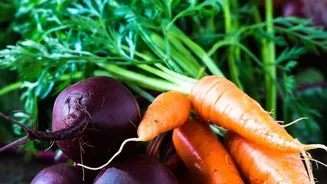
Both vegetables are incredibly versatile in Indian cooking. Radish (mooli) is famous in dishes like Mooli Paratha, salads, and pickles. Its crisp texture and peppery taste add a refreshing crunch. Beetroot, with its earthy sweetness, is a star in vibrant salads, juices, and sabzis like a Beetroot Poriyal. It can be grated raw into a raita or cooked into a hearty dish. You can even combine them in a Beetroot Gajar Mooli Salad for a colourful and nutritious side.