


The Great Grain Debate: Local vs. Global
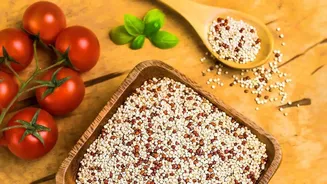
The conversation around healthy eating in India has evolved. While our plates have always featured nutritious grains, the last decade has seen an influx of international 'superfoods'. Quinoa, a seed from South America, stormed onto the health scene, celebrated
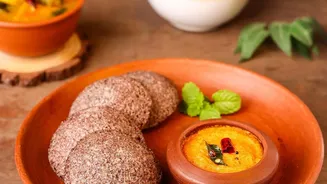
for being a complete protein. It quickly found a place in salads and upmarket cafe menus. Meanwhile, Ragi, also known as finger millet or nachni, has been a staple in parts of India for centuries, particularly in states like Karnataka. It's a humble, resilient crop deeply woven into our culinary traditions, from 'ragi mudde' to porridge. This sets up a classic dilemma: should we embrace the trendy import or rediscover the power of our native grains?
Nutritional Showdown: A Closer Look
When it comes to nutrition, neither grain holds back. Quinoa's claim to fame is its protein content. At about 14 grams per 100g, it boasts all nine essential amino acids, making it a 'complete protein'—a significant advantage for vegetarian and vegan diets. It is also a rich source of nutrients like folate, iron, and magnesium.Ragi, however, has its own superpower: calcium. With approximately 344mg of calcium per 100g, it contains several times more than wheat, rice, or even quinoa. This makes it exceptional for bone health. While its protein content is lower than quinoa's at around 7g per 100g, ragi is packed with dietary fibre, which aids digestion and promotes a feeling of fullness. Ultimately, quinoa wins on protein, but ragi is the undisputed champion of calcium.
Taste and Texture: The Sensory Experience
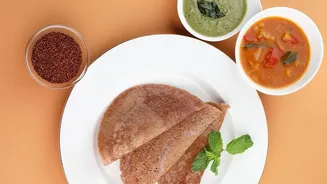
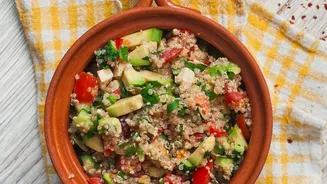
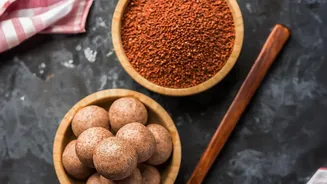
This is where the two grains diverge significantly. Quinoa has a mild, nutty, and slightly earthy flavour. When cooked, the seeds become fluffy yet retain a slight, satisfying chewiness and a gentle pop. Its subtle taste allows it to absorb other flavours well, making it a versatile base for salads and bowls.Ragi has a more distinct, earthy taste that can be described as nutty and sometimes has a faint bitterness that mellows with roasting. Its texture is finer, especially when used as a flour. It can become dense and sticky when cooked into a porridge or the traditional 'mudde', a texture that is a comforting staple for many but can be an acquired taste for others. As a flour mixed into rotis or dosas, it lends a deep, reddish-brown colour and a soft texture.
In the Kitchen: Culinary Versatility
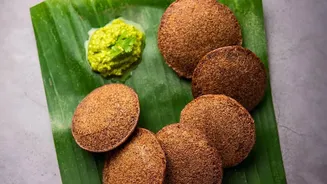
Both grains are incredibly versatile, but they shine in different ways in the Indian kitchen. Ragi is deeply integrated into traditional cuisine. It is used to make everything from ragi rotti and dosa to porridge (ragi malt), ladoos, and idlis. Its flour is often mixed with wheat flour to make everyday chapatis more nutritious.Quinoa, being a relative newcomer, is more commonly adapted into modern Indian dishes. It works beautifully as a substitute for rice in pulao, biryani, or khichdi. It's also a popular addition to salads, upma, and even as a filling for dosas. While you can make a 'quinoa dosa', it's an adaptation, whereas 'ragi dosa' is a classic preparation. Ragi feels like a native speaker in the language of Indian spices; quinoa is a fluent, but more recent, learner.
The Price Factor: Wallet Wellness
For most households, this is a deciding factor. There is no contest here: Ragi is significantly more affordable than quinoa. Being locally grown and widely available, ragi costs a fraction of the price of quinoa, which is mostly imported. The price of quinoa reflects import duties, shipping, and premium 'superfood' marketing. For families looking to incorporate healthier grains into their daily diet, the cost of ragi makes it a much more sustainable and practical choice. The significant price difference can be a major barrier for many to adopting quinoa as a regular part of their diet.