




A Sudden Jolt, A Painful Lesson
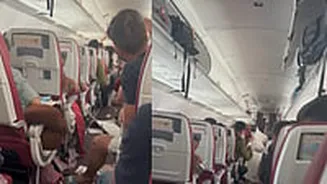
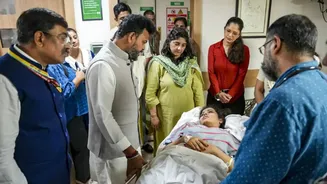
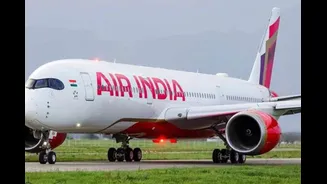
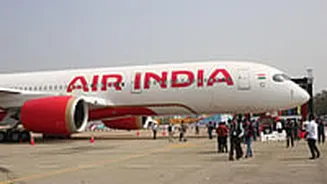
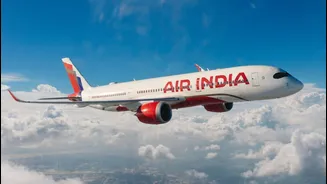
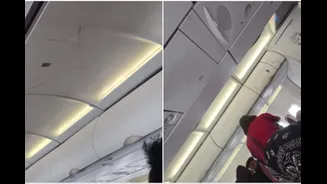
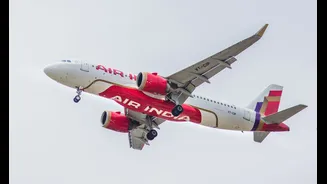
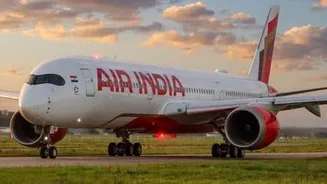
On Tuesday, an Air India flight from Phuket to New Delhi experienced a sudden and severe loss of altitude during its cruise phase. The incident, which happened over the course of a few terrifying moments, resulted in injuries to 13 passengers and four
crew members. According to reports, those injured were not wearing their seatbelts at the time. One passenger described watching his unbuckled father hit the cabin ceiling before falling to the floor. Another traveller’s two-year-old was reportedly thrown into the aisle. While the aircraft landed safely and no one was critically hurt, the event underscores a simple, yet often ignored, truth of air travel: unexpected turbulence is the single biggest cause of non-fatal injuries, and a seatbelt is the best defence.
The Invisible Danger: Clear-Air Turbulence
Many travellers associate turbulence with stormy weather—flashing lightning and dark, churning clouds. While storm systems are a major cause, another type of turbulence is far more insidious: Clear-Air Turbulence (CAT). As the name suggests, CAT occurs in cloudless, calm-looking skies and is invisible to the naked eye and conventional weather radar. It is caused by clashes between air masses moving at different speeds, often within powerful jet streams that commercial aircraft use to fly more efficiently. Pilots often have no warning before encountering it. This is why you can be cruising smoothly one moment and in a violent drop the next. Worryingly, studies suggest climate change is increasing the frequency of CAT. Research has shown that severe clear-air turbulence has increased significantly over the last few decades on busy flight paths.
What Pilots and Crew Want You to Know
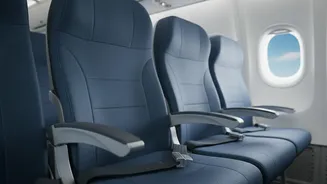
Talk to any pilot or flight attendant, and they will tell you the same thing: when you are in your seat, your seatbelt should be fastened. It’s a simple rule they live by themselves. Pilots are required to be buckled in whenever they are seated. Flight attendants, who have the highest rate of turbulence-related injuries due to the nature of their job, will always advise passengers to stay buckled. When the captain makes an announcement for the cabin crew to take their seats, it’s a sign that potentially significant turbulence is expected. Their advice is not about control; it's about physics. During severe turbulence, an unbuckled person essentially becomes a projectile within the cabin, posing a risk not only to themselves but to fellow passengers as well.
A Simple Habit for Total Safety
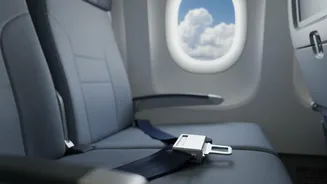
The Federal Aviation Administration (FAA) and other global aviation bodies are unequivocal: keeping your seatbelt buckled is the most effective way to prevent injury from turbulence. The seatbelt sign is not a suggestion; it's a legal requirement to comply when it is illuminated. But even when the sign is off, which simply indicates it is safe to move about the cabin if necessary, the expert consensus is to keep the belt on while seated. You don’t need to have it uncomfortably tight. Simply keeping it loosely fastened over your lap provides a crucial layer of protection against the unexpected. It’s a small habit that can make the difference between a memorable story and a trip to the hospital.