




A Purple Phenomenon
For roughly six weeks, the city is transformed by the vibrant lilac hues of the Jacaranda mimosifolia. Though often mistaken for a native Australian plant, the jacaranda is originally from South America, primarily Brazil. The first specimens arrived in Australia in the 19th
century, with some of Sydney's oldest trees, located in the Royal Botanic Garden, dating back to the 1850s. Thanks to a climate similar to their native habitat and various beautification programs in the early 20th century, these trees have flourished, becoming an iconic and beloved symbol of springtime in Sydney. The bloom travels down the coast, starting in Queensland and finishing in Victoria, turning streets and parks into a magical landscape and carpeting the ground with fallen petals.
The Instagram-Famous Tunnel: Kirribilli
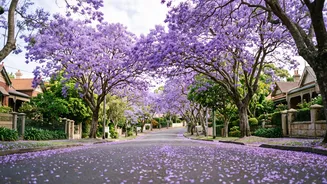
Arguably the most famous and photographed jacaranda spot in all of Sydney is McDougall Street in the lower North Shore suburb of Kirribilli. Here, the mature trees on both sides of the road form a dense, purple canopy, creating a breathtaking tunnel effect. This fairytale-like archway draws enormous crowds, especially on weekends, with visitors eager to capture the perfect photo. The trees, a gift from the town of Grafton, were planted in the 1930s. Due to its popularity, the local council often implements road closures on weekends during peak season to ensure pedestrian safety. For a quieter experience with better light for photos, it is highly recommended to visit early on a weekday morning.
Historic Blooms: The City and East
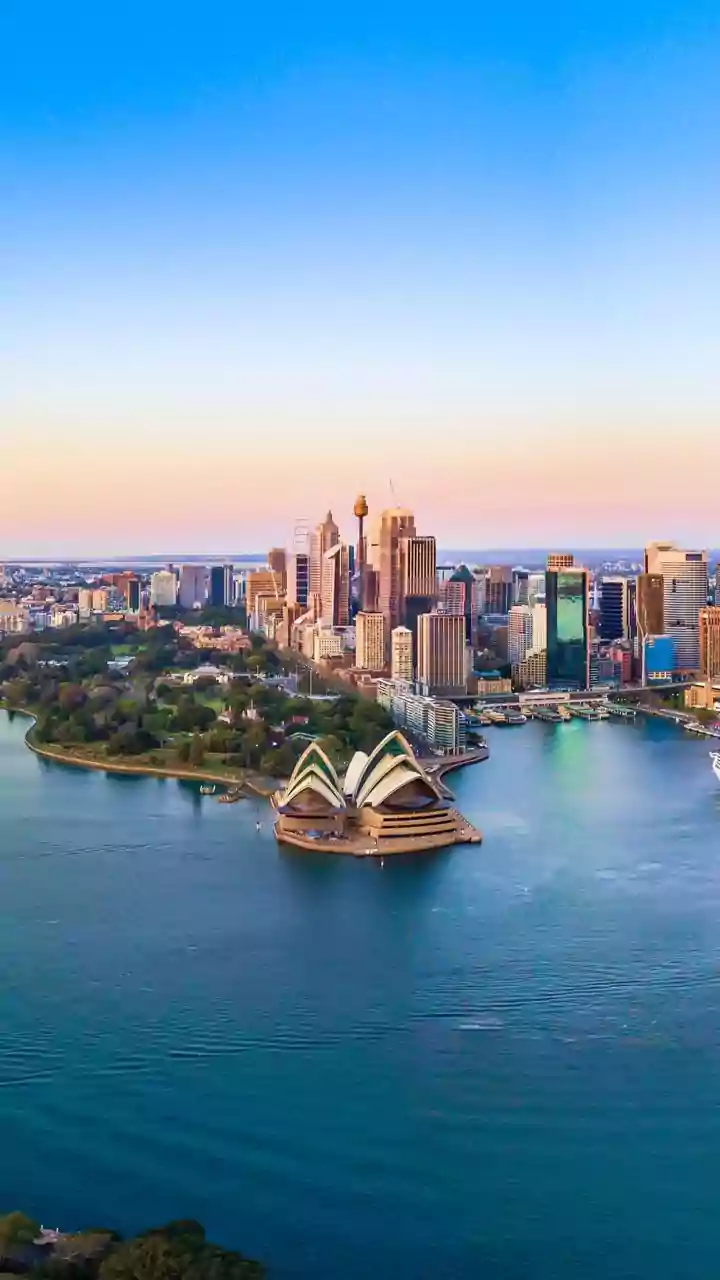
You don’t have to cross the bridge to find stunning displays. Start a walking tour at the Royal Botanic Garden, where you can see some of the oldest jacarandas in the country against the backdrop of the harbour. From there, wander through Circular Quay and The Rocks, where historic cobblestone streets are framed by purple blossoms, particularly in First Fleet Park. In the Eastern Suburbs, Paddington is a must-visit. The stretch along Oxford Street, in front of the sandstone walls of Victoria Barracks, becomes a carpet of fallen petals. The nearby streets of Woollahra and Double Bay also offer beautiful, quieter spots for jacaranda viewing.
Campus Colour: The Inner West
The Inner West puts on its own spectacular show. The University of Sydney's historic quadrangle was once home to a legendary jacaranda tree, so intertwined with student life that folklore said if you hadn't started studying by its first bloom, you were destined to fail your exams. That original tree fell in 2016, but a clone was planted in its place, continuing the tradition. The rest of the campus also features many jacarandas set against beautiful old architecture. The nearby suburbs of Glebe, Camperdown, and Newtown are also worth exploring, with their terrace-lined streets offering delightful pops of purple.
Suburban Splendour: Parramatta and Hunters Hill
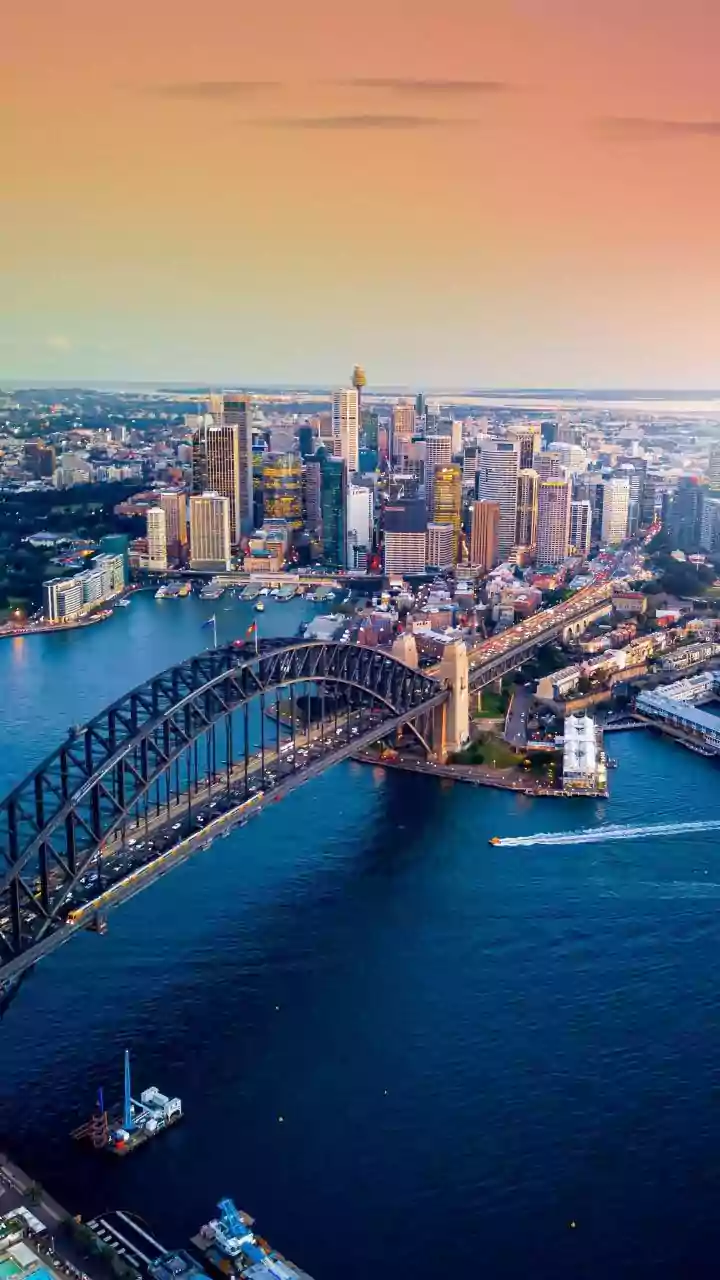
For those willing to venture further, the rewards are plentiful. Parramatta Park becomes a sea of purple during the season, offering a serene escape with beautiful canopies for a picnic or a stroll. The historic Elizabeth Farm and Prince Alfred Square are other key spots in the area. For a lesser-known gem, head to the leafy suburb of Hunters Hill. A self-guided tour around the Town Hall and down Alexandra Street reveals stunning jacaranda-lined vistas, often with fewer crowds than the more central locations. The neighbouring suburb of Lavender Bay, true to its name, also provides gorgeous purple scenes with views back towards the Harbour Bridge.
Tips for Your Visit
To make the most of jacaranda season, timing is everything. The peak bloom typically occurs from late October to mid-November, though this can shift slightly depending on the weather. Early mornings provide the best light for photography and help you avoid the largest crowds, especially at popular spots like Kirribilli. While you're capturing the beauty, remember that many of the best displays are in residential areas. Be mindful of traffic, respect private property by not blocking driveways, and leave no trace. Ultimately, the season is a fleeting gift, a reminder of nature's clockwork beauty right in the heart of the city.