


Beyond the Superfood Hype: Why Variety Wins
In the world of wellness, it’s easy to get attached to a single 'superfood'. We hear about the benefits of one particular ingredient and add it to everything. While that’s a good start, relying on one food, no matter how healthy, can lead to a narrow
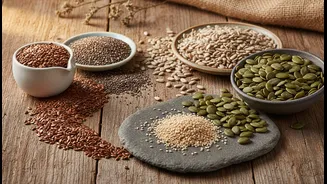
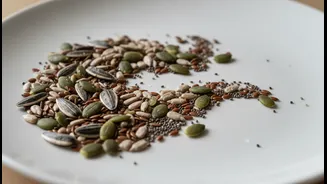
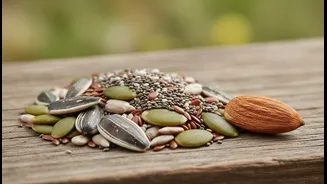
intake of nutrients. Different foods offer different vitamins, minerals, and fatty acids. By rotating a variety of seeds, you create a more resilient and balanced diet. The concept is simple: small, consistent changes lead to significant health benefits over time. Instead of letting one seed dominate, embracing a mix ensures you’re not missing out on the unique advantages each one provides. This approach provides a wider range of antioxidants, fibres, and healthy fats that work together to support your body's complex needs.
Flax Seeds (Alsi): The Fibre Powerhouse
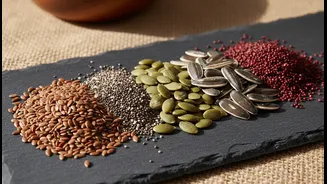
Flax seeds, or 'alsi', are nutritional giants. They are exceptionally rich in alpha-linolenic acid (ALA), a type of plant-based omega-3 fatty acid that is essential for heart health. They are also a fantastic source of dietary fibre, which aids digestion and helps maintain stable blood sugar levels. Furthermore, flax seeds contain lignans, which are compounds with antioxidant properties. To get the most benefit, it’s best to consume them ground, as whole seeds can pass through your system undigested. It's easy to incorporate ground flax into your daily routine; try mixing a tablespoon into the atta for your rotis, stirring it into a bowl of dahi, or blending it into a smoothie.
Chia Seeds: Tiny Seeds, Mighty Nutrients
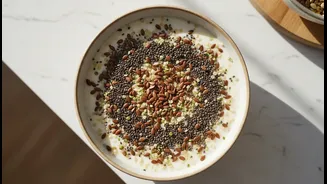
Don’t be fooled by their small size; chia seeds are packed with nutrients. They are an excellent source of fibre, protein, and omega-3 fatty acids. What makes them unique is their ability to absorb water and form a gel, which can help you feel full and stay hydrated. Chia seeds are also high in important minerals like calcium, phosphorus, and manganese, which are vital for bone health. Their neutral flavour makes them incredibly versatile. You can soak them overnight in milk or water to create a pudding-like breakfast, sprinkle them over salads and oatmeal, or use them as a thickener in gravies and raita.
Pumpkin Seeds (Kaddu Ke Beej): A Mineral Boost
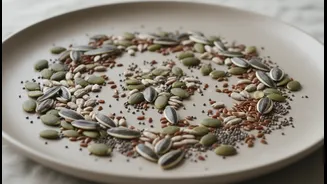
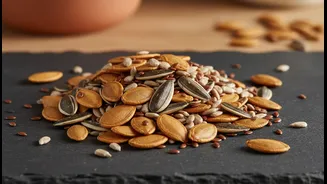
Often discarded during vegetable prep, pumpkin seeds are a treasure trove of valuable minerals. They are particularly rich in magnesium, which is involved in hundreds of bodily functions, including nerve function and blood pressure regulation. They also provide a healthy dose of zinc, which is crucial for immune support, and plant-based iron. Roasted pumpkin seeds make for a delicious and crunchy snack on their own. For meals, you can toss them into upma or poha for extra texture, blend them into chutneys, or sprinkle them over sabzis and dals just before serving.
Sunflower Seeds (Surajmukhi Ke Beej): Rich in Vitamin E
Sunflower seeds are one of the best food sources of vitamin E, a powerful antioxidant that helps protect cells from damage. They are also a good source of healthy fats, protein, and selenium, another important antioxidant. These seeds have a mild, nutty flavour that pairs well with many dishes. You can add them to salads for a satisfying crunch, blend them into a creamy base for dressings, or mix them into homemade ladoos and energy bars. A handful of roasted sunflower seeds can also be a simple and filling afternoon snack.
Sesame Seeds (Til): For Strong Bones and More
A staple in Indian kitchens for centuries, sesame seeds, or 'til', are celebrated in everything from festival sweets to everyday meals. They are an excellent source of calcium, making them great for bone health, especially for those who don't consume dairy. They also provide iron, magnesium, and zinc. Beyond their role in til ladoos and gajak, toasted sesame seeds add a wonderful, nutty warmth to many dishes. Sprinkle them over lemon rice, use them in tahini for dips, or add them to the tadka for dals and sabzis to enhance flavour and nutrition.