







New Insights on a Climate Powerhouse
A new study from the Indian Institute of Tropical Meteorology (IITM) in Pune has cast a fresh light on the future of the Western Ghats. The research, published in the 'International Journal of Climatology', projects that this vast mountain range could
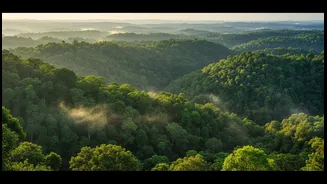
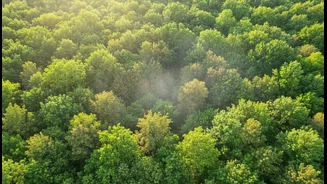
become one of India's most significant natural carbon sinks by the year 2100. Using advanced climate models, scientists analyzed Gross Primary Productivity (GPP), which measures how much carbon dioxide plants absorb during photosynthesis. The findings indicate that India's overall vegetation productivity has been rising and will likely continue to do so, with the Western Ghats showing the most substantial potential for absorbing atmospheric carbon. This increased absorption is driven by higher carbon dioxide levels and projected increases in rainfall. However, the scientists caution against viewing this as a simple positive, as rising temperatures and extreme weather events continue to pose a severe threat to the ecosystem's delicate balance and biodiversity.
The Engine of the Monsoon
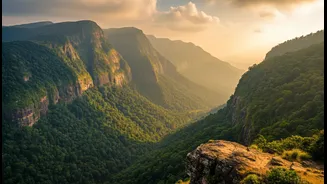
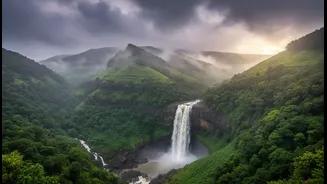
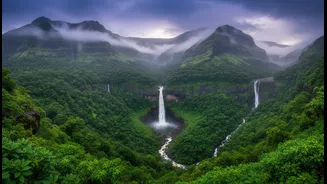
The Western Ghats have long been recognised for their critical role in shaping India's climate, particularly the southwest monsoon that is the lifeblood for much of the country. Acting as a formidable barrier, the mountain range intercepts moisture-laden winds blowing in from the Arabian Sea. As this air is forced to rise, it cools, condenses, and releases torrential rain on the windward western slopes. This orographic rainfall process not only creates the lush, tropical forests the Ghats are famous for but also defines the seasonal climate. After crossing the mountains, the now-dry air descends onto the Deccan Plateau, creating a much drier "rain shadow" region. In this way, the Ghats are the principal watershed for peninsular India, feeding perennial rivers like the Godavari, Krishna, and Kaveri, which support agriculture and provide water for millions of people.
A Cradle of Global Biodiversity
Older than the Himalayas, the Western Ghats are a UNESCO World Heritage Site and one of the world's eight "hottest hotspots" of biological diversity. This designation is reserved for regions that have an exceptionally high concentration of unique species but are also facing extreme threats. The range is home to over 7,400 species of flowering plants, 139 mammal species, 508 bird species, and 179 amphibian species, many of which are endemic, meaning they are found nowhere else on Earth. At least 325 globally threatened species find refuge here. Iconic and endangered animals like the lion-tailed macaque, Nilgiri tahr, and Asian elephant rely on these forests for their survival. This incredible biodiversity, concentrated in a relatively small area, makes the Western Ghats a living library of evolution and a global priority for conservation.
An Asset Under Severe Threat
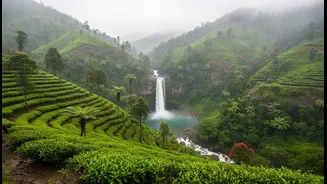
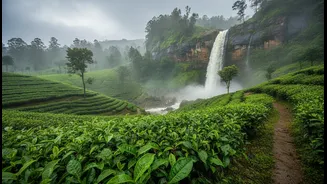
Despite their immense value, the Western Ghats face a barrage of threats that endanger their ecological integrity. Human population pressure is immense, leading to deforestation for agriculture, timber, and the expansion of cash crop plantations like coffee and tea. Unplanned infrastructure development, including roads and dams, fragments vital forest corridors, isolating wildlife populations and disrupting migration routes for animals like elephants. Mining and quarrying scar the landscape and pollute rivers, while the introduction of invasive species disrupts native ecosystems. Compounding these pressures is climate change itself. While average rainfall may be declining in some areas, the frequency of extreme weather events, such as intense downpours and landslides, is increasing, further destabilizing the fragile slopes.
From Recognition to Strategic Action
Highlighting the Western Ghats as a "strategic asset" reframes its conservation from a purely environmental issue to a matter of national security and economic stability. The ecosystem services provided by the Ghats—including water regulation, carbon storage, and climate moderation—are irreplaceable. Protecting this asset requires a collaborative approach involving government agencies, local communities, and conservation organisations. Efforts are underway, focusing on ecological restoration, creating wildlife-friendly infrastructure, and promoting sustainable livelihoods that reduce pressure on the forests. The new study's findings on the Ghats' role as a carbon sink add another layer of urgency, reinforcing the need for robust policies that protect these forests not just for their beauty and biodiversity, but for their critical function in buffering India against the escalating impacts of a changing climate.